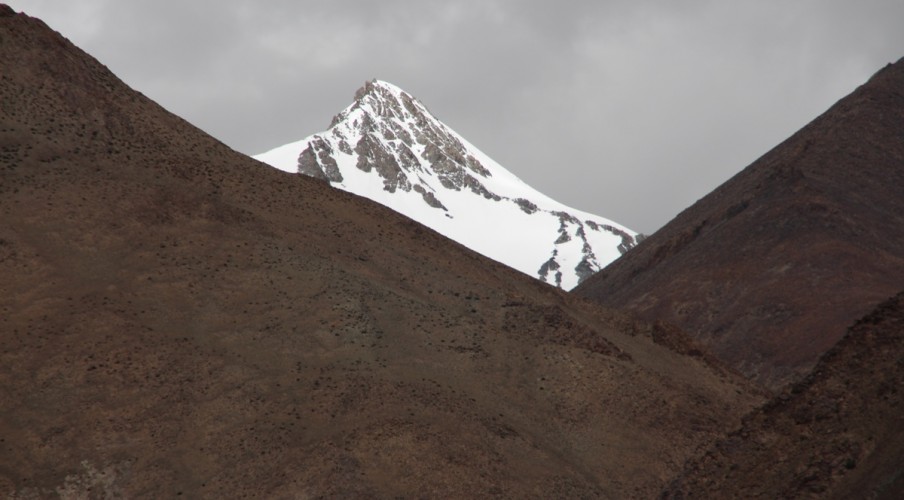
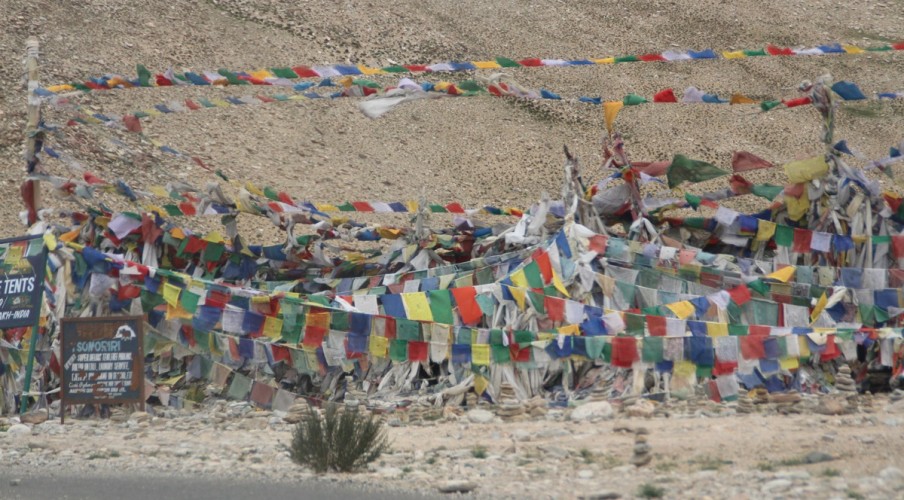
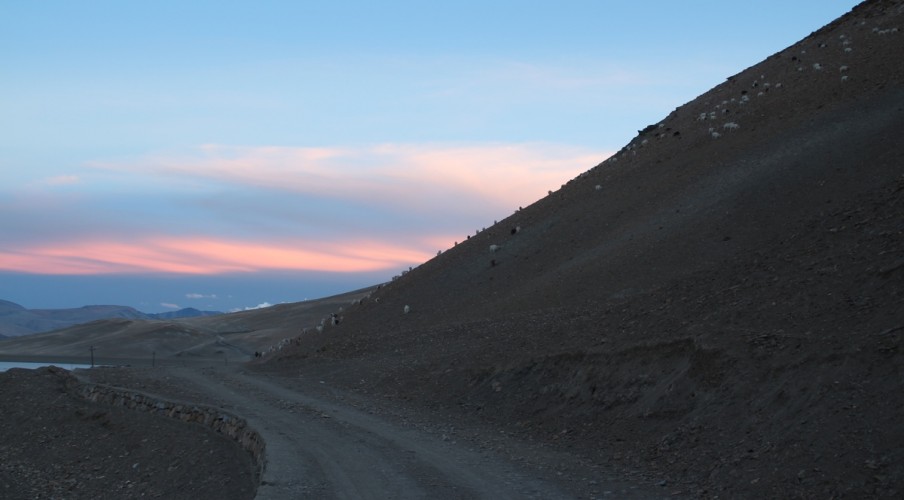
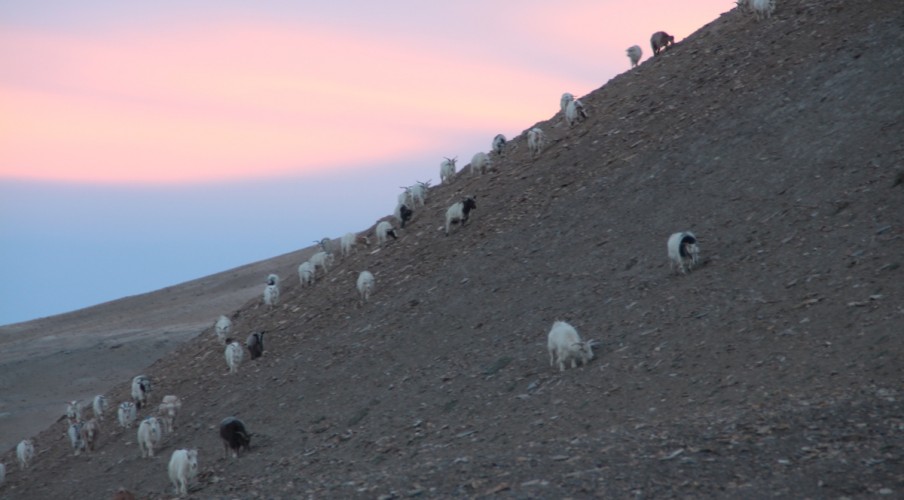
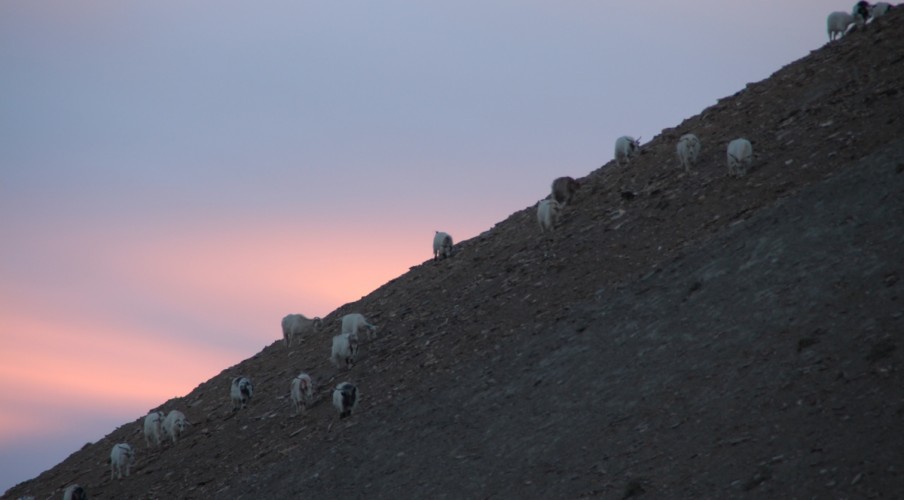
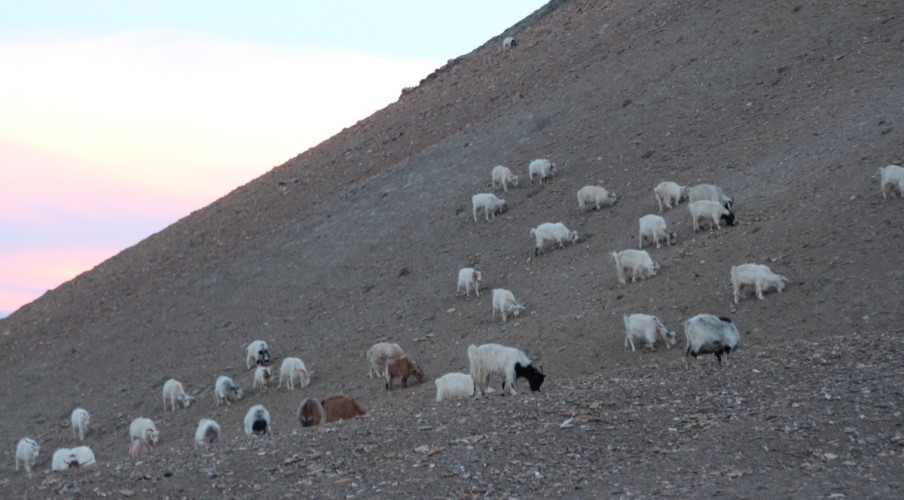
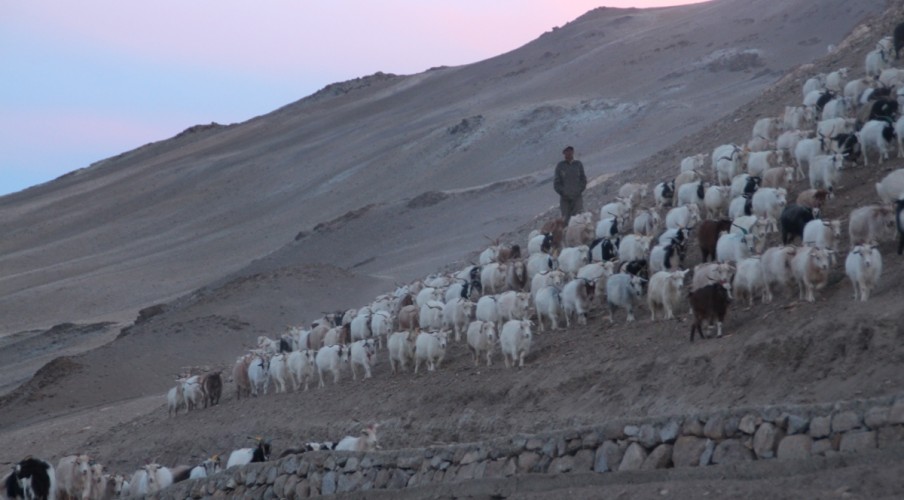
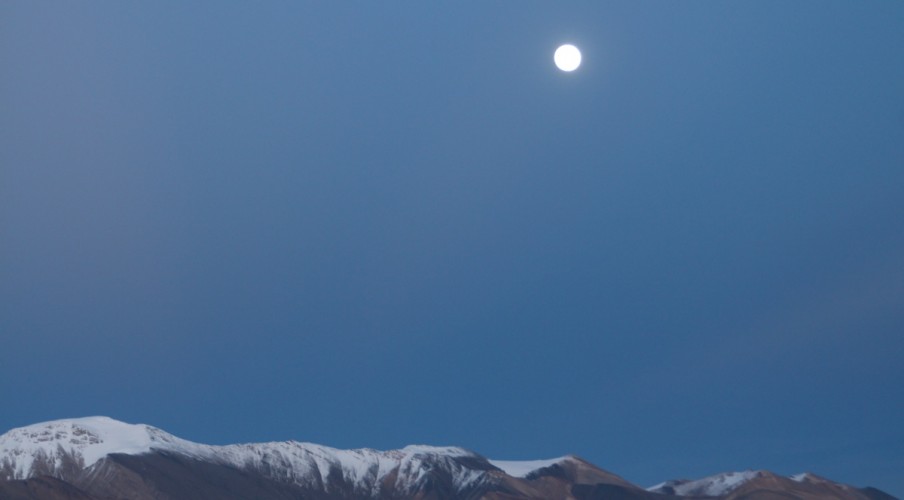
Well, we are back in Shey after three days at Tso Moriri, a remote high altitude lake set amongst 6000M snow capped peaks. There were no real time reports from Moriri as there were no phone or internet services for us, and only brief periods of power in the evening.
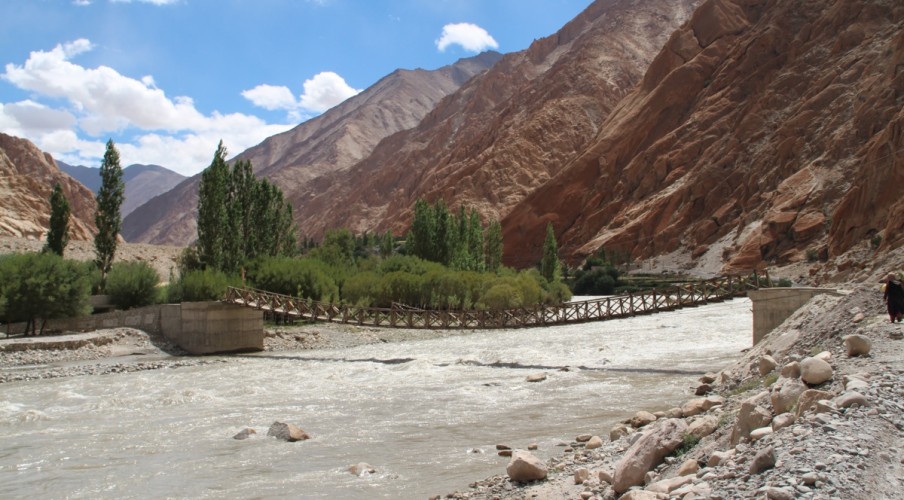
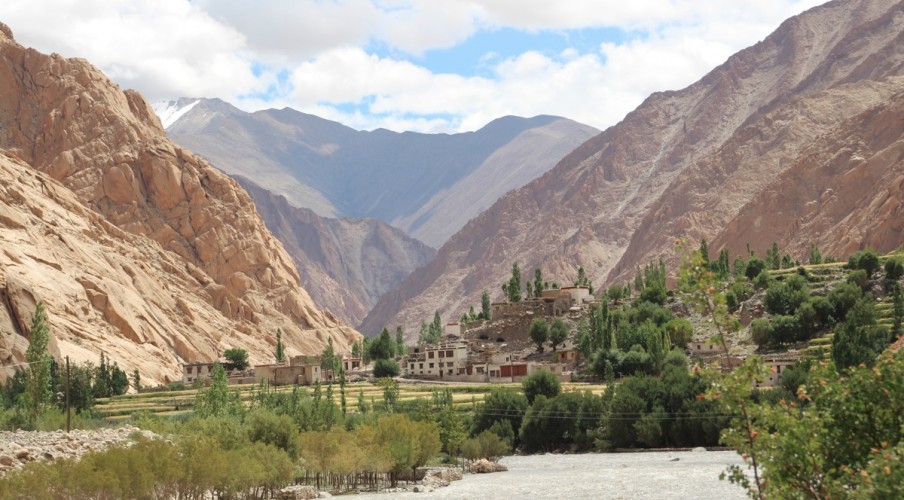
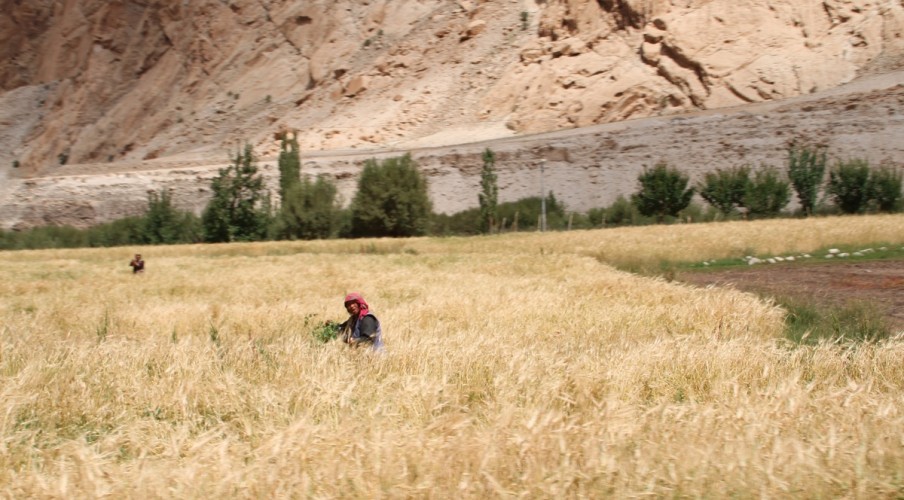
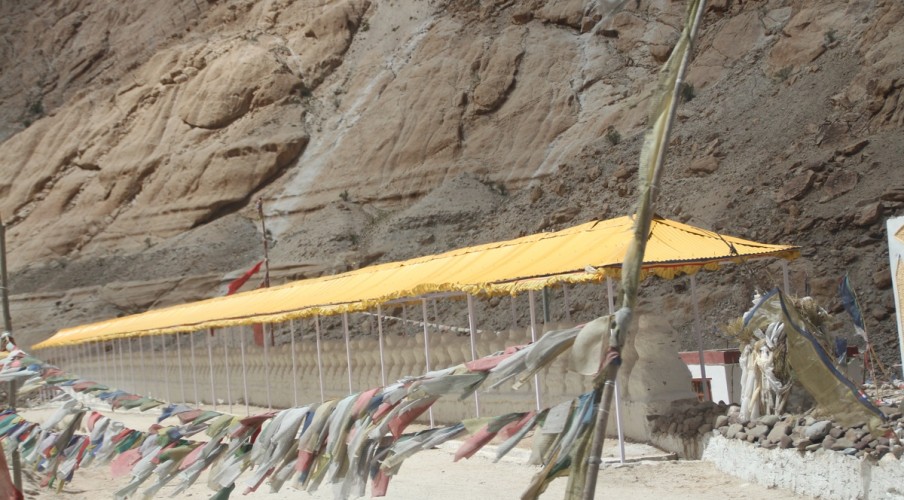
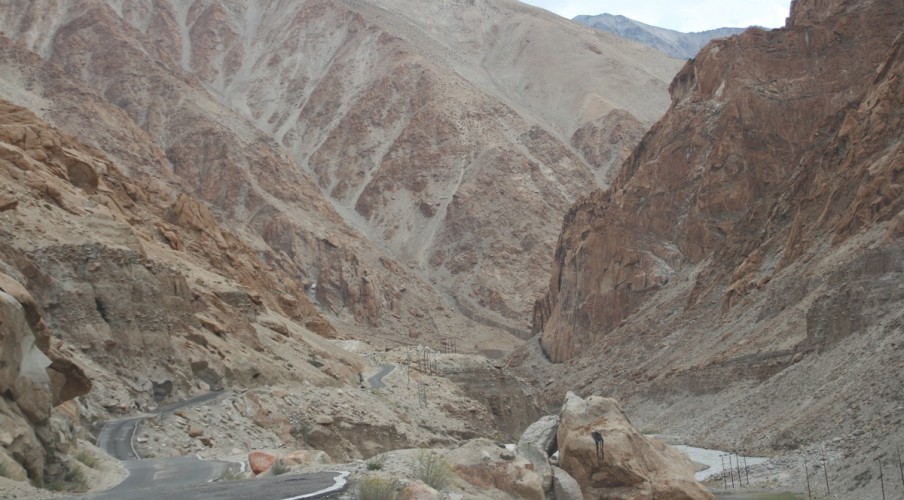
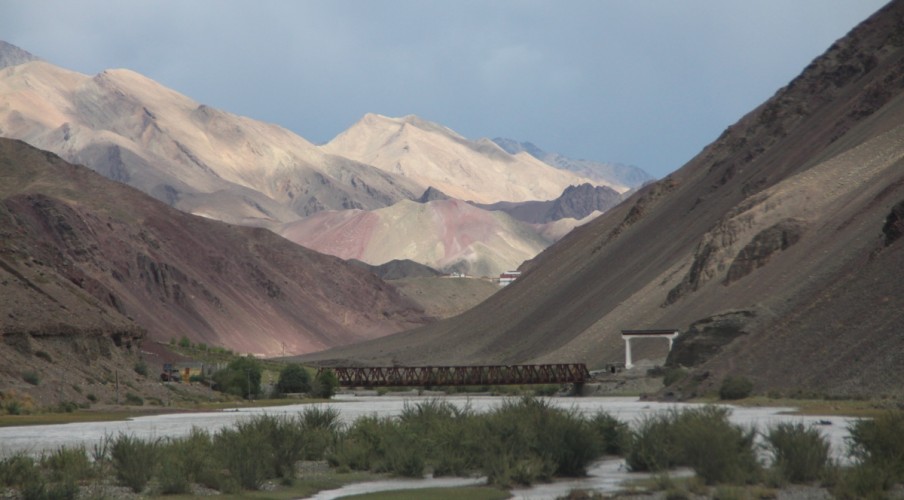
Moriri is a six hour drive from our home and we think it might take the bill as the most epic ‘drive’ yet. The road follows the Indus higher and higher until eventually it delivers you to the lake at 4600M. It travels through deep ravines cut into the rock, and passes small villages, patches of green and gold against a rocky geological riot as two tectonic plates collide: on the right side of the valley, the sedimentary rock of the India Plate, up against ‘our’ side, the torched Igneous of Asia.
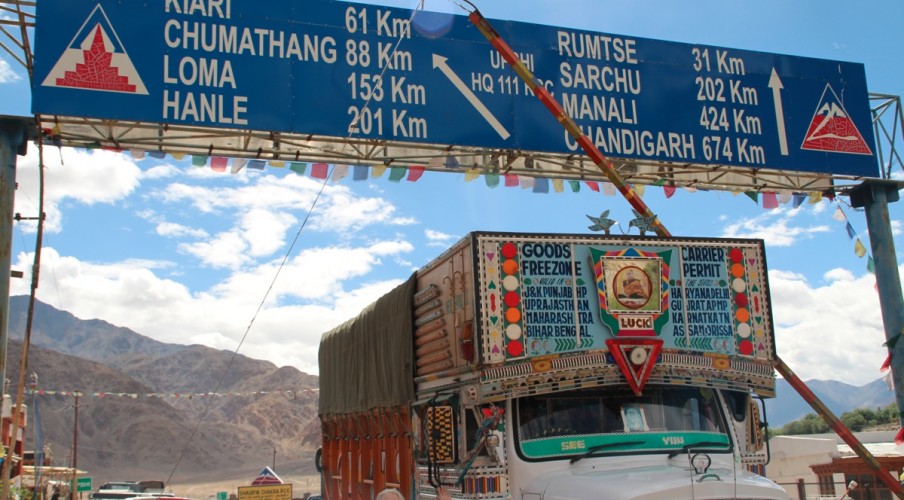
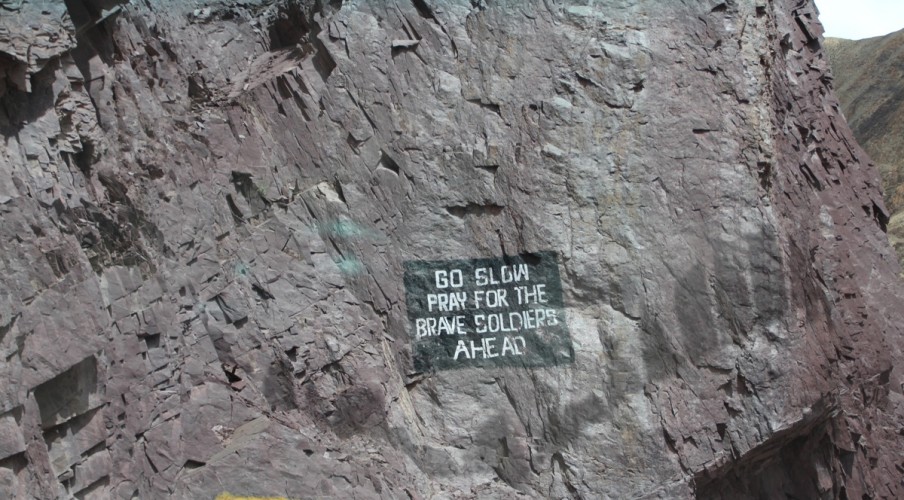
All through the rocky chasms on the way to Moriri are garrisons of Tigers and Brave Lions; the army in India is ubiquitous. The families live in ugly compounds or colonies, with their own schools and shops and homes, built on the dry desert rubble that sits above the river. It is hard to imagine it is a welcome posting for these families, but there is plenty of evidence they are very proud of their work. Each new bridge, or road section cut from the cliff is marked by signage recognising the brave soldiers responsible for it, and not infrequently, there are marked graves. Making roads here is a dangerous business.
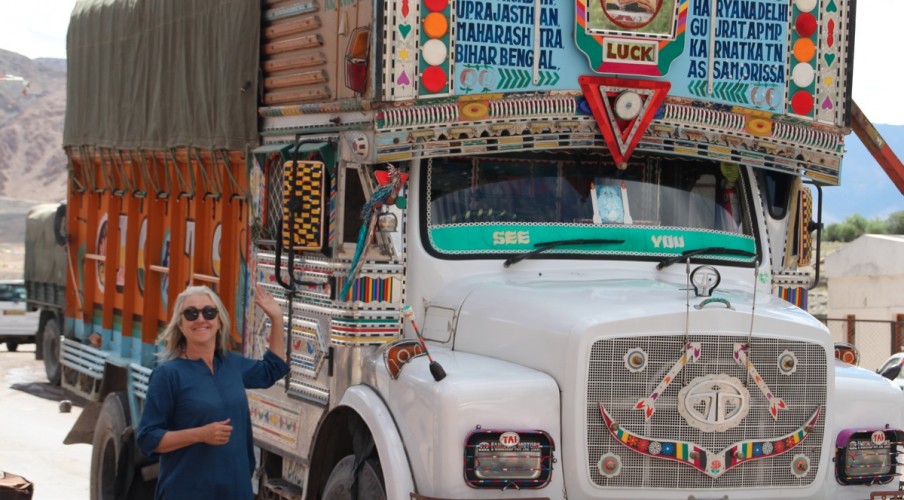
Mind you, the men of the Indian army do not always physically DO the labour – this is often the responsibility of migrant men and women from the south who live in plastic tents or sometimes parachute tents, and wash in the river and chip and lift blocks of stone for months on end, presumably earning more than is possible in their home states far away. It is not an easy sight to see them lift large pieces of granite and toss them into the back of truck, for hours on end, or seeing them squatting in their underwear in freezing melt water.
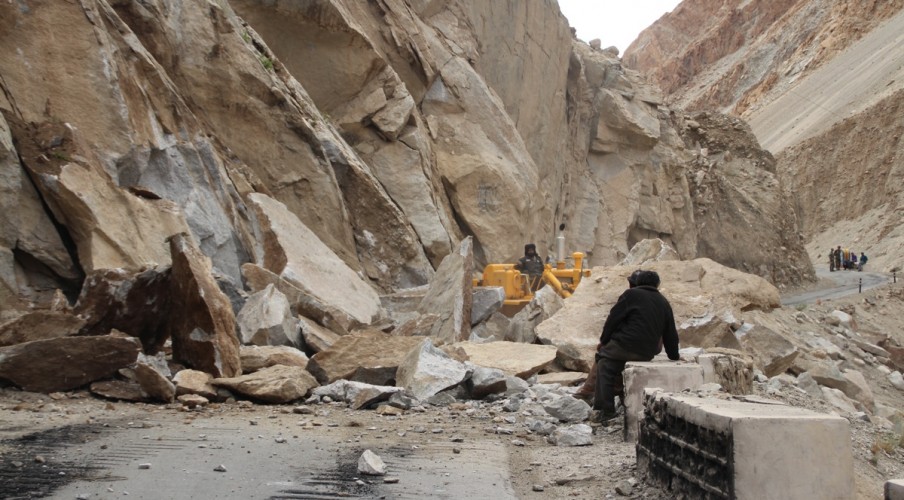
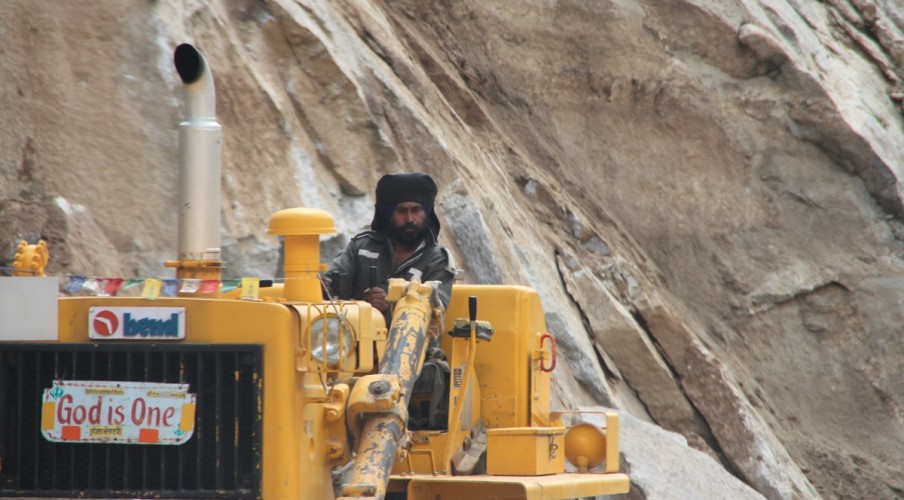
The army brings money to the area, and while it flies helicopters to and fro through the valleys in rehearsals or enactments of surveillance, or marches into the stark peaks for training in High Altitude Warfare, the army is responsible for the welcome maintenance of roads and bridges. On the route over the Zoji La from Srinagar to Leh we were stopped while the army cleared a small avalanche of rock, which halted all traffic for about an hour. On our drive to Zo Moriri we waited while a grader pushed huge shanks of granite off the road and over the precipice after the army had dynamited a dodgy looking outcrop of rock on the cliff above the road.
After about five hours of slow ascent we turned right, across an army-made bridge, to follow a tributary river even higher, to Tso Moriri. After climbing steeply for about an hour the dirt road plateaus onto green pasture and we are amidst horses and yaks and dzo (a cross between a cow and a yak). Small groups of locals are making short, wonderfully crafted stone walls, for reasons that are opaque to us. Why have a wall in this vast pasture?
On and on you go, and it is possible to imagine this is Tibet, or Mongolia, that you are connected once more to the routes of trade that have cut across these regions for centuries, except that you are in a nice Toyota car looking through a window. And the Chinese army is just over the mountains, in occupied Tibet.
We arrive at the town of Korzok through impossibly beautiful high altitude pastured plains and streams and finally we glimpse the lake. I am already breathless, but I attribute this more to the altitude rather than the effects of the sublime. We are at nearly 5000 metres, higher than the top of Mont Blanc. It is a poor place, very harsh and mud-coloured. There are no whitewashed homes as we see in the valleys of Leh, just ramshackle mud brick squares and muddy lanes. No fields of grain. Pads of cow and yak dung are carefully stacked against the outer walls of the houses to serve as fuel in winter. There is construction, no doubt to accommodate the tourists, fuelled by cheap human labour and not by any technological advances. As with the rest of Ladakh, there is no power during the day, but it seems doubtful that most village people would be able to take advantage of power, were it even available. There are a few makeshift canteens and shops mainly selling the local Tibetan mo mo’s – steamed dumplings – and the every-present Maggi instant noodles. A non-veg town.
We end up staying at the Super Deluxe Nomadic Life Tent Camp. There are a number of these ‘permanent’ camps dotted haphazardly across the base of the town. Ours has a large tent with a bed big enough for three, so we grab an extra mattress and move in.
There is an outdoor throne (our word for a western toilet), which makes Mei (and me) happy!
It looks like you are all on another planet! Amazing images – and go the vegetarians (which is a comment on your last post about the lack of meat in your diet). Bet you can’t wait to have a vegetarian dinner at our place when you get back xxxxx