Posts in Category: Christopher

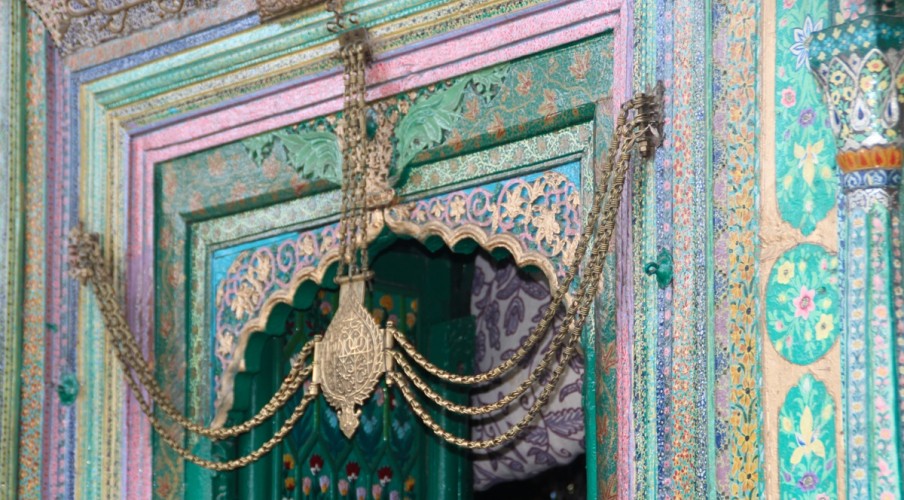
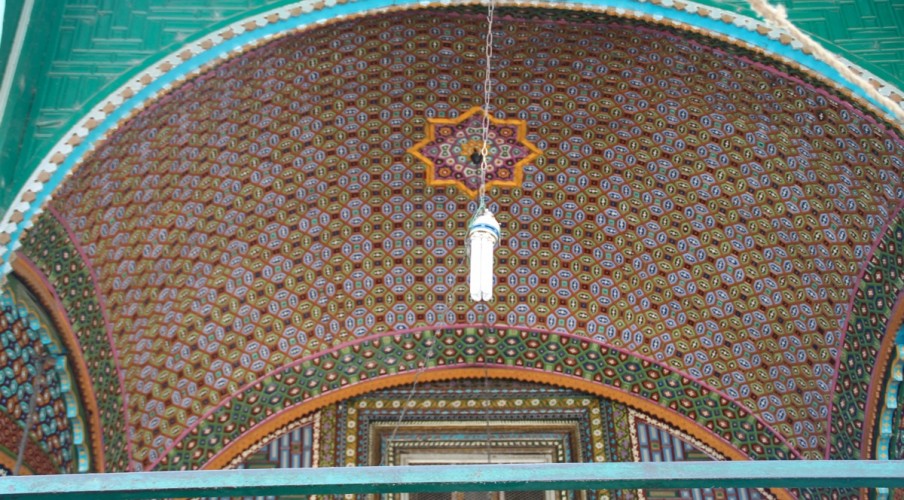
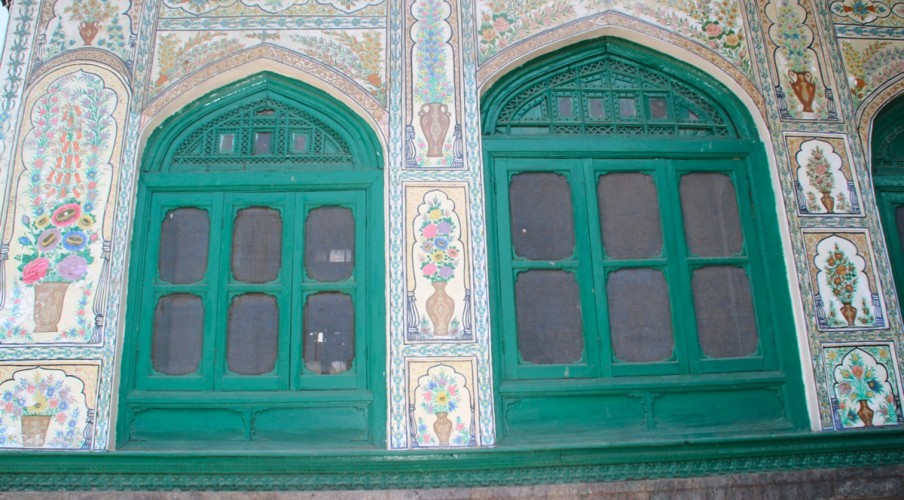
Khanqah Shah-i-Hamadan Mosque

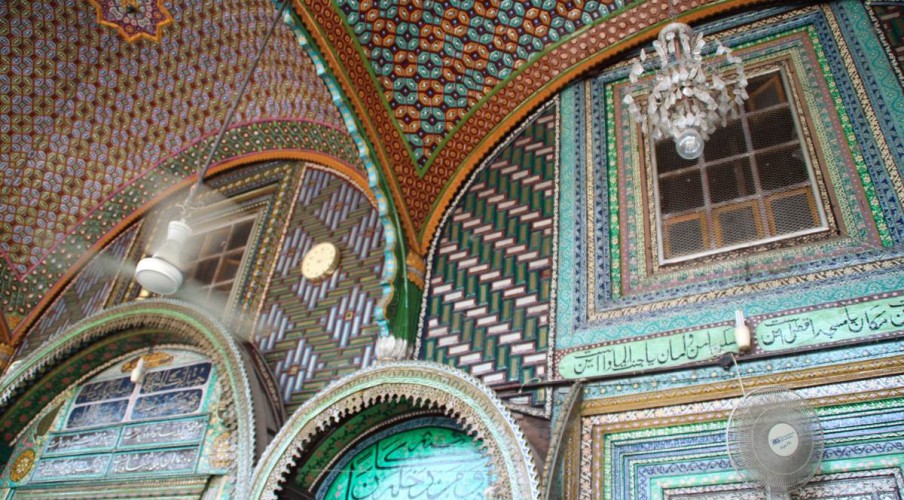
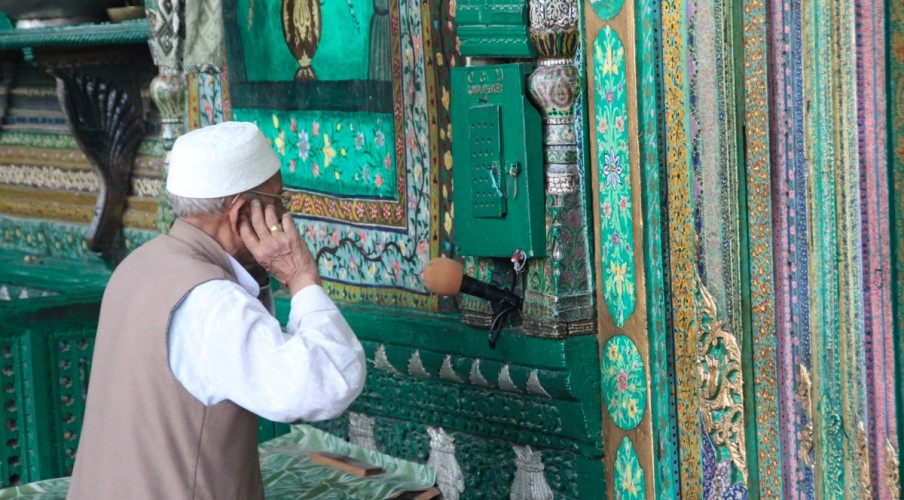
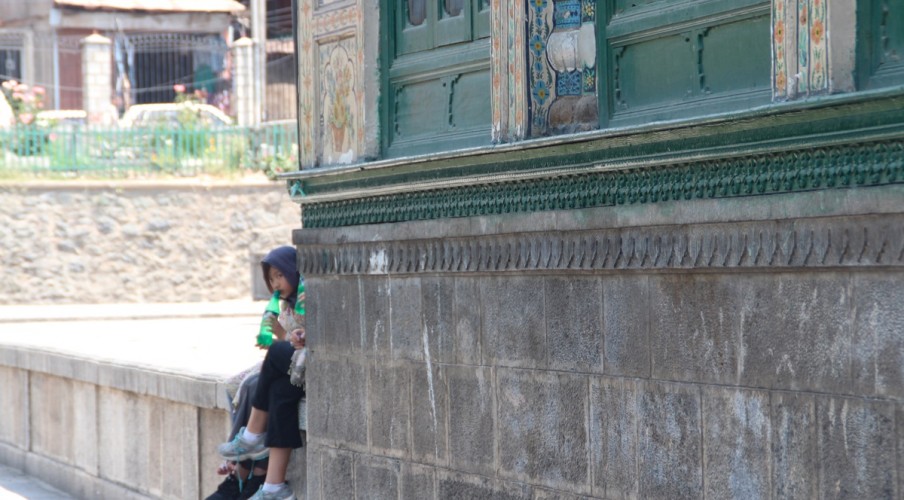
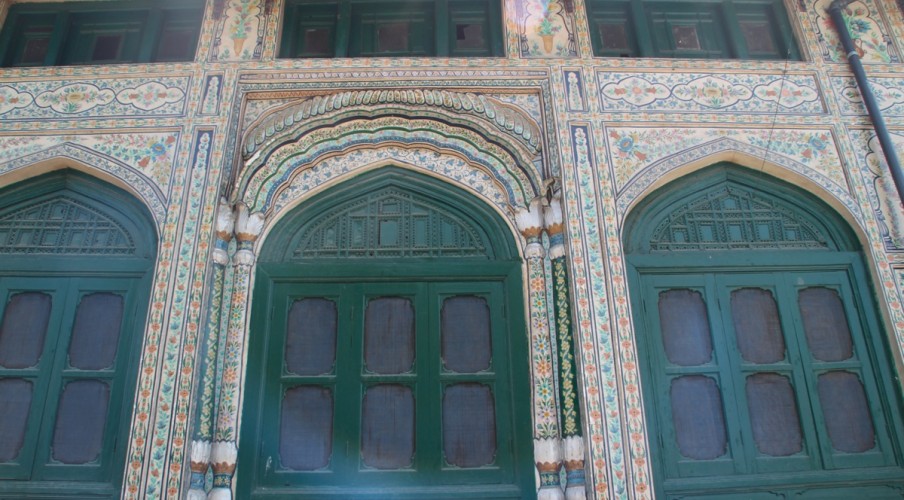
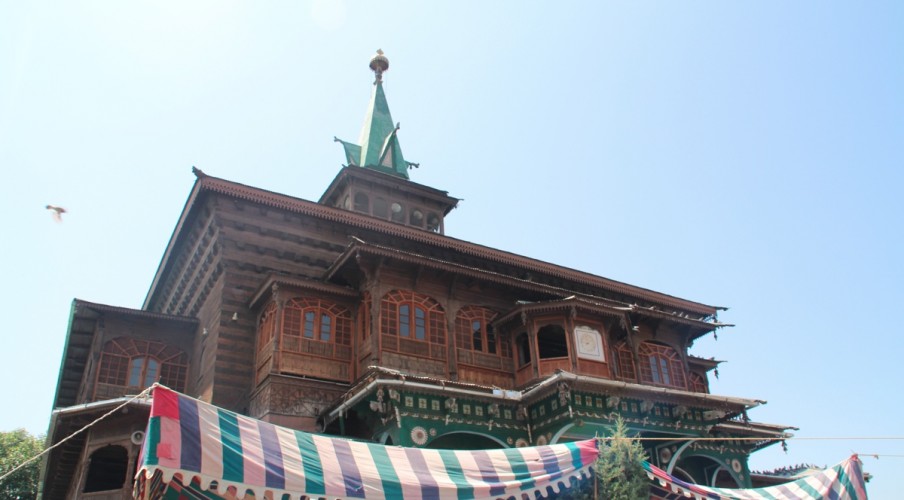
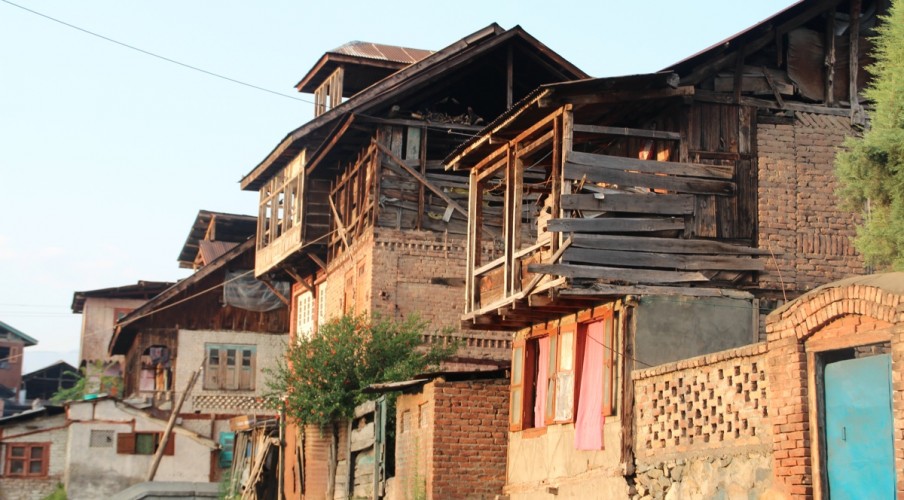
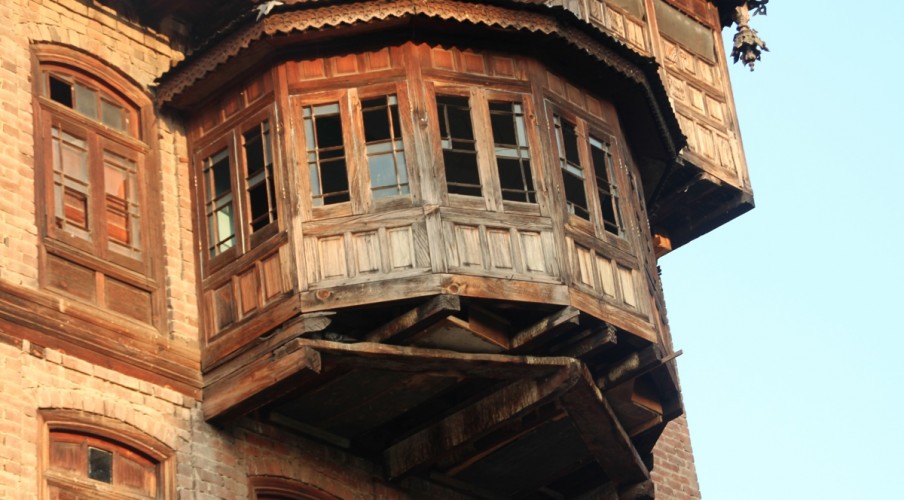
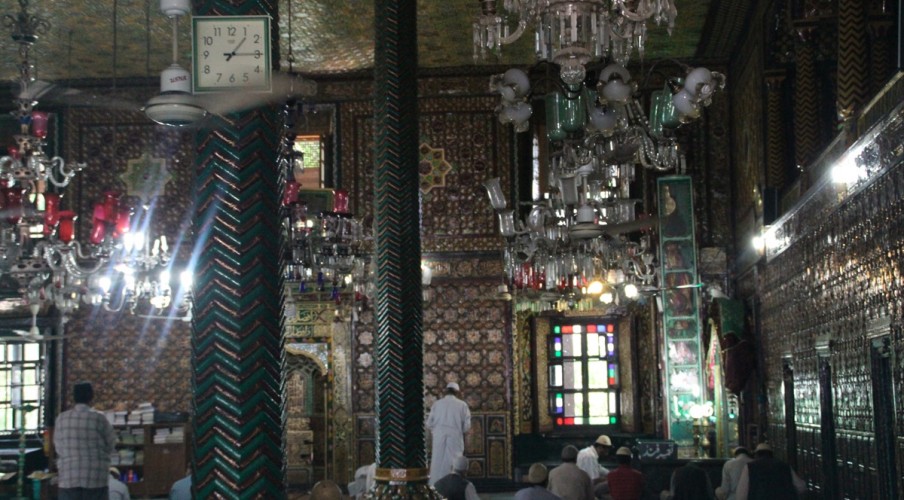
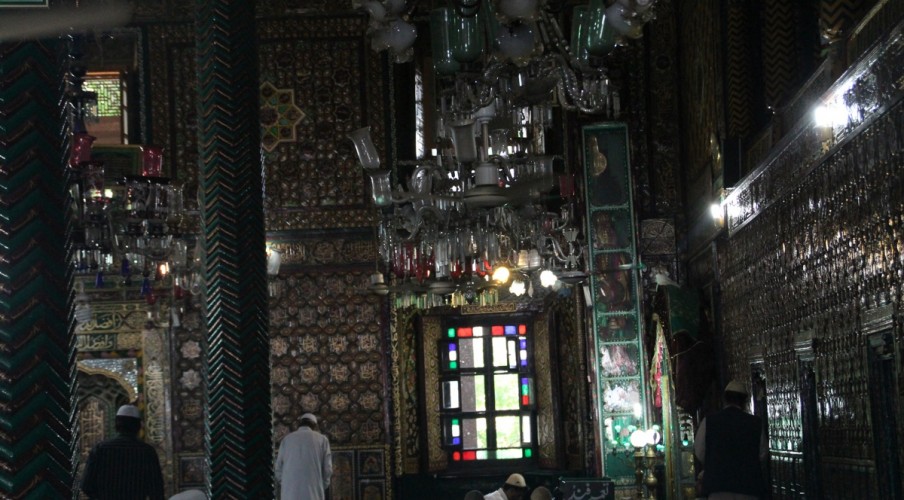
Yesterday we visited the Khanqah Shah-i-Hamadan Mosque, built in the 1730’s, just as prayers were called and all the local people came streaming in from the street.  It’s Ramadan, and this permeates everything we do here … hal-way through a transaction or a conversation, watches will be consulted and people will excuse themselves and jump in the car to get to the local mosque.

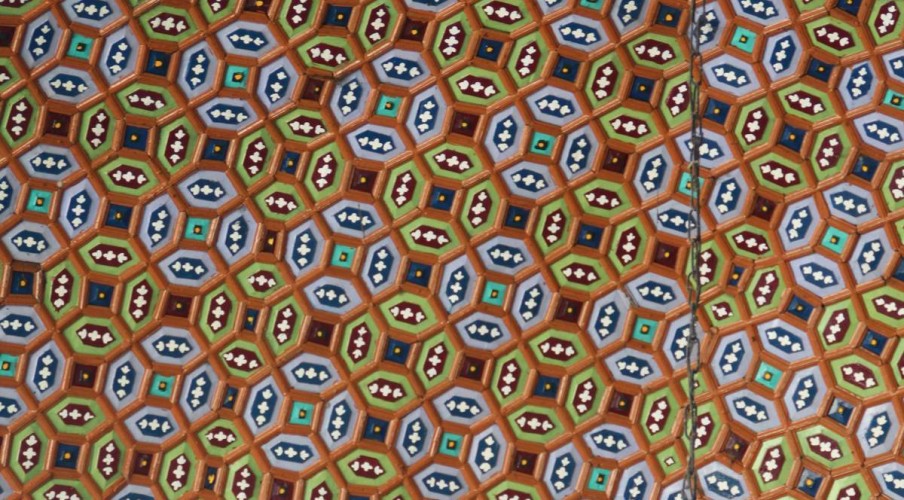
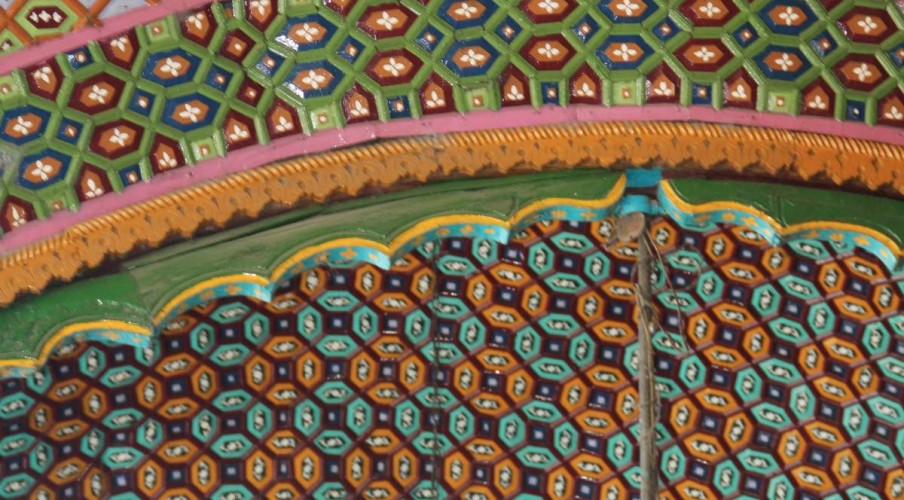
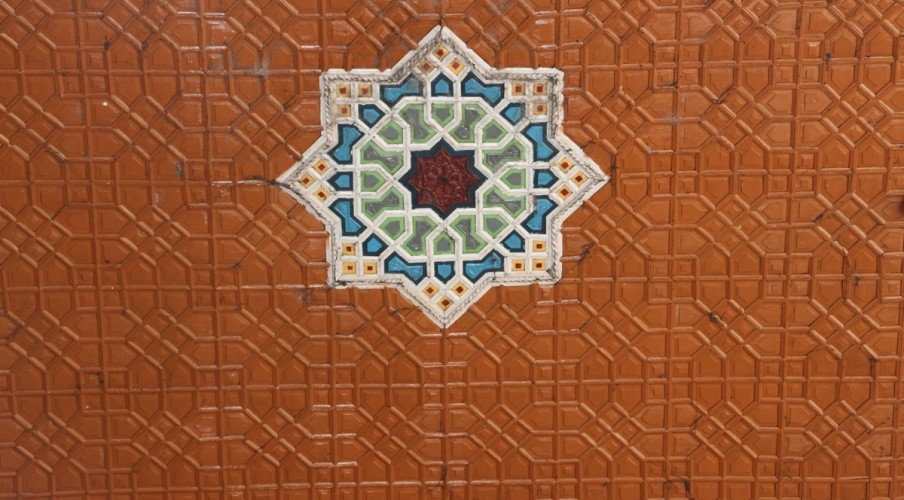
This mosque is an astoundingly beautiful place, and like all the mosques we have visited, very welcoming.  We couldn’t go inside during prayers but were invited to look through the window and take pictures.  The front and interiors are covered in papier-mâché reliefs and elaborately coloured khatamband (faceted wood panelling).  The building stands on the site of one of Kashmir’s first mosques, founded by Persian saint Mir Sayed Ali Hamadani who arrived in 1372, one of 700 refugees fleeing Timur’s conquest of Iran.

The Old City

Srinagar is much more relaxed than when I was here in ’95 – many hindu pilgrims are here on the way up into the himalaya to visit the Shiva Linga (see wiki below).  Over the season around 500,000 people visit the sacred site and are very tightly controlled by the army.  There is also a rise in non-Indian tourism, despite the travel warnings from our governments, so where ever we go we often see a few groups of european tourists.  It is not the partying 60’s and 70’s but Srinagar is on the UP!  It is extraordinarily beautiful.

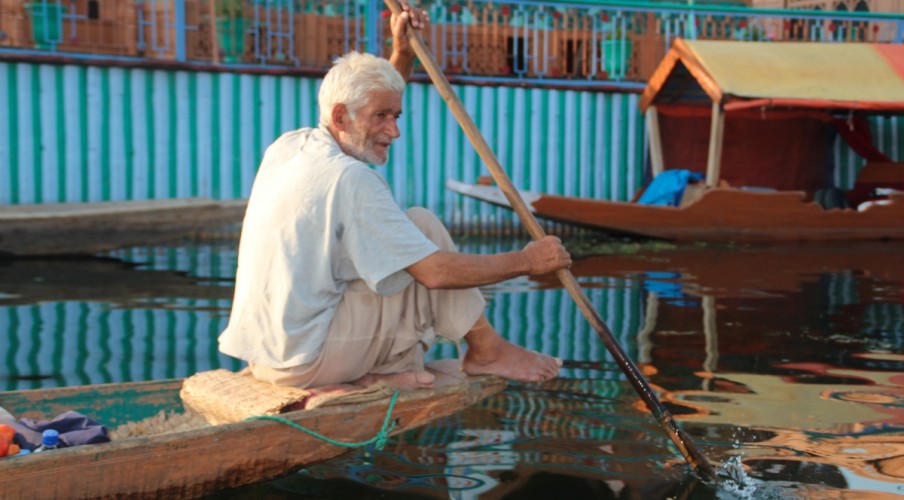
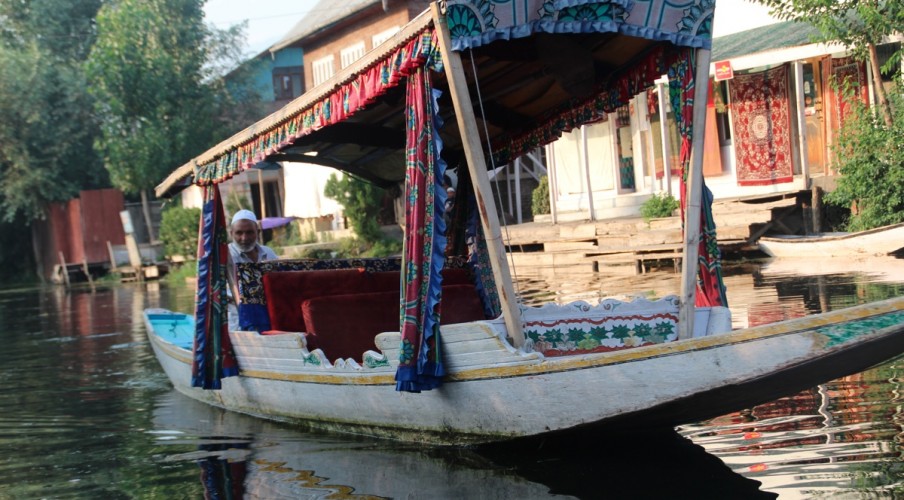
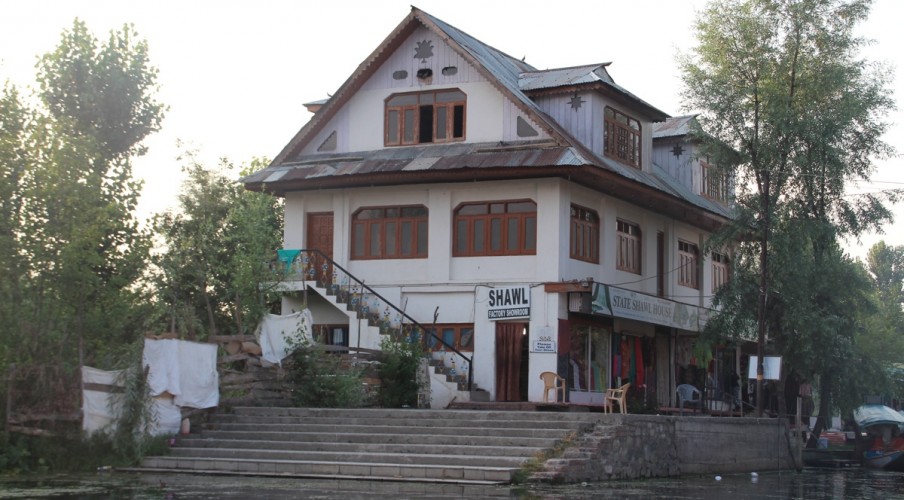
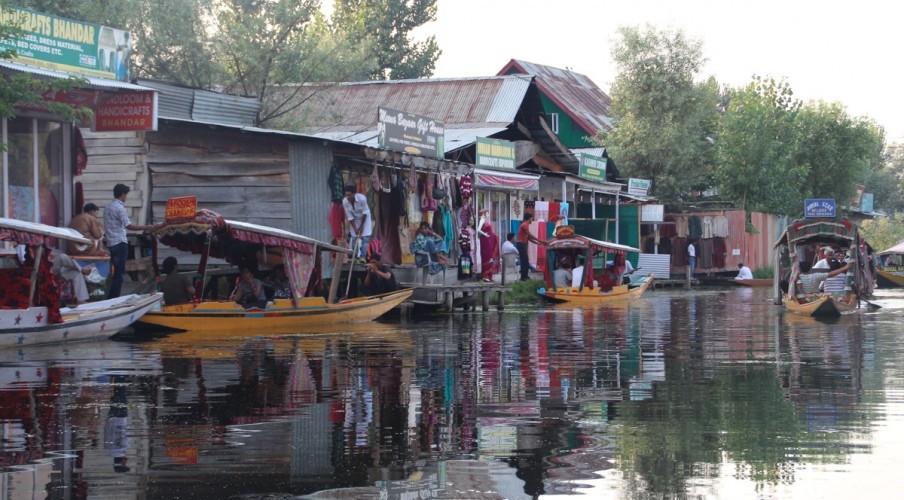
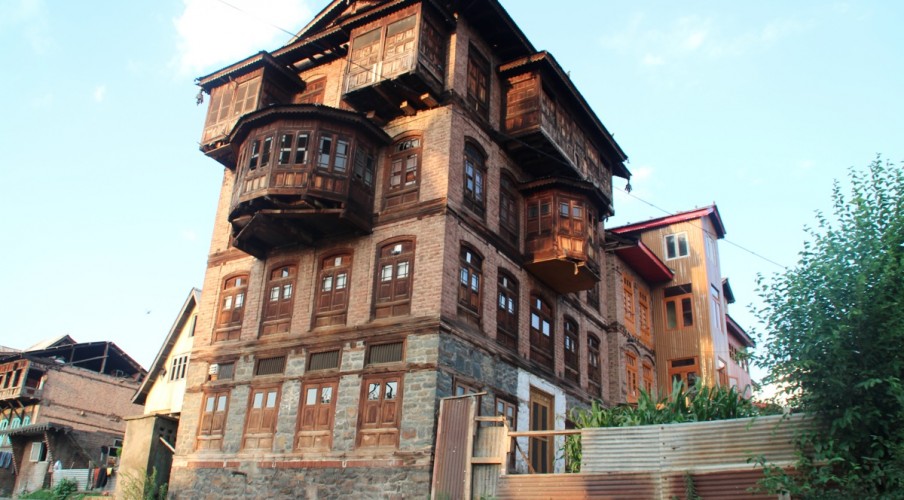
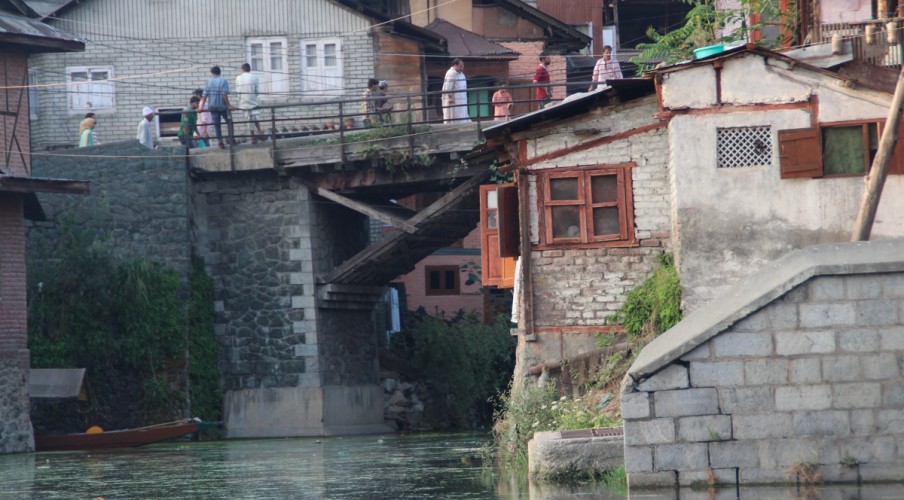
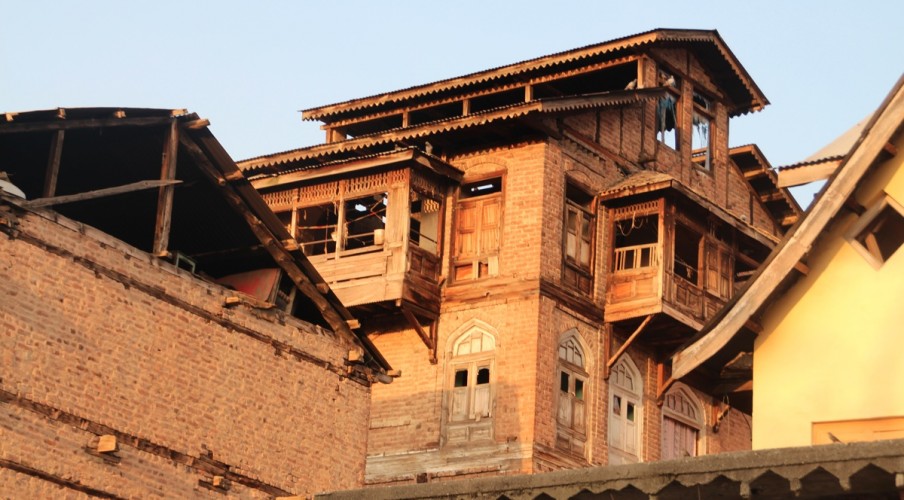
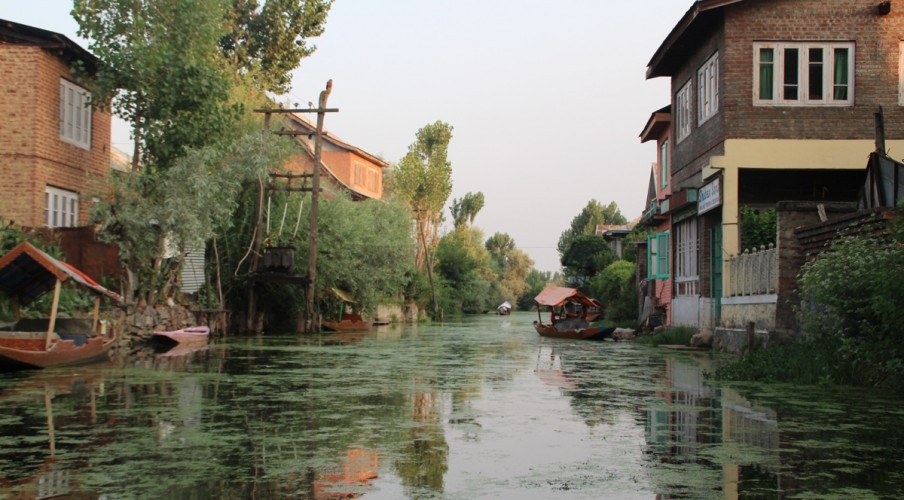
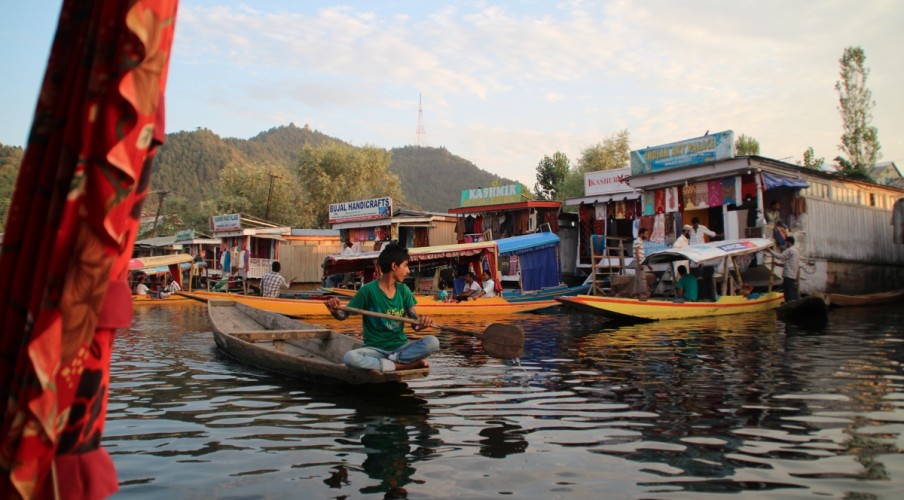
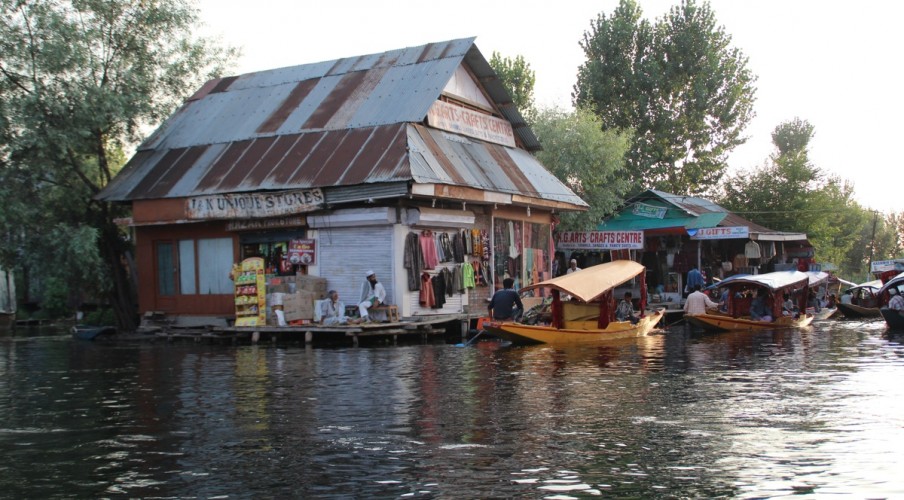
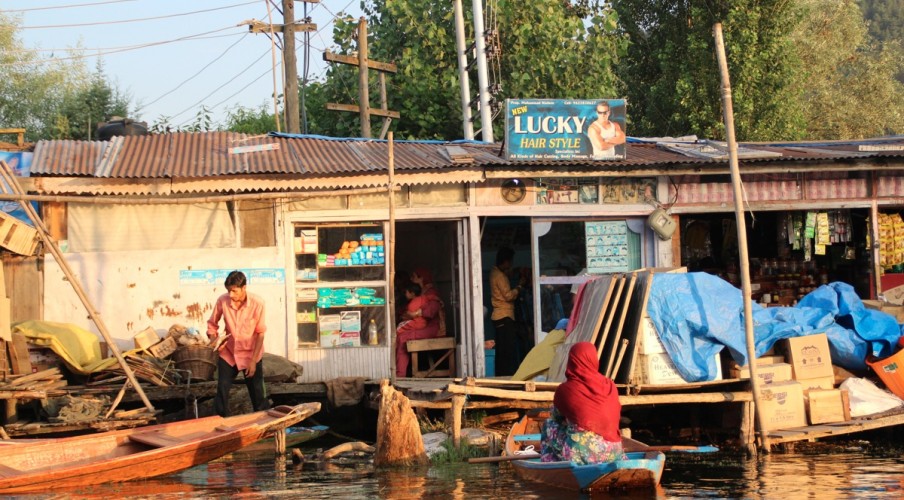
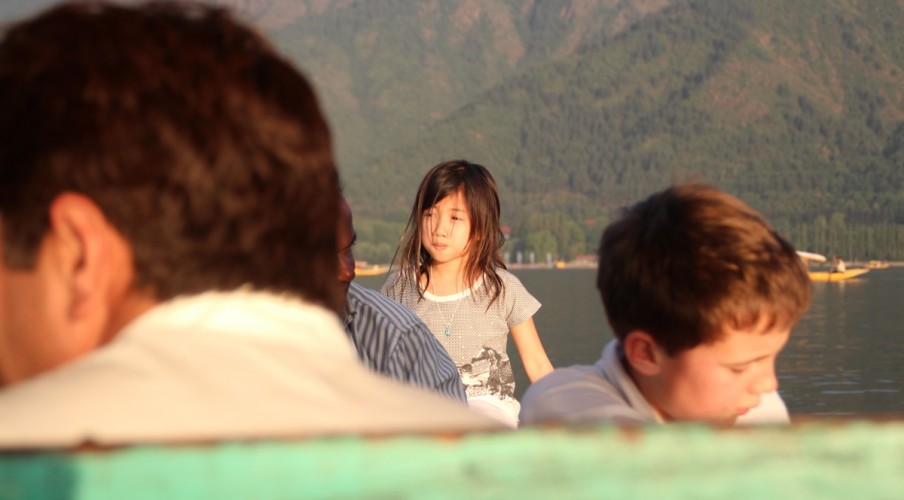
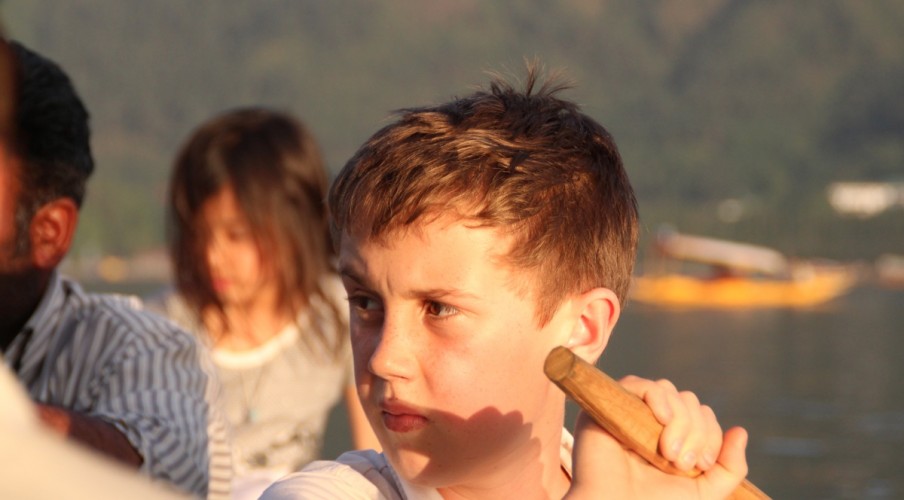
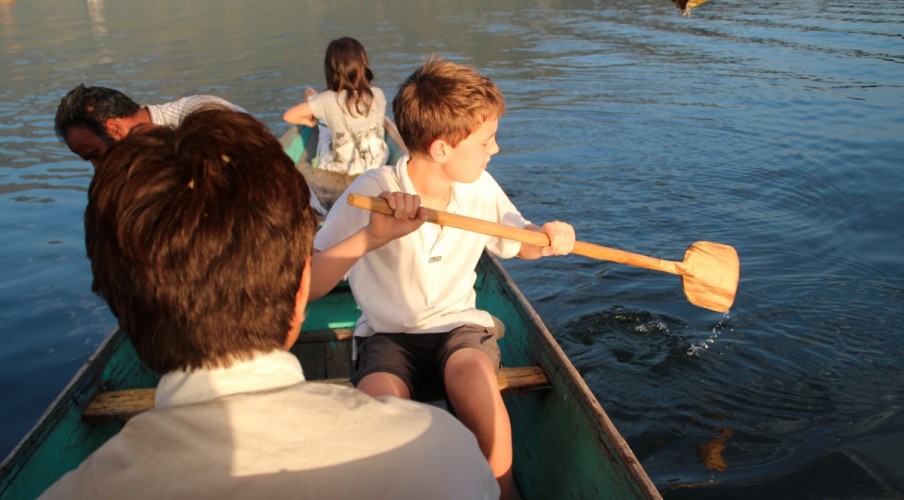
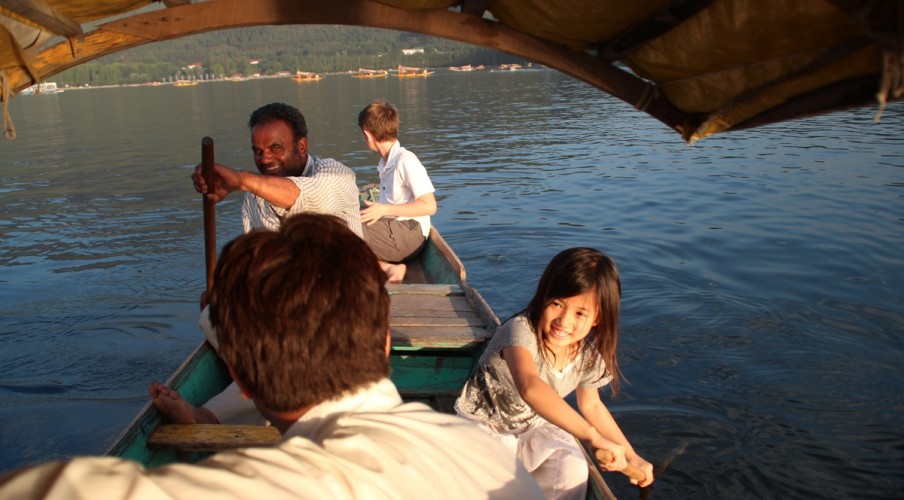
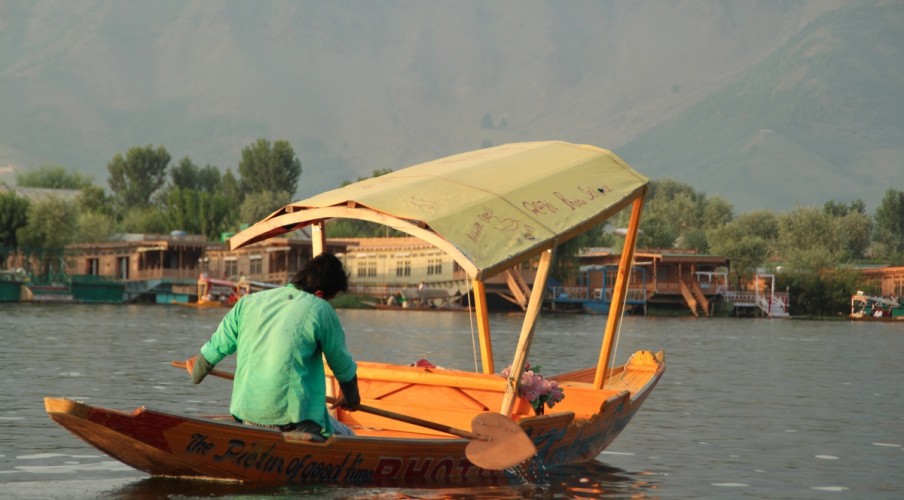
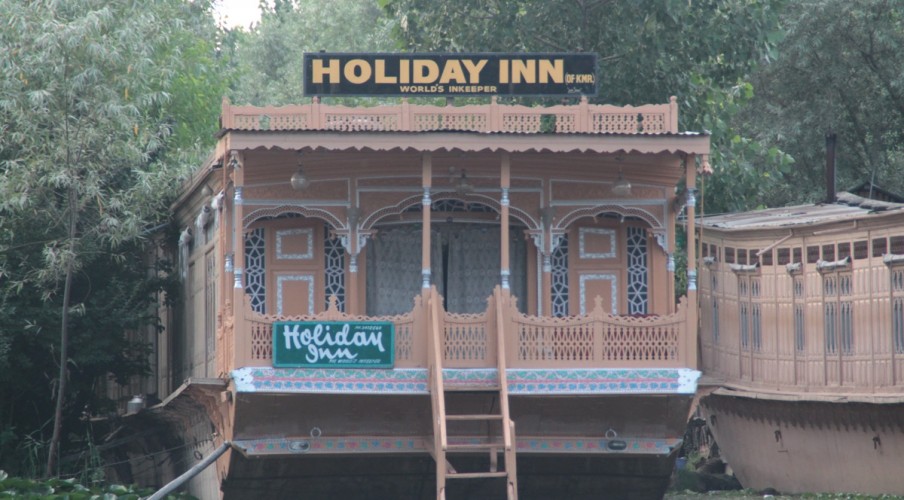
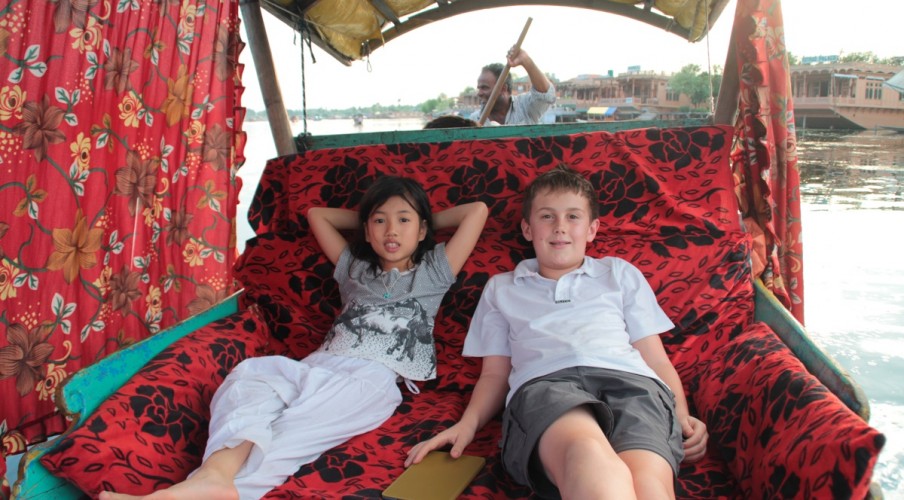
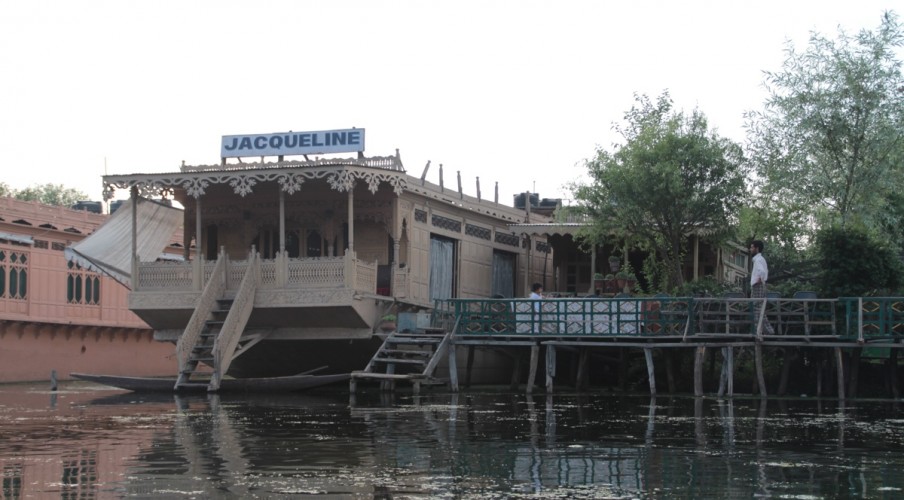
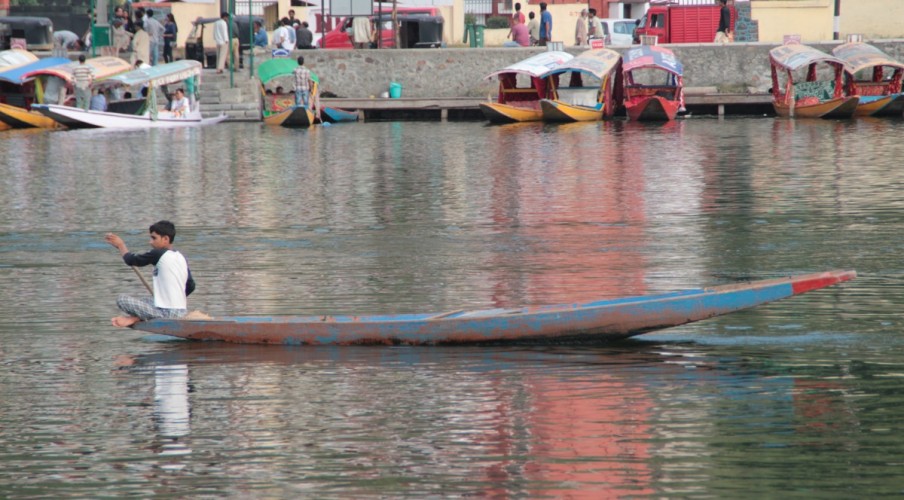
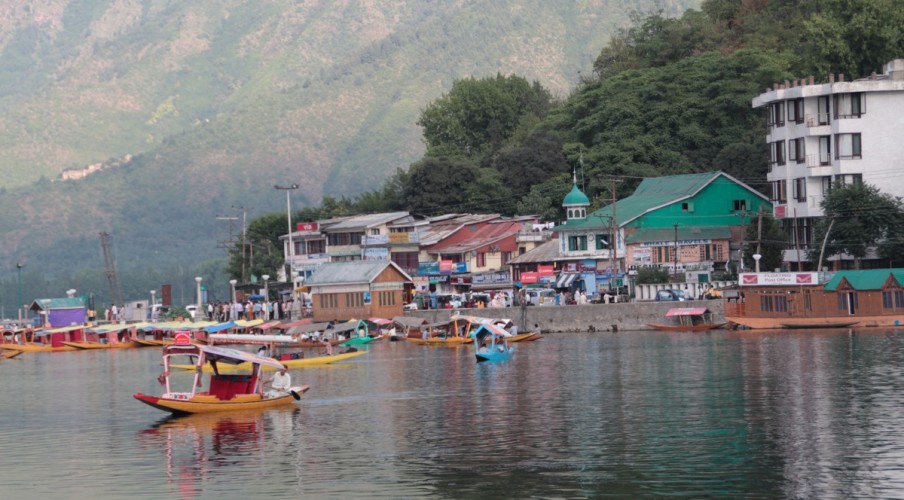
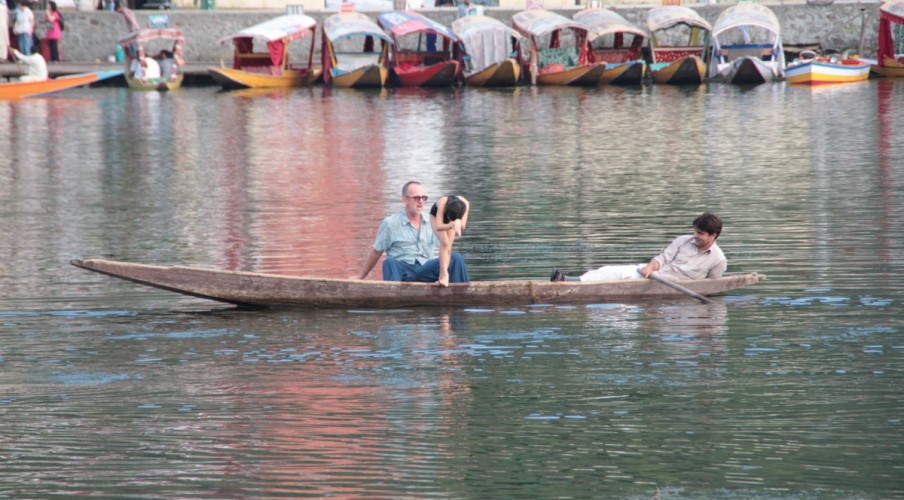
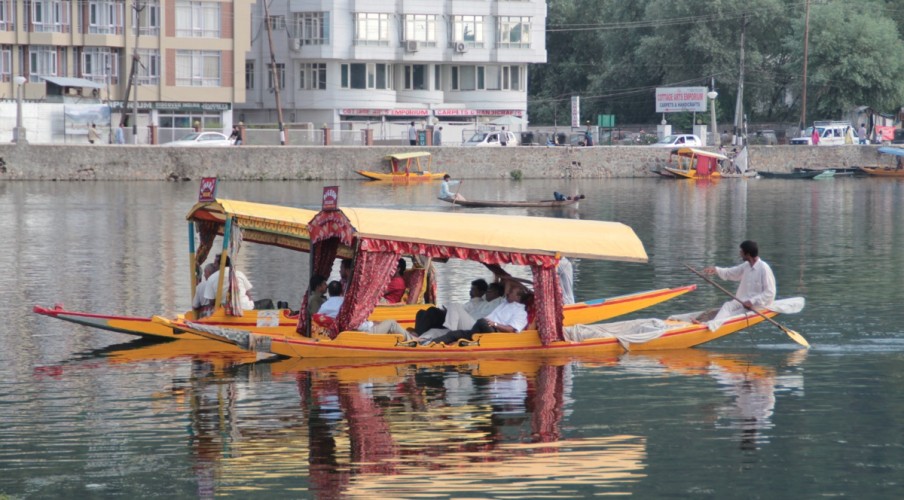
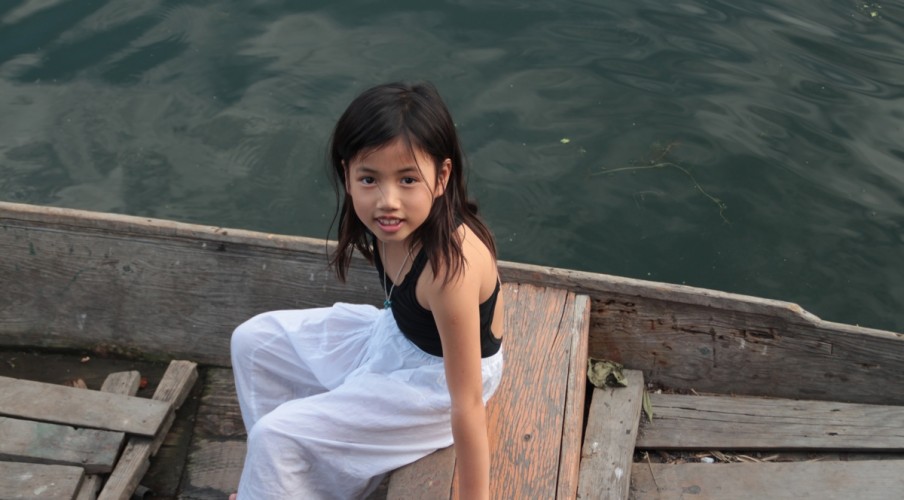
Yesterday, a few hours before sunset we left the Jacqueline for a two hour return trip through Srinagar’s Old City to visit a famous wood carving community and emporium. The Old City is the centre of the Kashmiri independence movement (at least its urban wing) and at various times over the last few decades has been a ‘no-go’ area for the Indian army, and not advised for tourists. Things are a lot better now and it is OK to visit and the people are very friendly and welcoming.  It is Ramadan, so at different times, like this one, as we made our way through communities and vegetable gardens and all types of wonderful shops, the Mosques from around the lake (and on it) called the faithful prayer.  This makes for a pretty wild and unique atmospheric moment.  Xavier and Mei are having a tremendous time and where ever they go are often called upon to be part of family snaps.  Today we head out to visit some very old and beautiful mosques … I have to stop now  and go out to ‘save’ Josie – the jewellery boat has been here for a while and she is making another purchase!  Anyone for pure silk carpets – the best (outside Iran) … $3500-4000, or a pashmina?

Amarnath Cave Pilgrimage is an annual pilgrimage made to the Amarnath cave by lakhs of Hindu devotees on challenging mountainous terrain in the state of Jammu and Kashmir.

Located in the Indian state of Jammu and Kashmir, Amarnath cave is a famous shrine in Hinduism. It is dedicated to Lord Shiva. The shrine forms an important part of Hinduism, and is considered to be one of the holiest shrines in Hinduism. The cave is surrounded by snowy mountains. The cave itself is covered with snow most time of the year except for a short period of time in summer when it is open for pilgrims.

Inside the 130 feet high Amarnath cave that faces south, is the Shiva Linga, which waxes during May to August and gradually wanes thereafter.  This lingam is said to grow and shrink with the phases of the moon, reaching its height during the summer festival.
According a Hindu legend, this is the cave where Shiva explained the secret of life and eternity to his divine consort Parvati.  Two other ice formations represent Parvati and Shiva’s son, Ganesha.


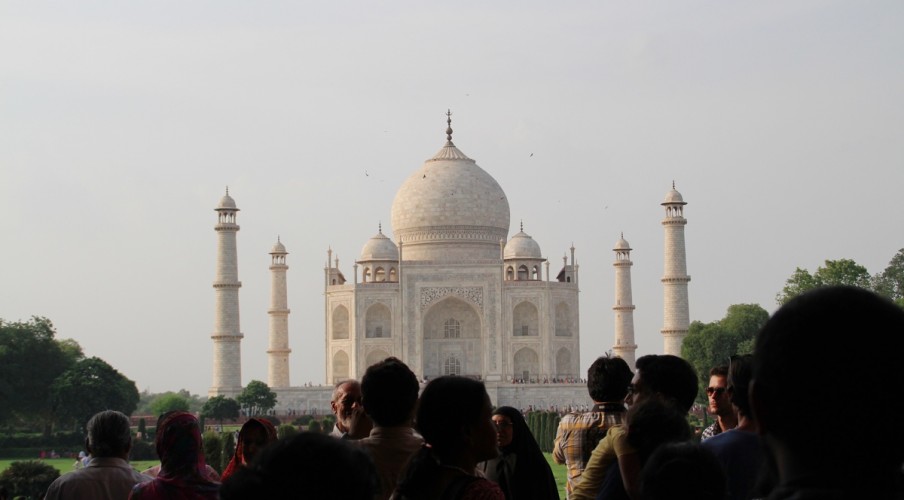
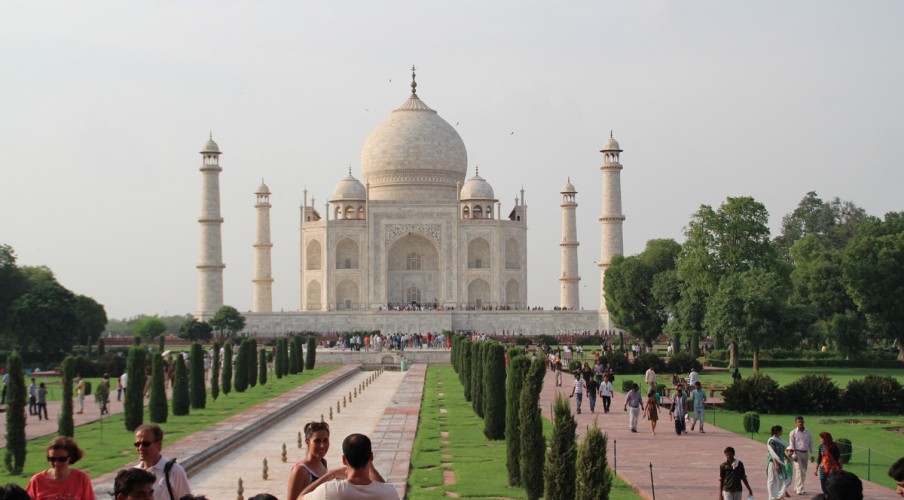
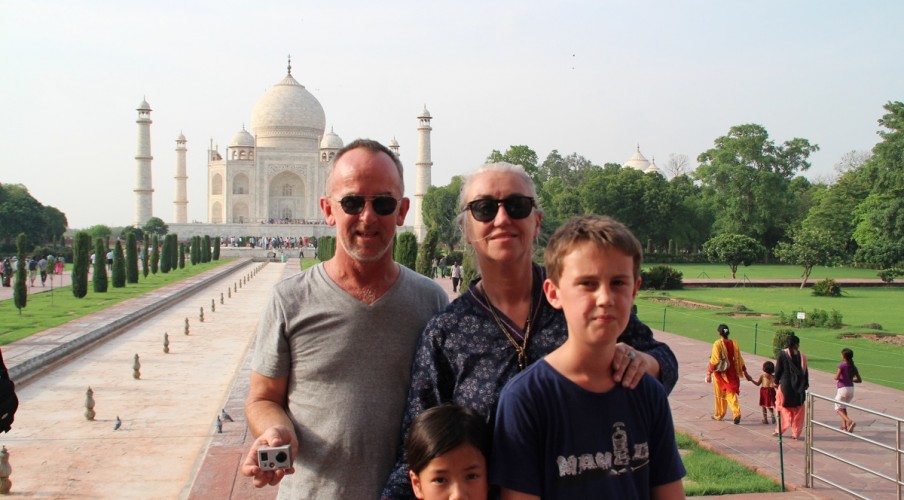
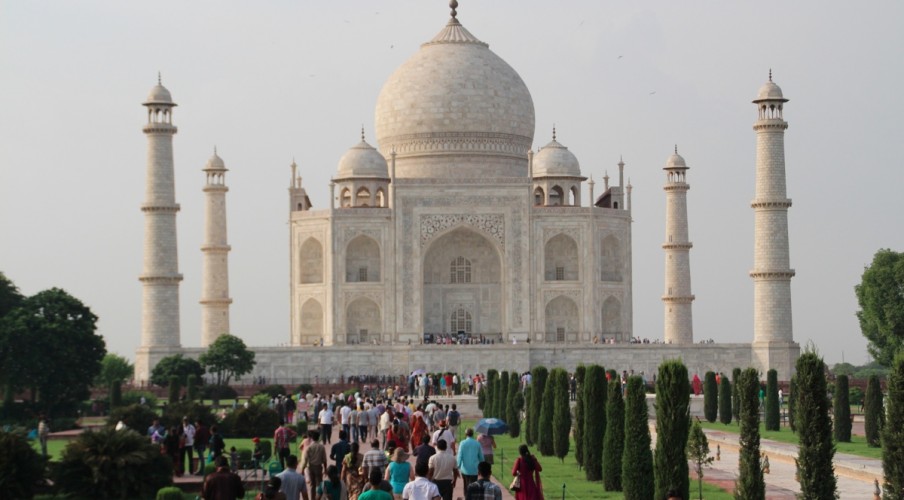
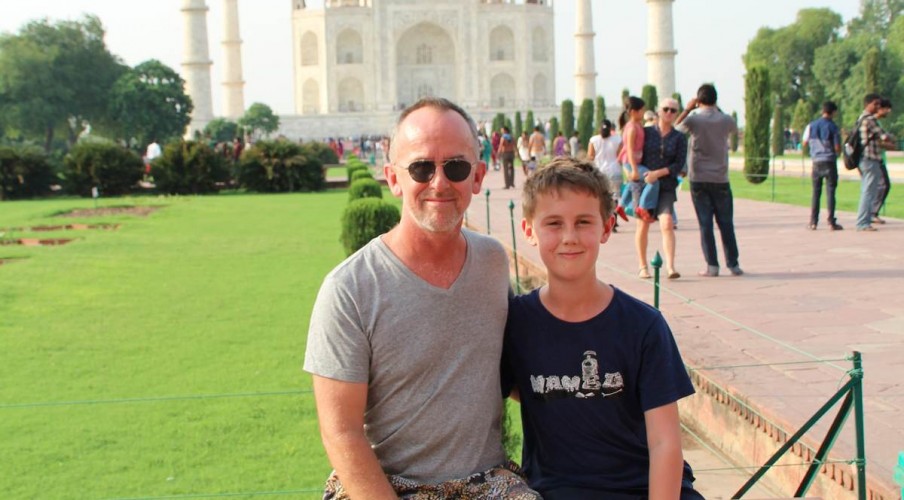
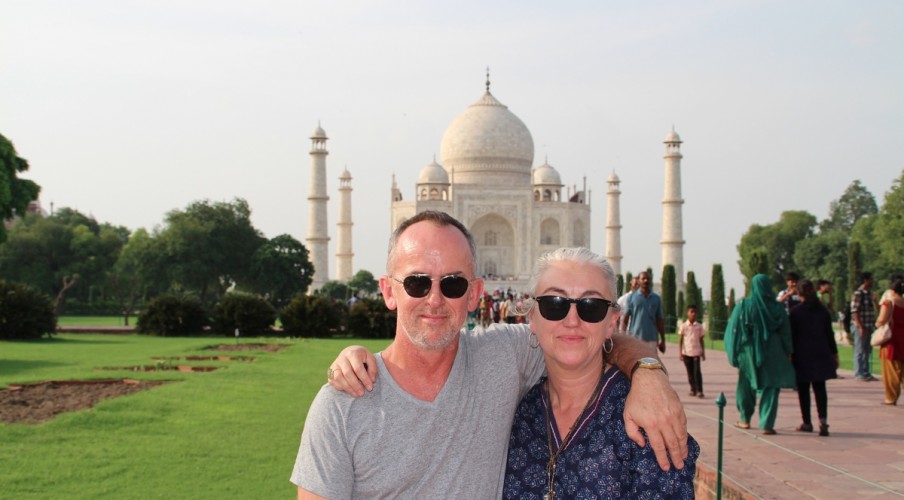
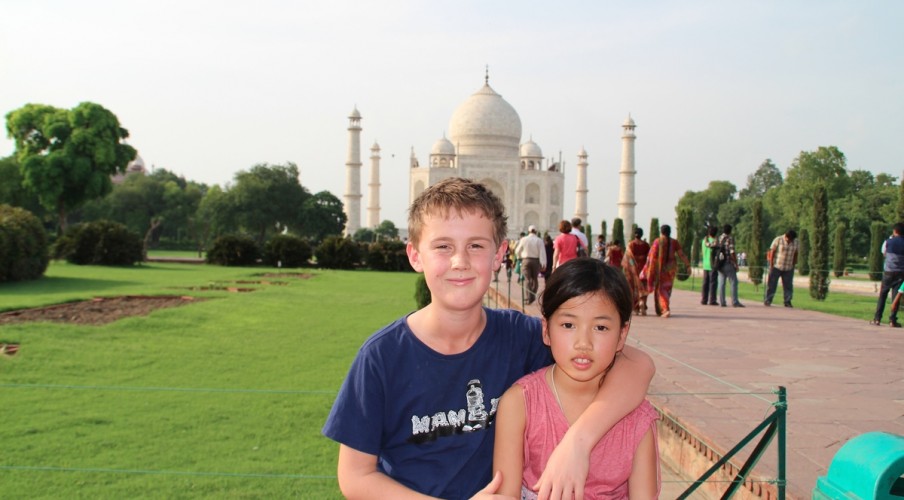
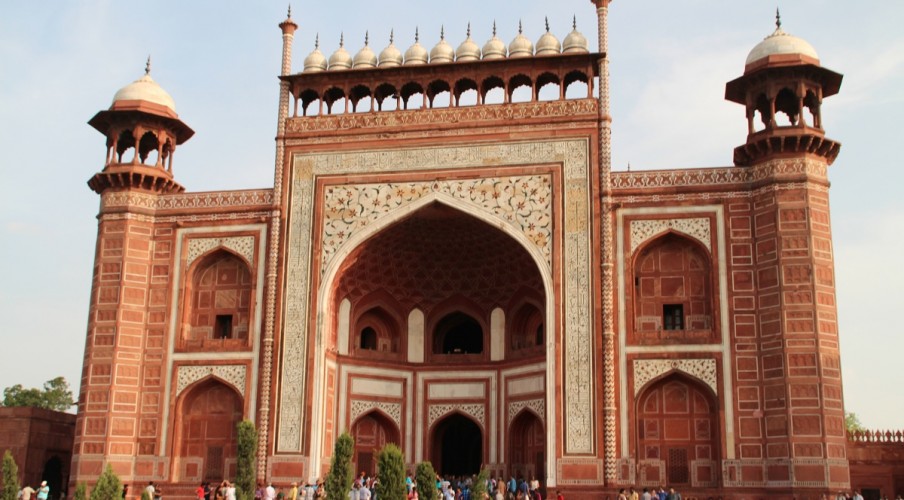
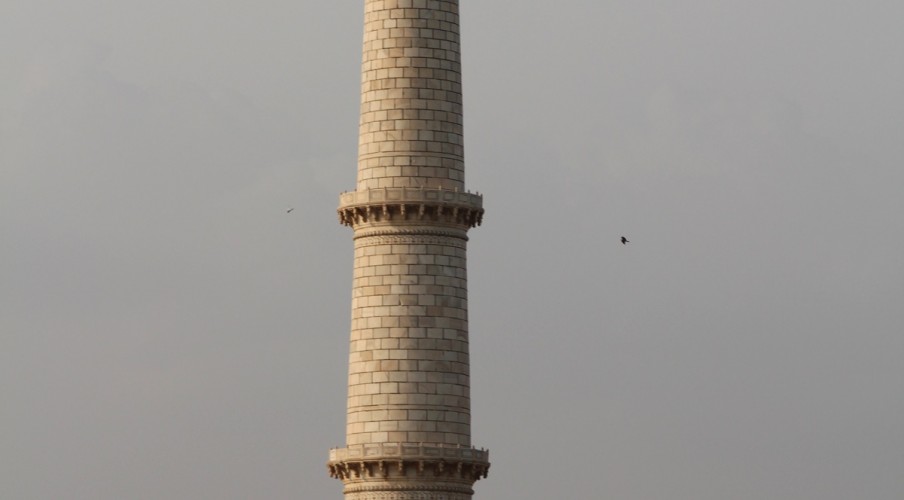
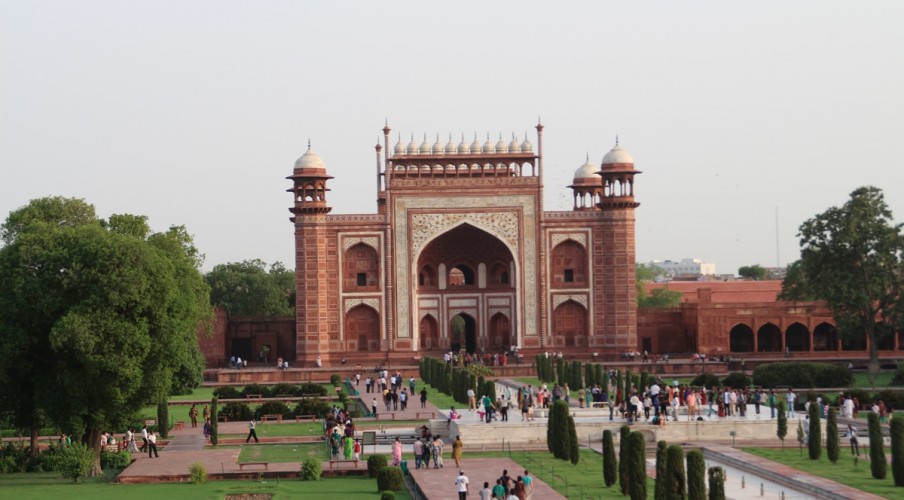
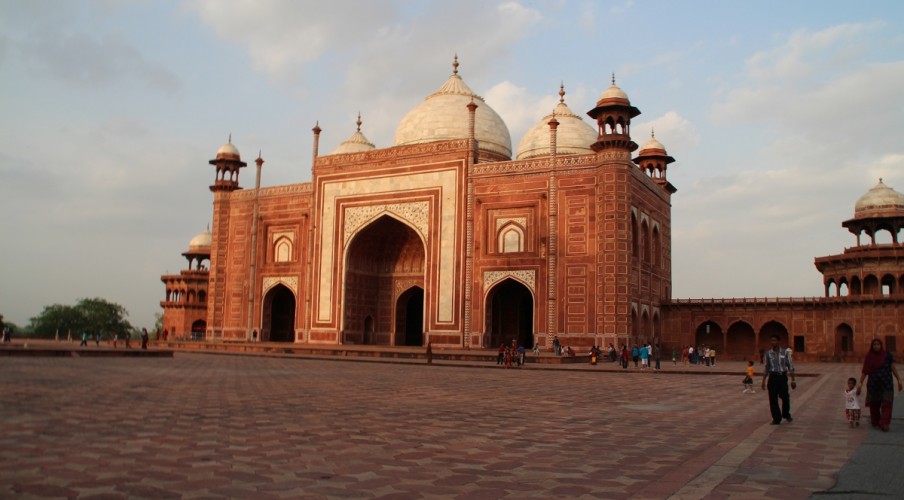
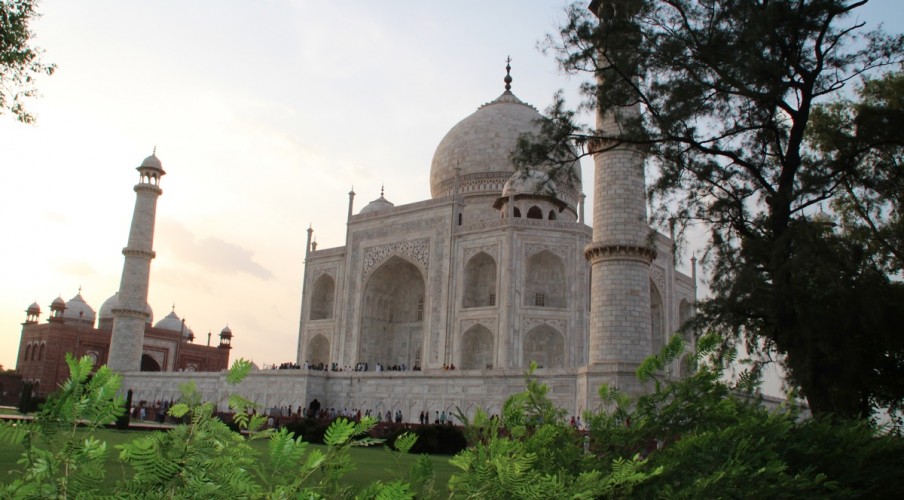
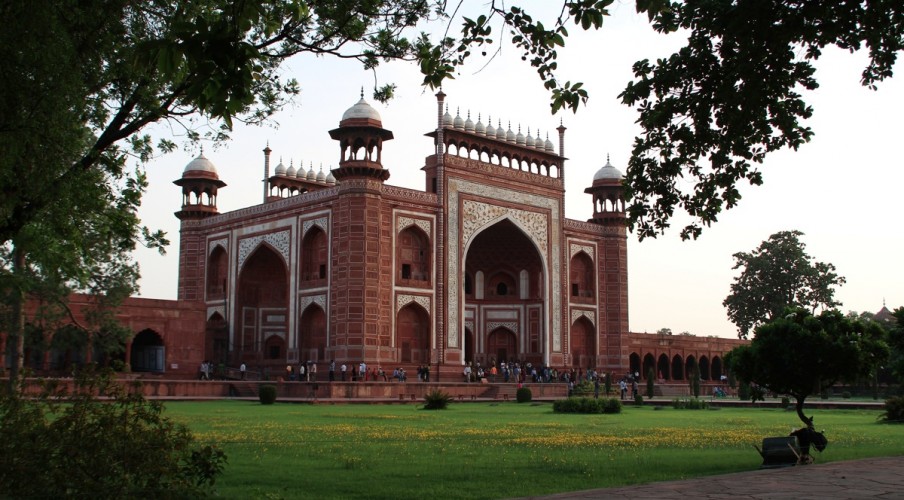
The Taj Again

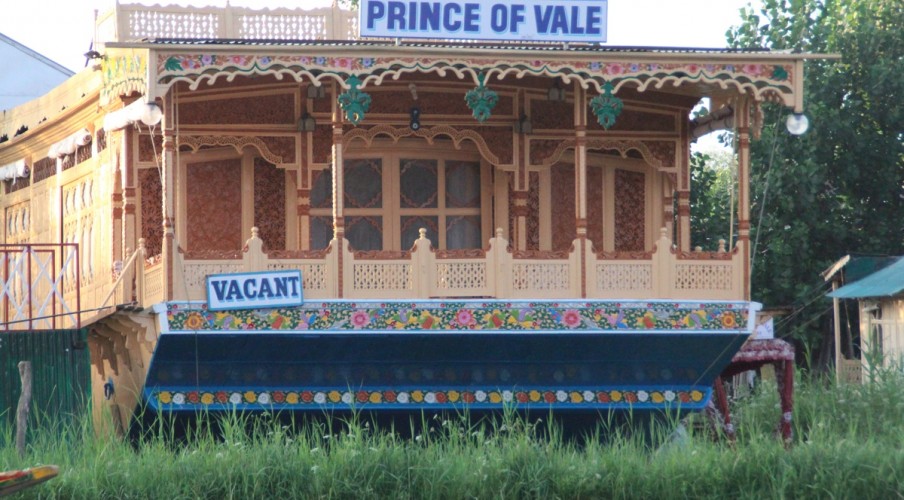
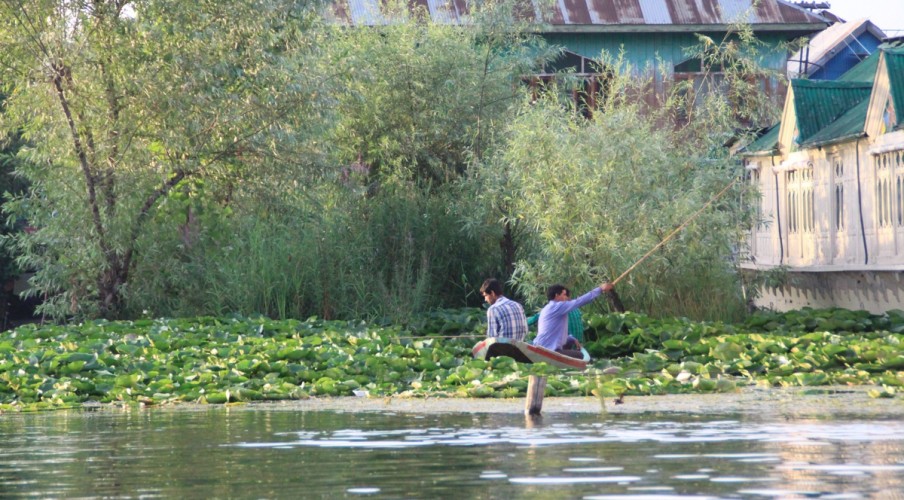
We Are on Dal Lake, Srinagar

We Do Not Want To Shop

From Jaipur to Delhi

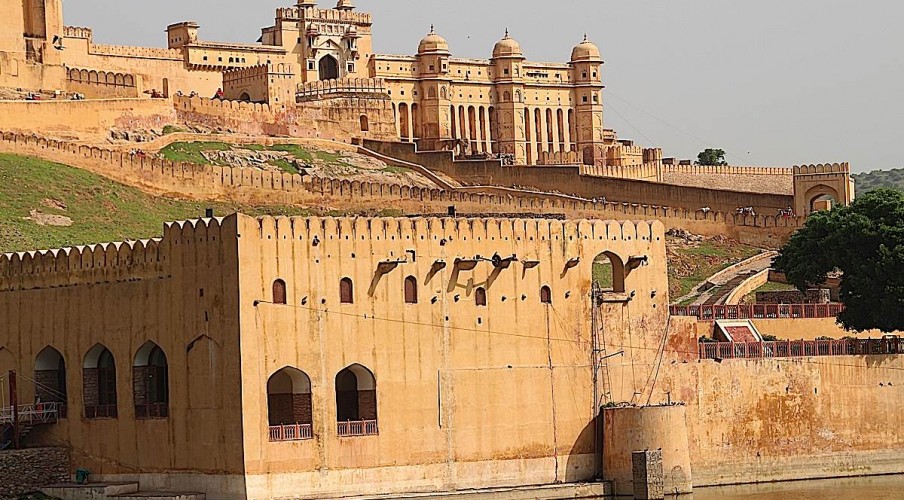
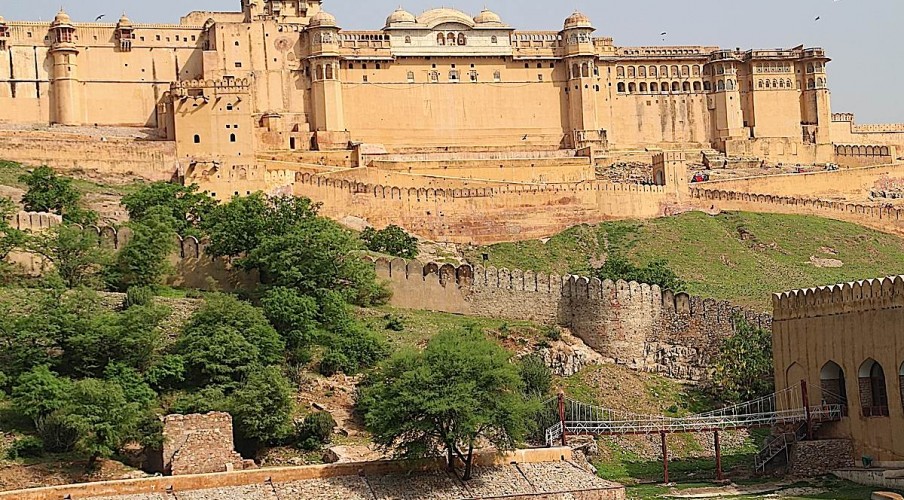
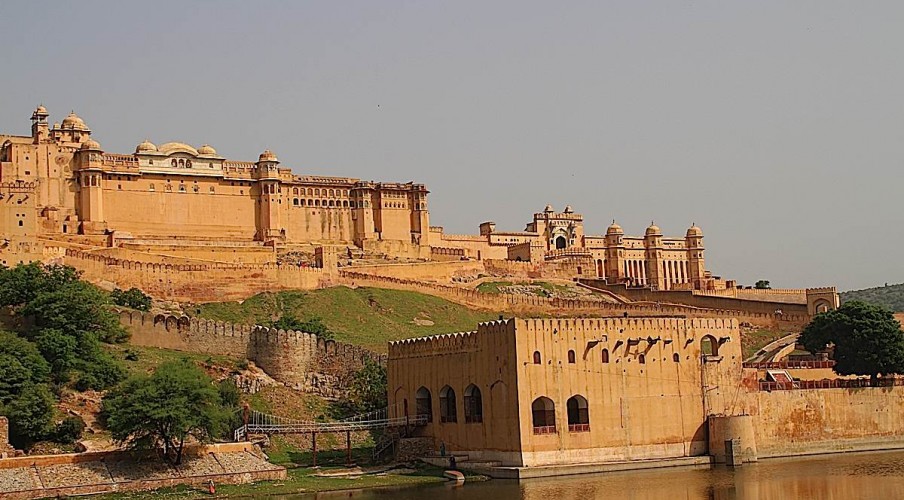
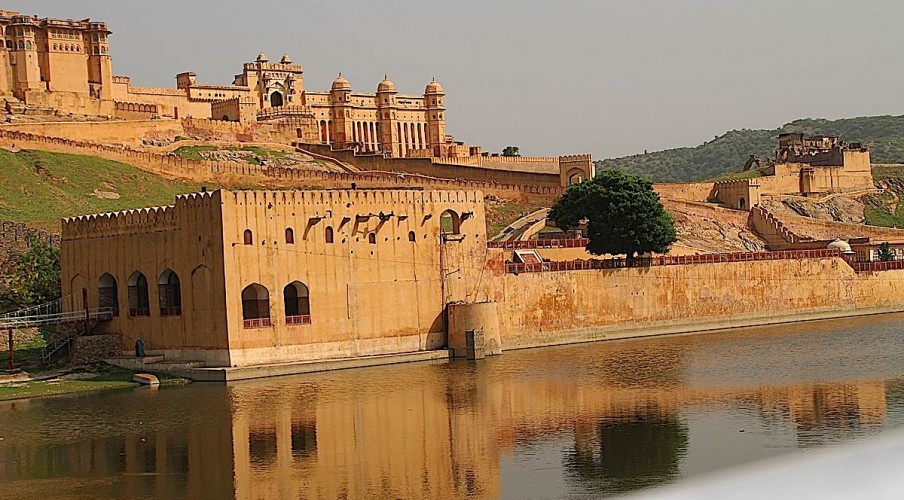
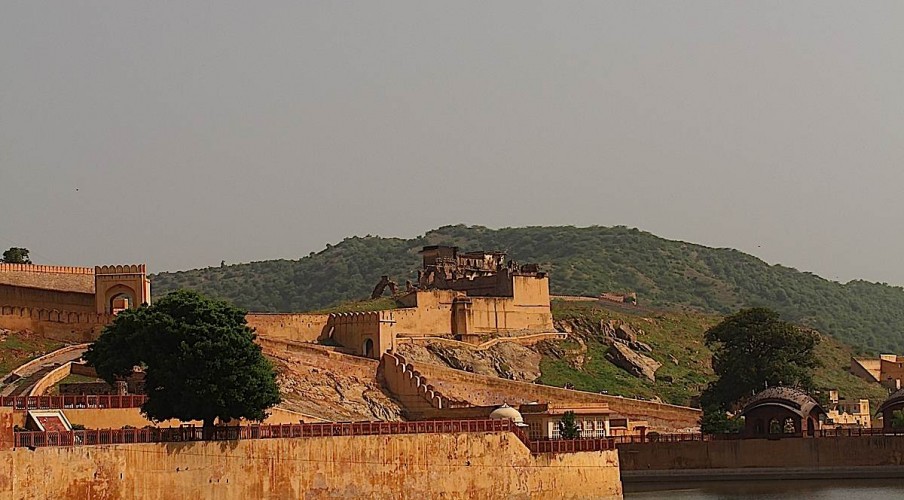
The day’s drive was nearly 5 hours on very hectic roads.  Our driver, Sunhil, was constantly inventive in getting through traffic at speed.  ‘Weaving through traffic’ has many meanings here, varying from the low speed quick response to whatever obstacle, to the pre-mediated risky high speed inside pass at 110K that makes three lanes out of two. Jangled nerves.  Our one brief stop was to take some quick snaps of the beautiful Amer (pronounced Amber) Fort.  The palace was lived in by the Rajput Maharajas and their families.

Thinking Ahead to Srinagar-Leh

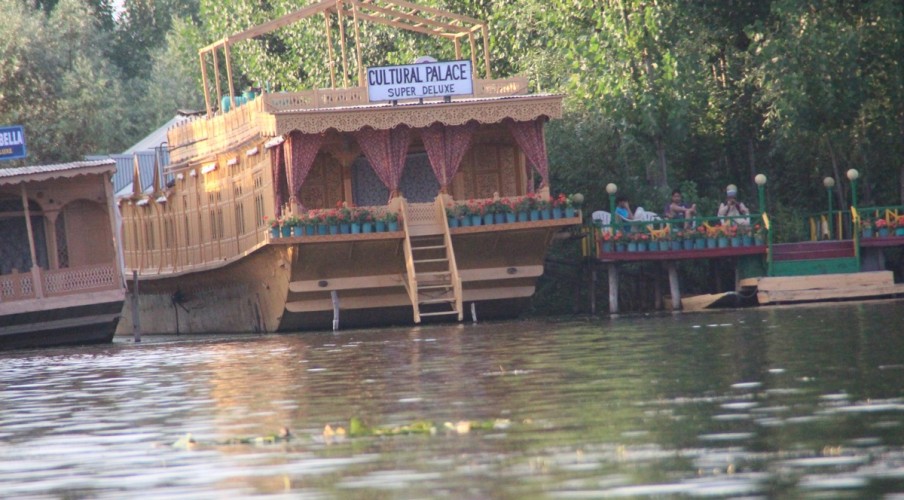
Tomorrow we fly Kashmir for four nights on the Jacquline Houseboat (Deluxe Class).  Thinking ahead to one of the great drives up the himalayan wall.  A local guide:

The 434 KM long Srinagar – Leh Highway is almost like a lifeline in the form of road connectivity between Leh – Ladakh and rest of India via Kashmir Valley. Srinagar – Leh Highway also known as National Highway – 1D (NH – 1D) is the most reliable and one of the only two ways to reach Leh – Ladakh by road, the other one being Manali – Leh Highway (Check: Travel Guide for Manali – Leh Highway here). Generally, travelers or adventure lovers from all over world loves or dreams to undertake this road trip of their life time by covering both routes connecting Leh – Ladakh to rest of India i.e. a lifetime experience road trip traversing Srinagar – Leh – Manali Highways. Apart from being famous for its enchanting views, this highway holds a strategic importance for India and being close to LOC, you see the heavy army presence on it when you travel through Srinagar – Leh Highway.

The highway runs along side the Indus River and through some extremely harsh and barren terrain including the three high mountain passes named Zozi La (3528 Mtrs), Namki La (3815 Mtrs) and Fotu La (4108 Mtrs). In any case, Srinagar – Leh highway offers some breathtaking landscapes ornamented by various historical and cultural constructions which are just like a dream treat for any traveler driving/riding through Srinagar – Leh Highway.

The 434 KM long Srinagar Highway generally remains closed for about 6 months in an year starting from November to May due to heavy snowfall on the mountain passes mainly Zozi La pass. Zozi La pass starts receiving snowfall in the month of November and then any day of November (generally 15th November officially) the highway ceases to close officially as it becomes extremely difficult for BRO to clear the snow. Then, again as the winter months resides, the BRO guys begins the snow clearance process in spring season that is in March and repair the damaged roads, bridges and other parts of the highway. Finally, after completing this rigorous job of snow clearance and fixing the roads, bridges etc BRO announces the opening of Srinagar – Leh Highway generally around mid – May or by June first week.

Hence, the best season to travel Srinagar – Leh Highway is between June to October. In May, if the highway gets open then generally the roads are in really bad shape and only improves as the season progress with constant repair work conducted by BRO. By end of June as the road condition stabilizes the monsoon comes to the party in July and creates havoc in lower hills connecting Srinagar to Jammu and further to other parts of India. The landslides are almost inevitable in monsoon season which causes road blockages ever now and then. The Amarnath Yatra being in full flow in July – August, do expect heavy traffic and rush from Jammu – Srinagar – Kargil parts of highway. Even the dominance of armed forces also increase in July – August owing to the security of pilgrims of Amarnath Yatra.

 It is almost a nightmare to drive through Zozi La Pass in July – August especially when its raining or has rained previous days but at any day better than Rohtang Pass on Manali – Leh Highway which becomes more than hell during monsoon season. One should always avoid Srinagar – Leh Highway during days alongside Independence Day in India i.e. 15th August which is when the bandhs and strikes gets more active. As the end of August approach, the Amarnath Yatra is over and monsoon starts to reside from Northern India, the conditions improve much more to travel on Srinagar – Leh Highway and in September it could be called as best time to travel but you will not find any snow of course. Even in August and late July snow will be hard to touch except few patches on Zozi La pass.

Since, the other side of Zozila Pass mainly Kargil onwards comes under rain shadow area where only the dry winds of monsoon reach. So, in July – August you need to tackle the monsoon rains and their havoc in lower hills only including Jammu, Srinagar, Zozi La pass i.e. till you reach Kargil where there is very little rain during these months.

Throughout the season, you need to let pass large convoys of army trucks as army also stock up required materials in Leh – Ladakh through Srinagar – Leh road majorly. This may cause delay of few hours every now and then in your entire journey on Srinagar – Leh highway.


The Anokhi Museum of Hand Printing

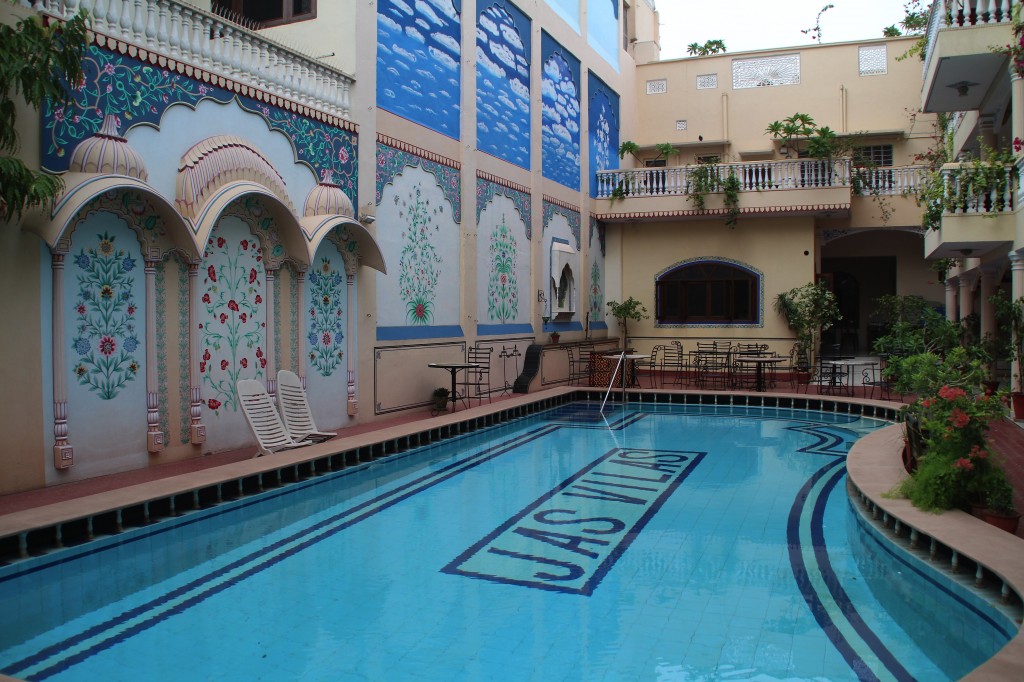
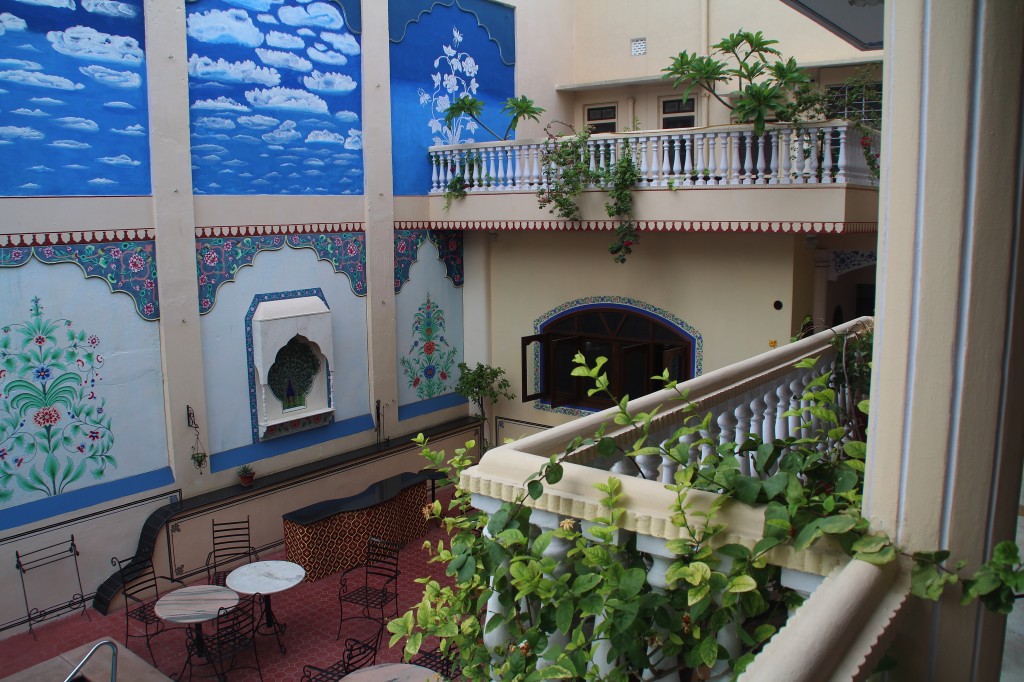
We visited Anockhi yesterday, leaving the kids at Jas Vila to fend for themselves at pool side with the travellers from Chile, France and the U.S. as we headed out into the heat.  They are all ‘forted’ out and preferred the pool and the zircon and the Sky Movie channel.
 

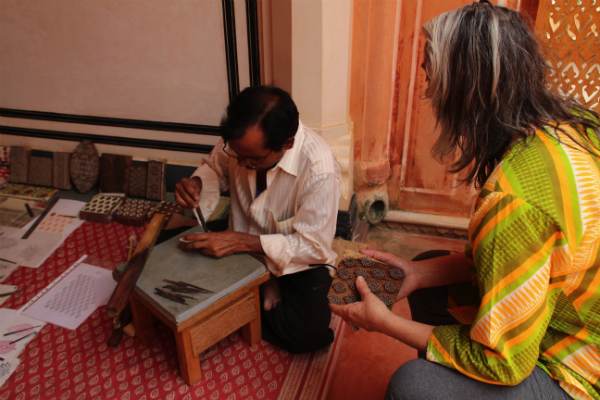
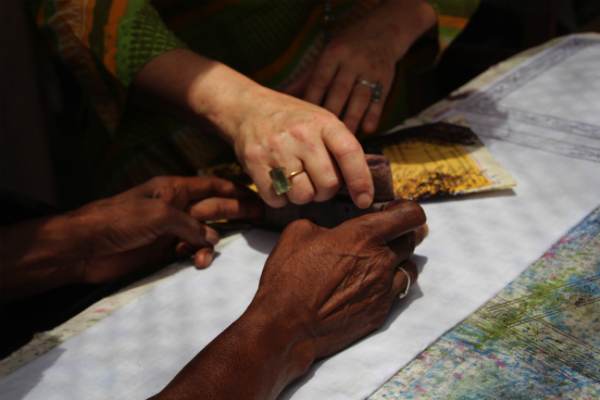
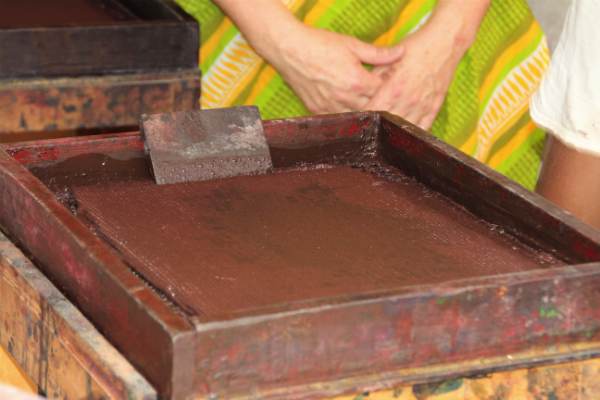
The Anokhi Museum of Hand Printing is dedicated to the collection, preservation and interpretation of block printed cloth. Exhibits and educational programming highlight various aspects of this ancient craft in order to strengthen appreciation for a living art form.

Serious challenges threaten the future of block printing.  Technological advances compounded by rapid social change affect the delicate balance between handmade textiles and modern manufacturing. Although a venue for scholars and lay people alike, the museum above all welcomes craftspeople to visit and appreciate their work with renewed enthusiasm and hope for future generations.


Thursday Morning, Jaipur

The children are sleeping, the peacocks are screaming. We love our small hotel.  It is quiet and cool.

Today we are going to the Observatory and then going into the old town to brave the bazaar.  Later this afternoon we are going to see a museum of block printing, where there is a collective of women who make lovely fabrics.  Jaipur is famous for fabric,  and gems and carpets.  Is is called the Pink City, not after the colour of the stone, but because it was painted pink for an English monarch who came to visit.

Josephine.

Comments Open

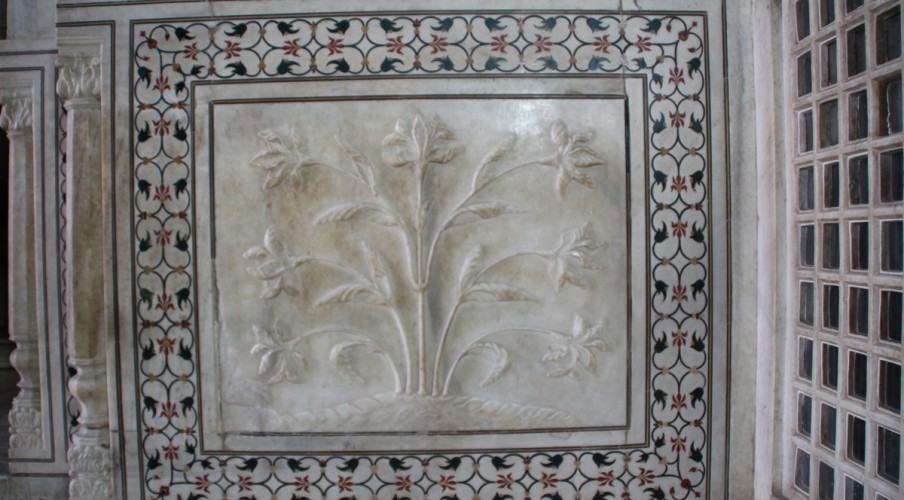
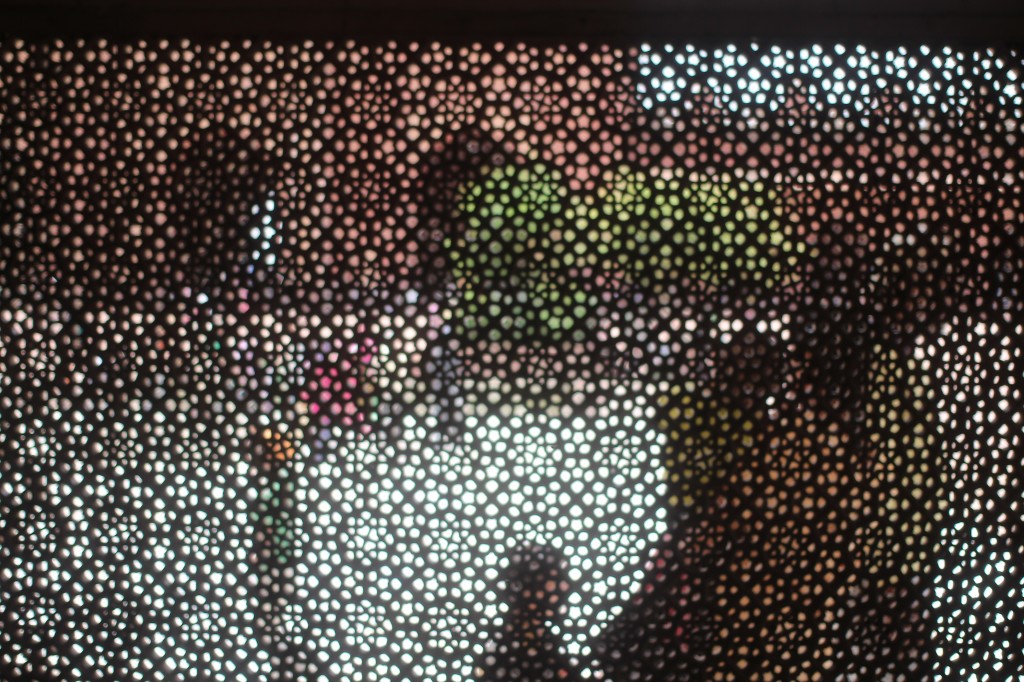
This screen was carved from a single piece of marble and can be found at Fateh Sikri.

Oh! Thanks for the feedback: you can now place comments.