Posts By Chris

Meiduo, Kushi & Kushibu

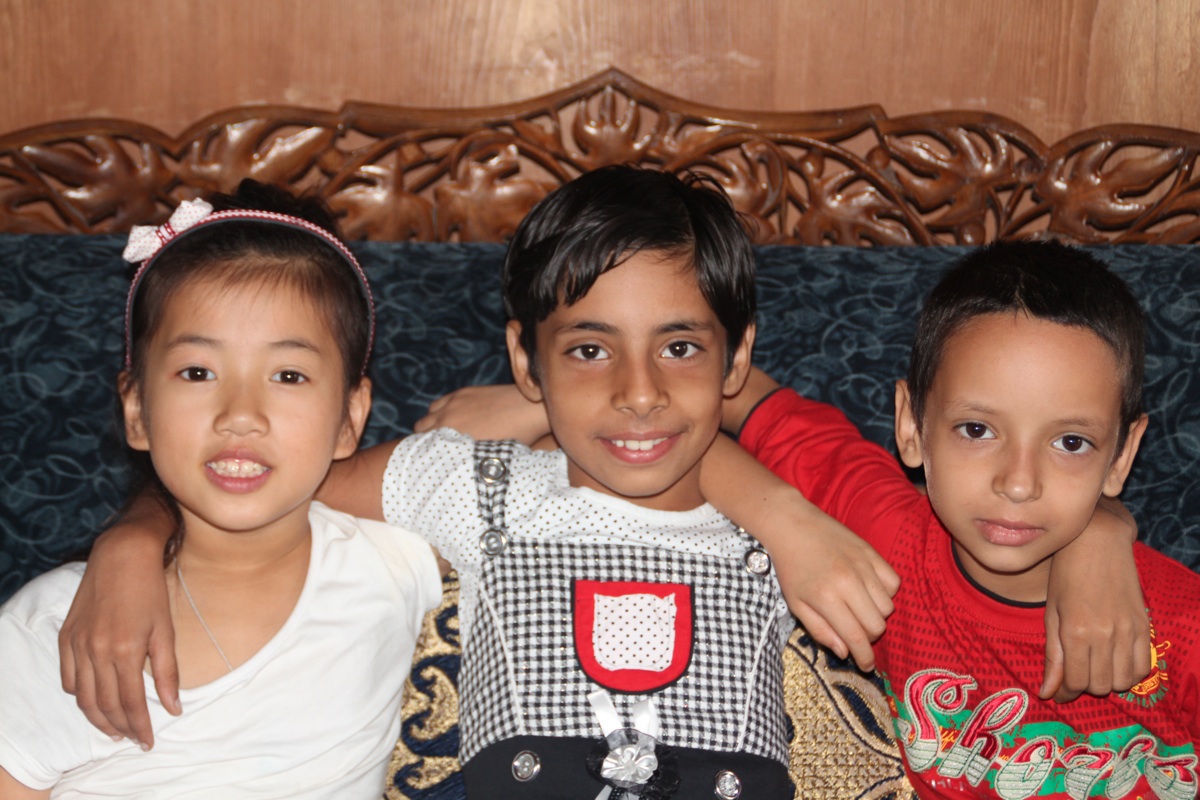
The great thing about houseboats is … well there are houseboats next door, and they might just have some sisters from Delhi to play away a few days with … and maybe a sleepover when we get back to the the big D.

Muslim Chushot (at last)

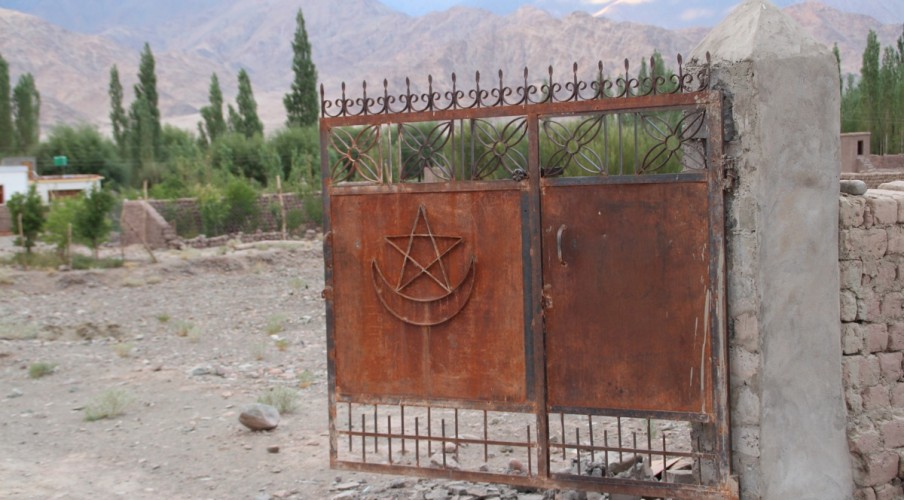
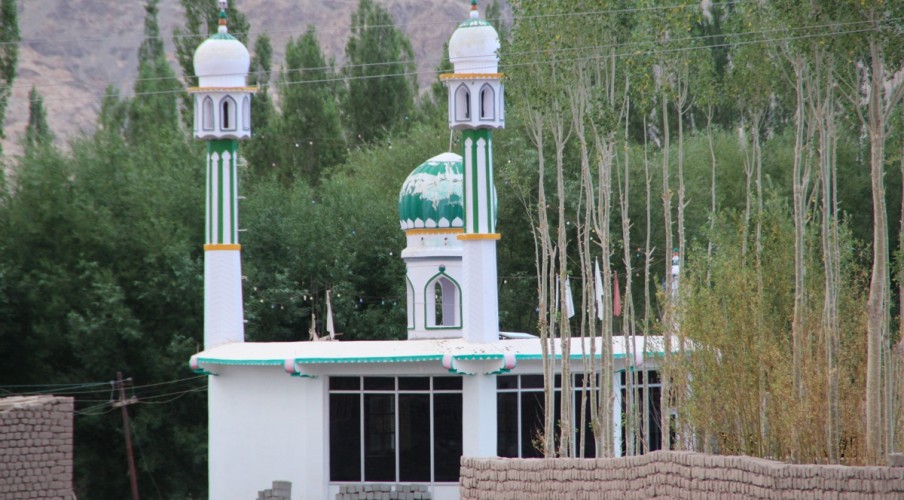
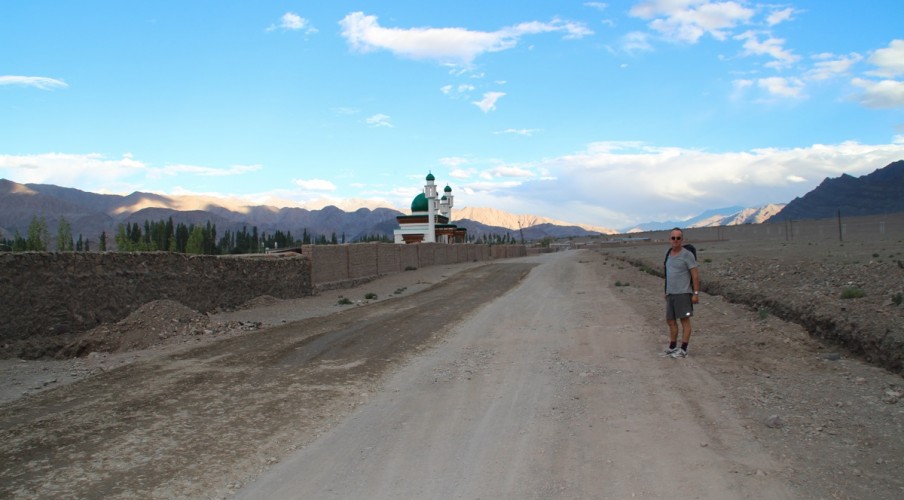
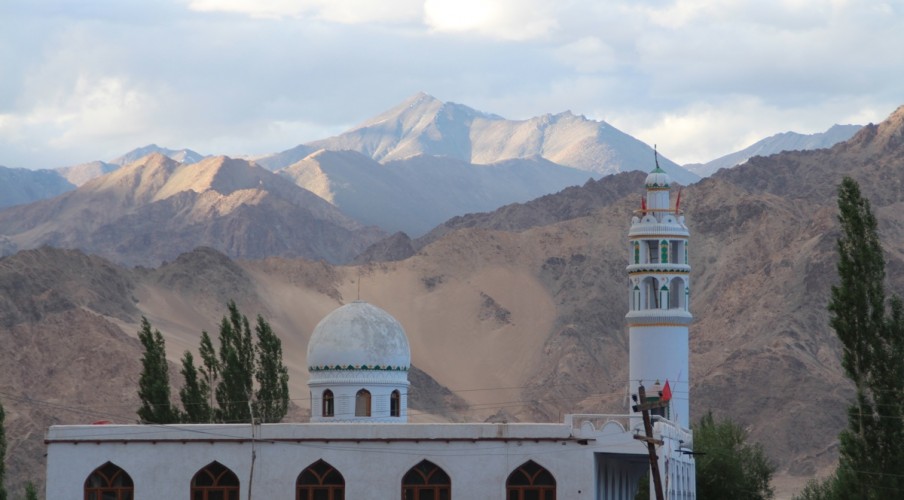
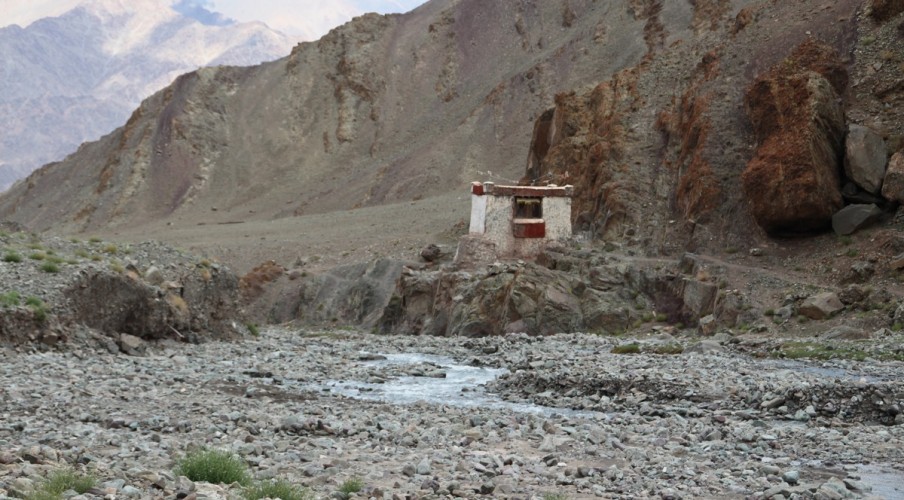
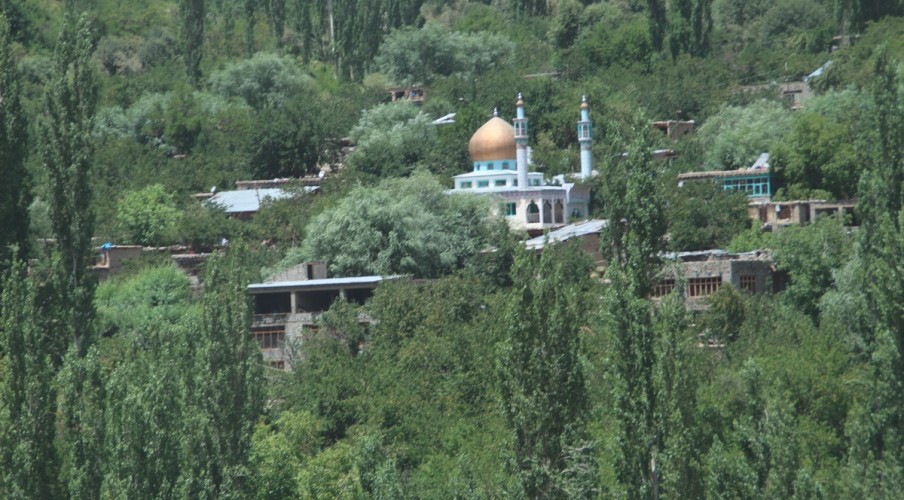
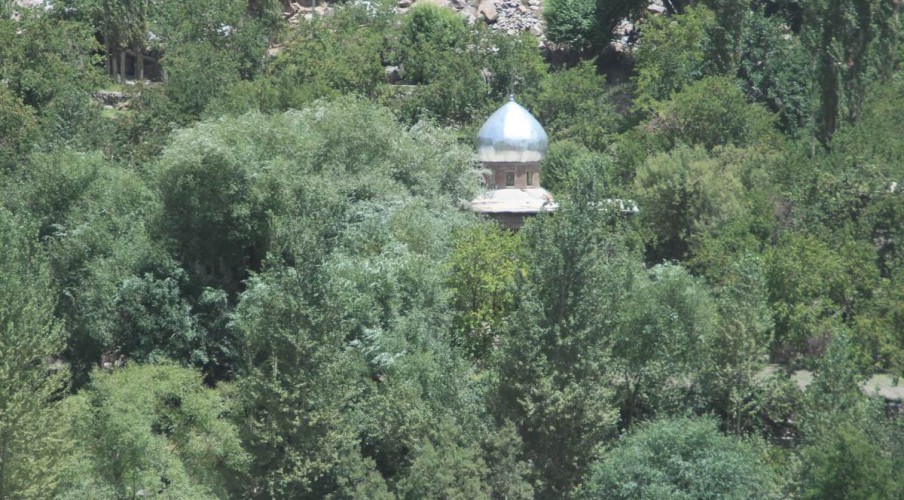
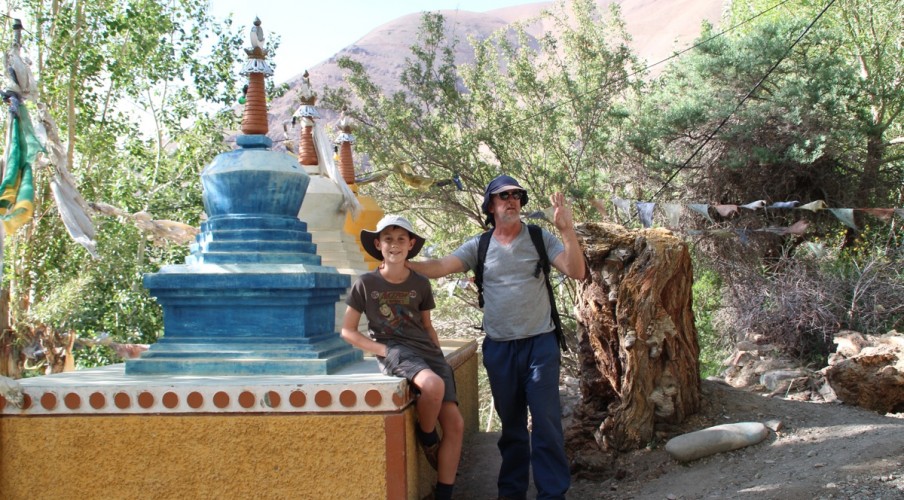
We finally made it to the Muslim enclave of Chushot and it was worth the long walk … it is said that the local Shia population have strenuously kept their religion and culture, except for one thing, they have learned to be happy, like their Buddhist neighbours.  Phuntsog refers to his Muslim brother in Chushot, and we certainly found everyone welcoming.  In one of the pictures of one of the three mosques that we have taken through the trees, you can see a beautiful Buddhist chorten coexisting happily with the mosque next-door.   His Holiness the Dalai Lama made mention of the warm relations in our local community in his recent teachings and press releases.

Xavier and Chris are about to set off to the Diga La (5400M)and an overnight camp at 4700M.


Himalayan

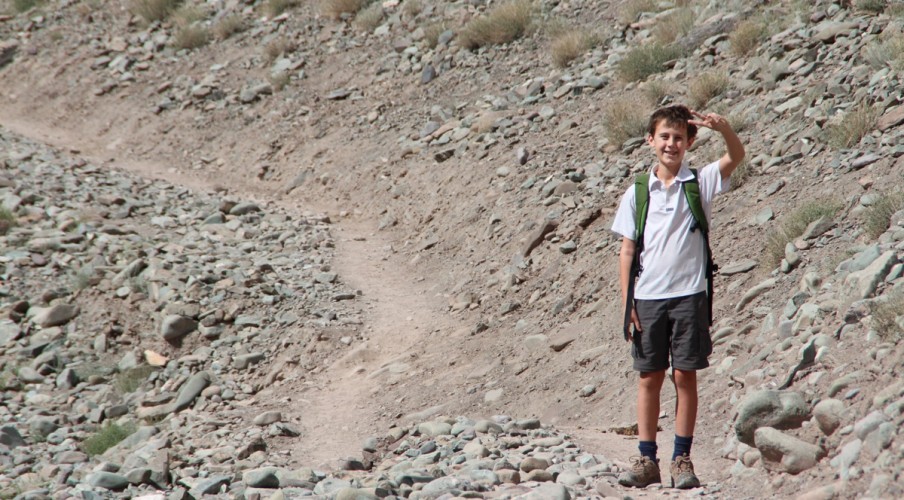
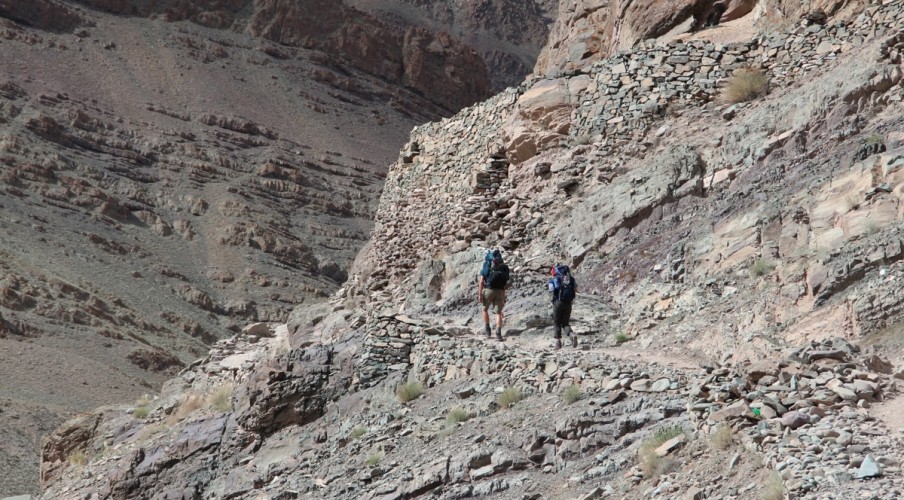
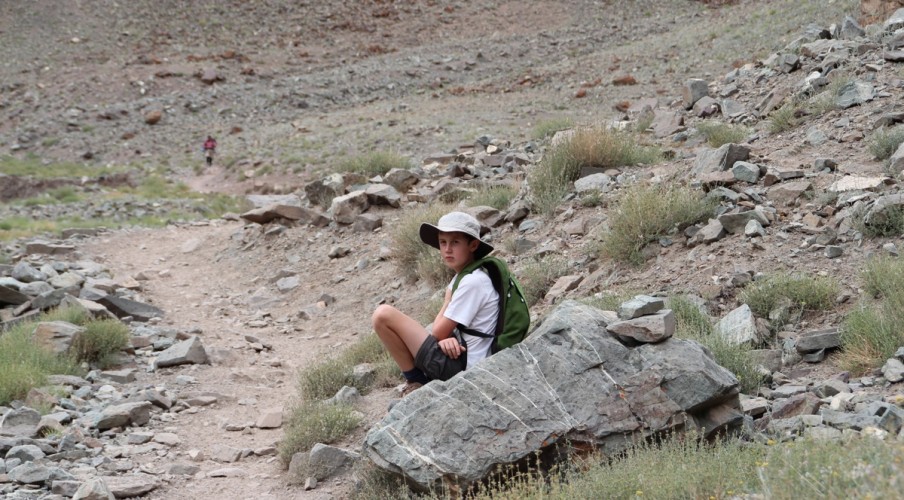
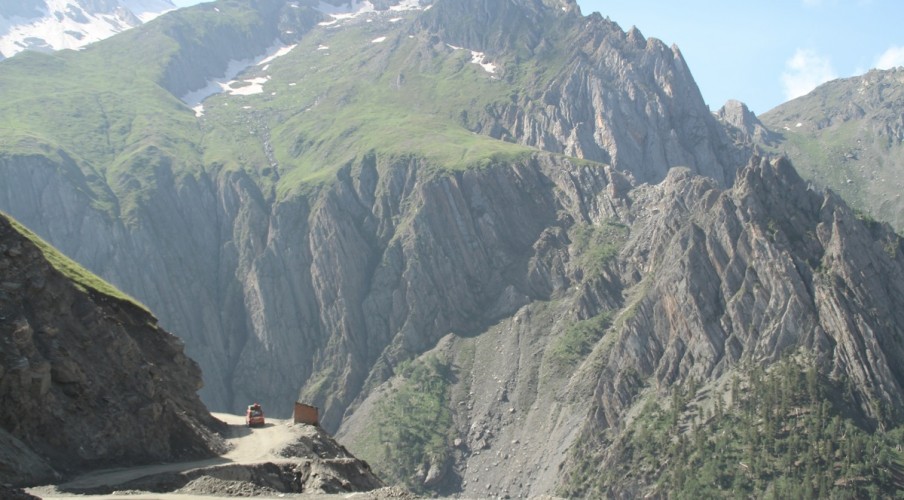
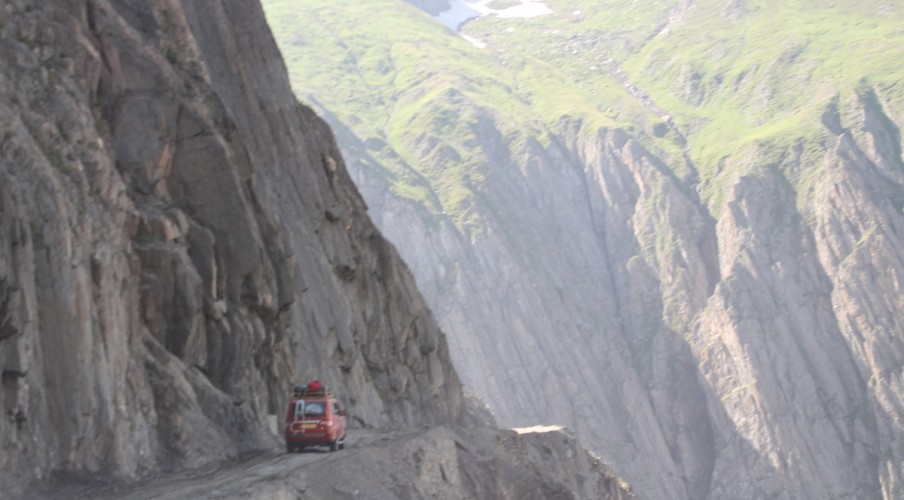
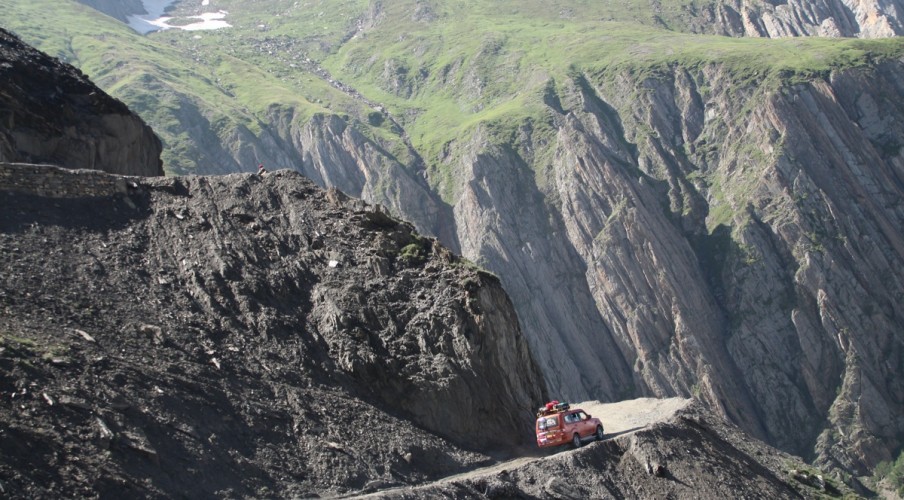
A trek up towards Stok Kangri base camp was our first min trek and despite some trepidation in the ranks, it all went well.  The track was safe (only one critical bit – “don’t look left” … i.e. over the edge and 20m down into the river).  Xavier was great and enthusiastic about going high … this time we made it to about 4000m and then turned around and cruised back to the beautiful village of Stok.  On the trail were mainly climbers heading up to the 6000M+ Stok Kangri.

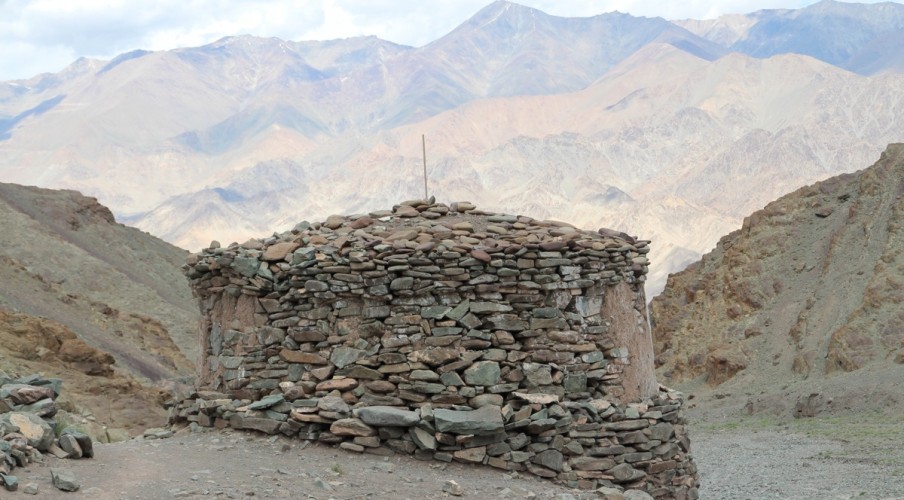
This weekend I’m taking Xavier on an overnighter to the 5400M Diga La, one of the passes into Nubra, all I need do is get the stove to work (along with all the 15yo climbing gear I have with me!

Teachings

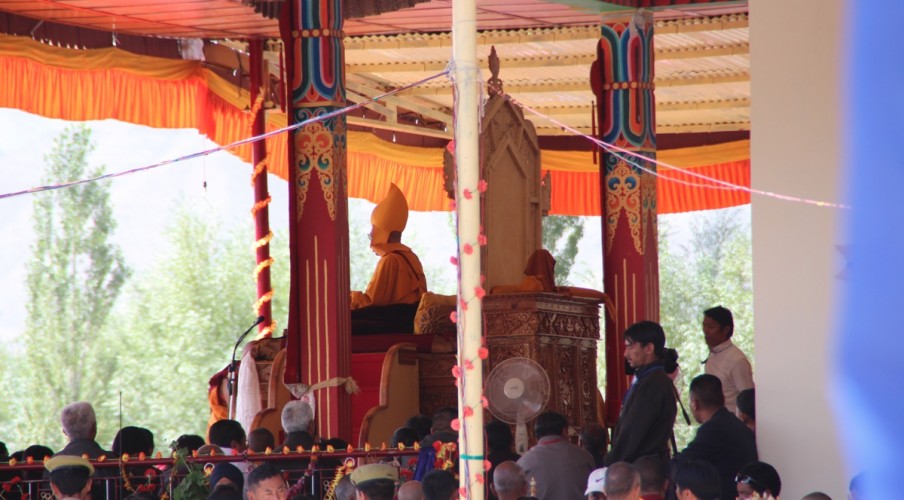
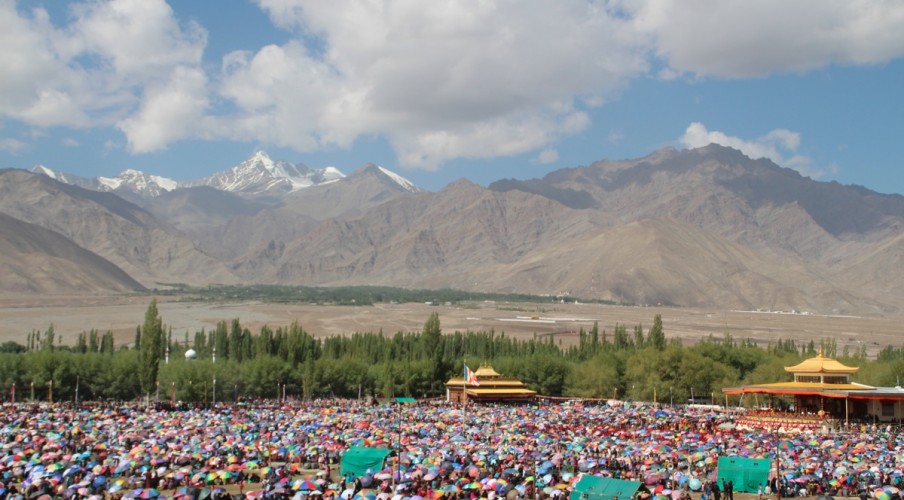
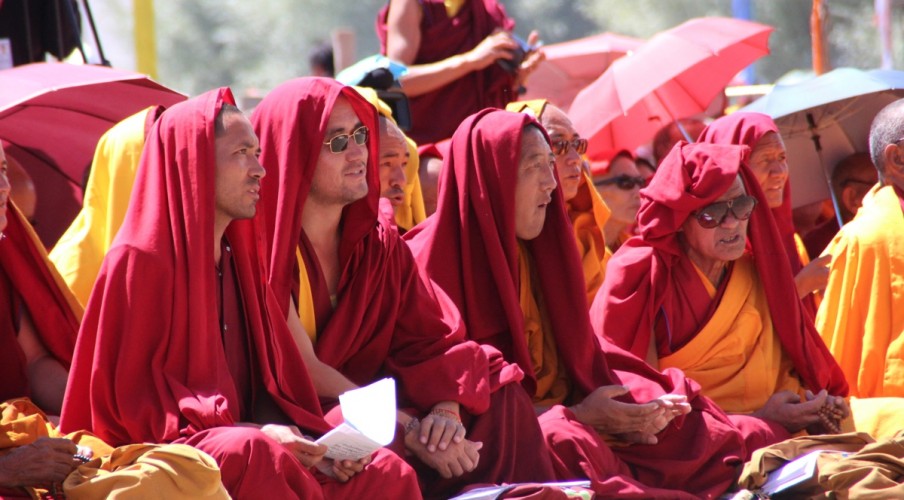
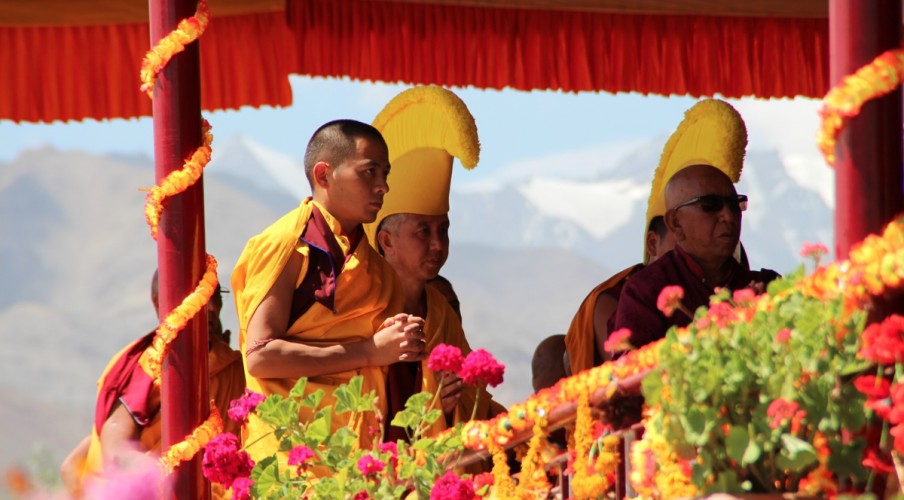
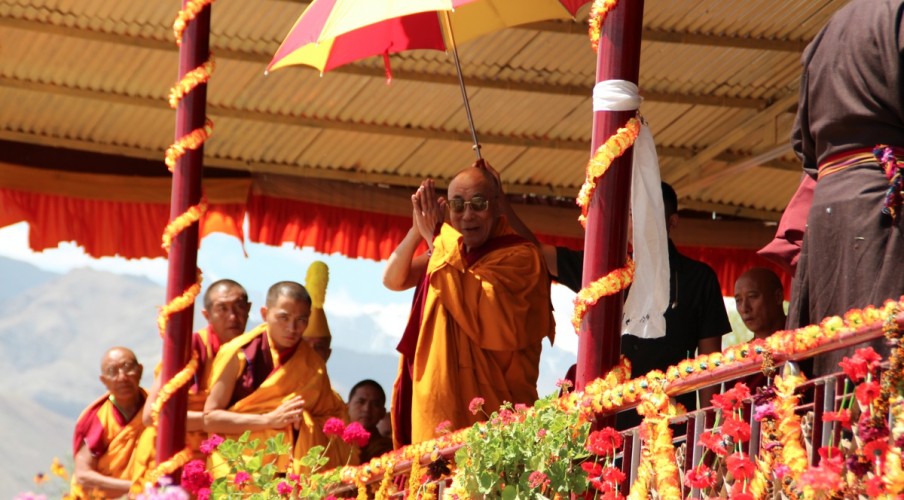
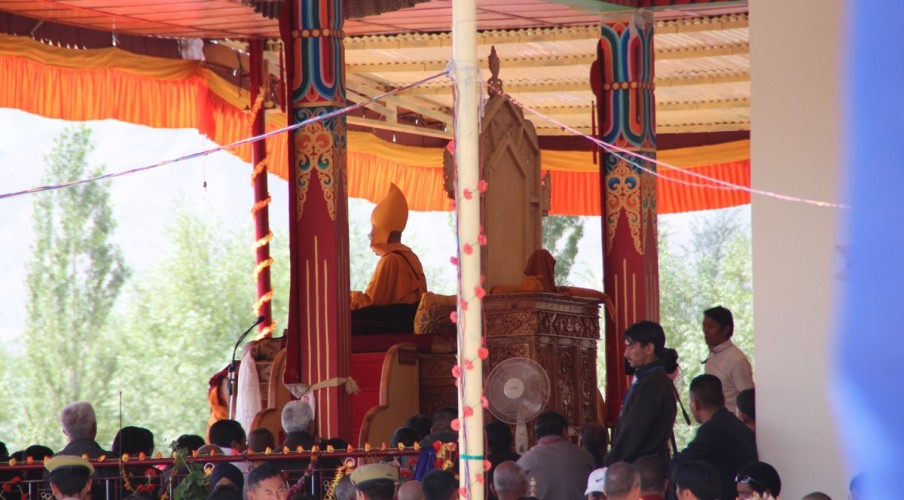
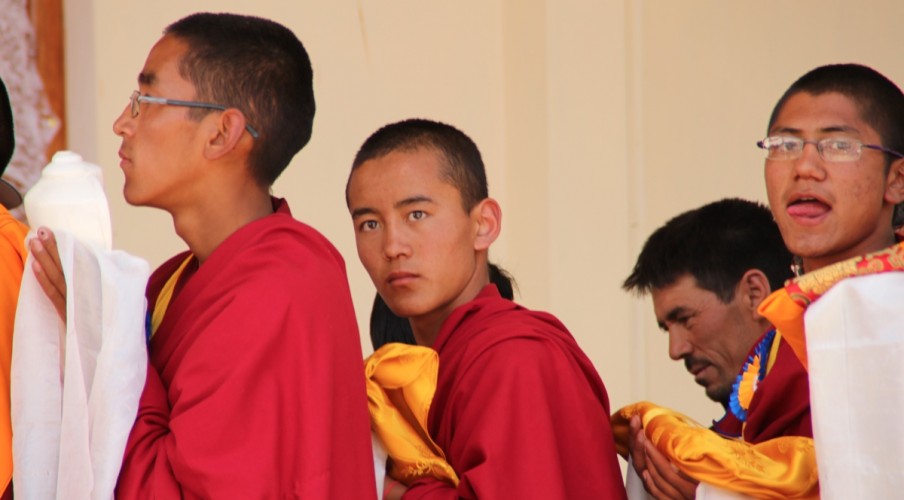
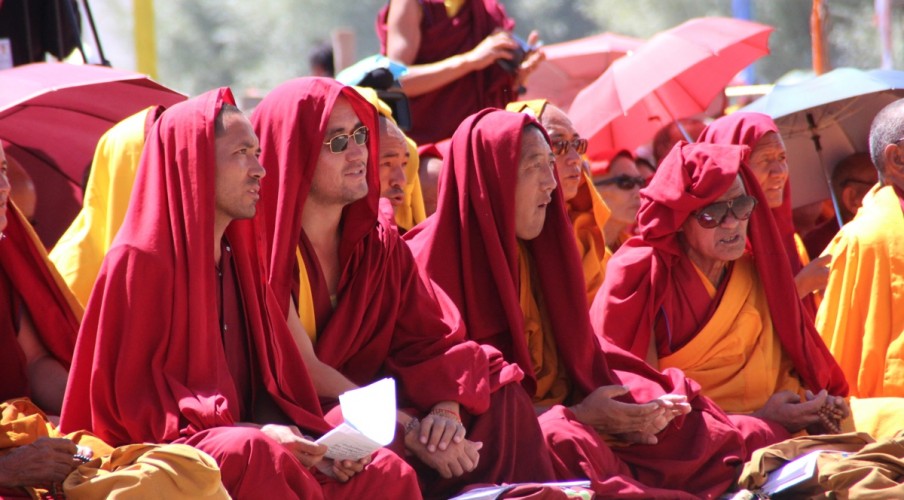
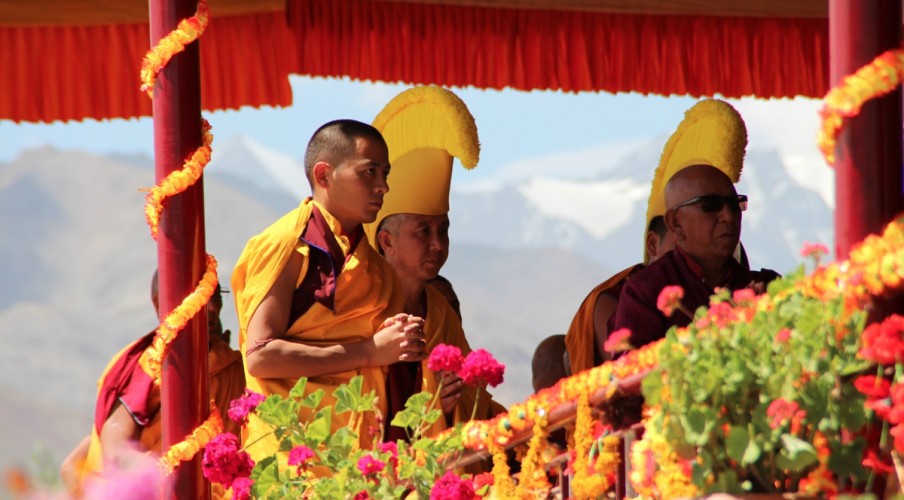
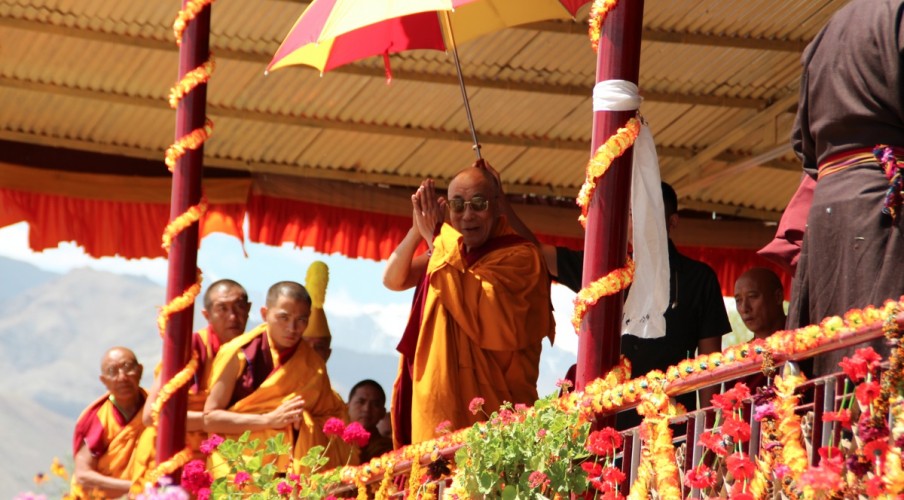
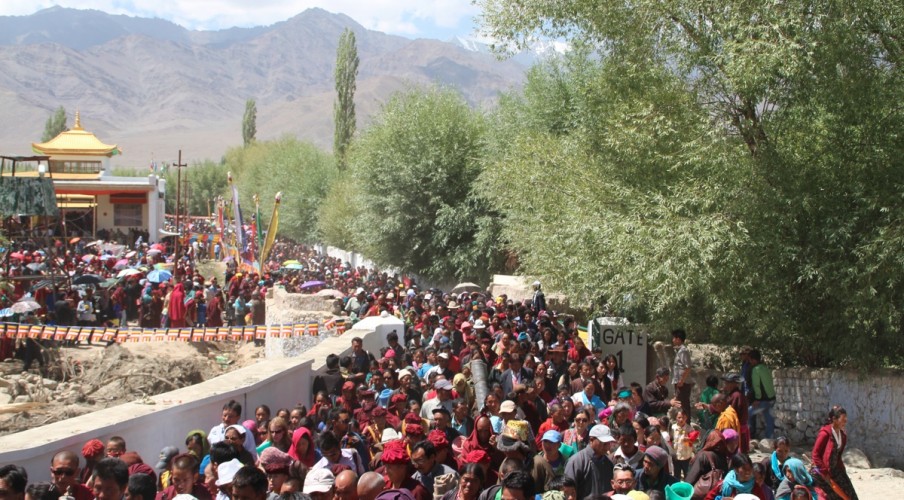
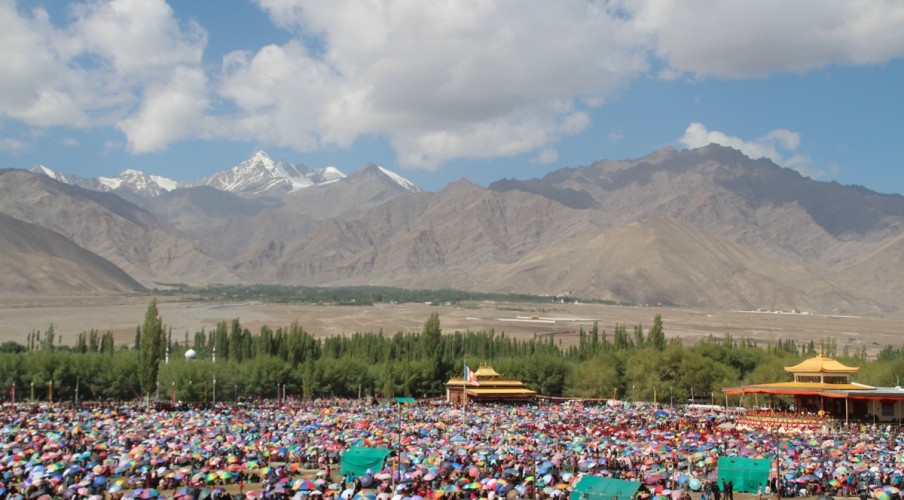
We managed to get to the last day of the Dalai Lama’s teachings in Leh.  For the first three we were holed up in our hotel catching the Olympics when the power was on, and generally recovering from several days of hair-raising travel up into the Himalaya.

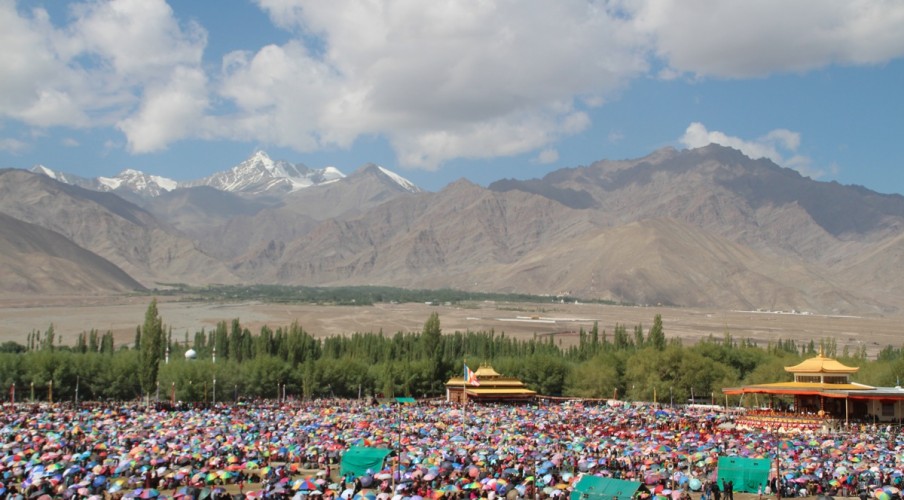
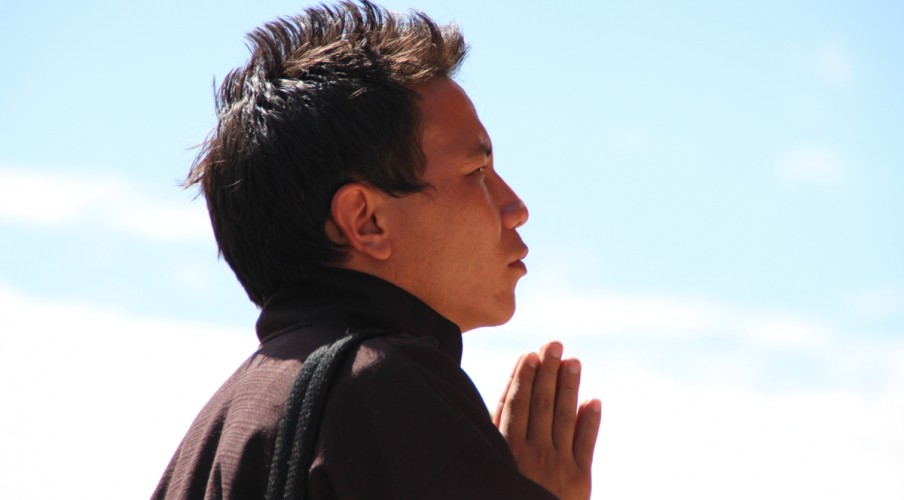
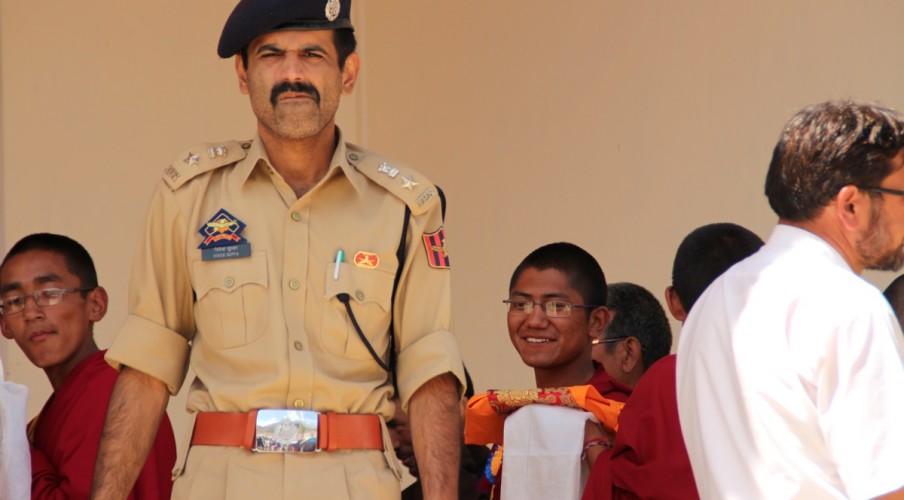
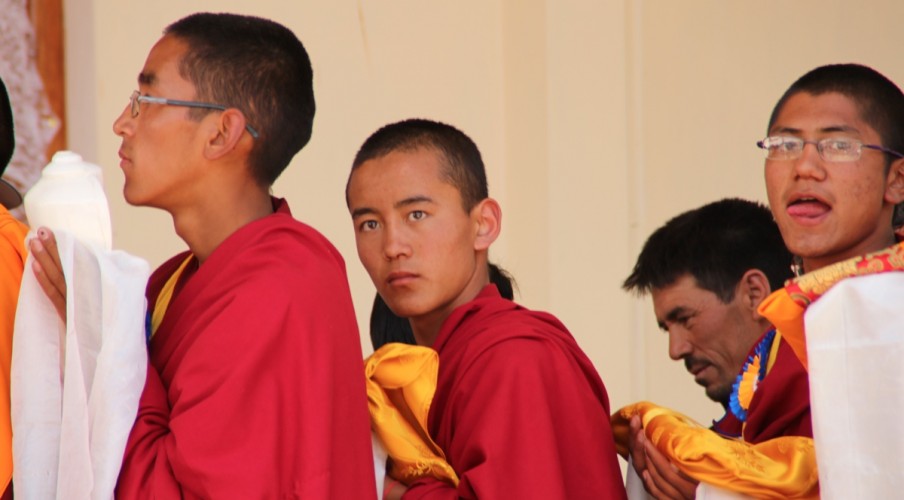
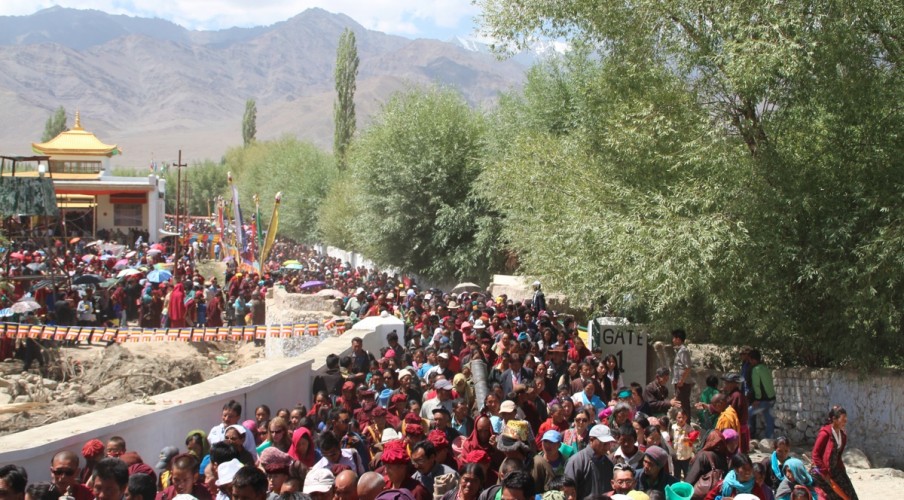
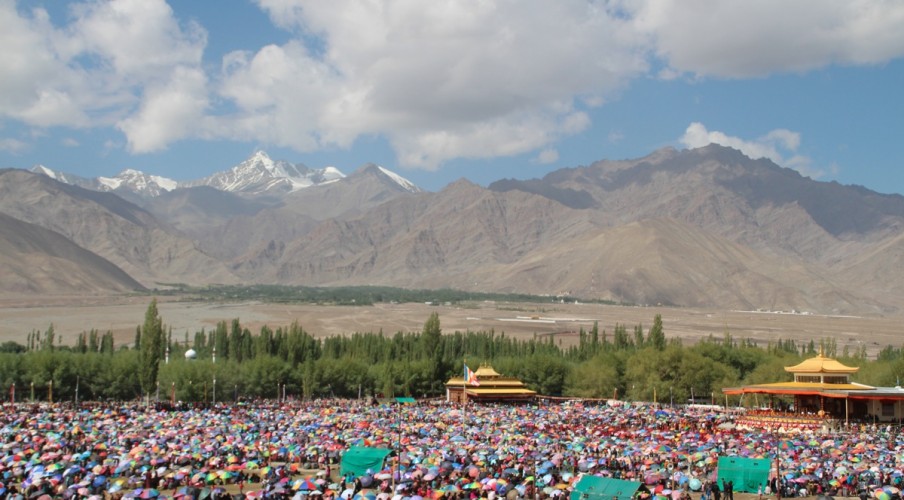
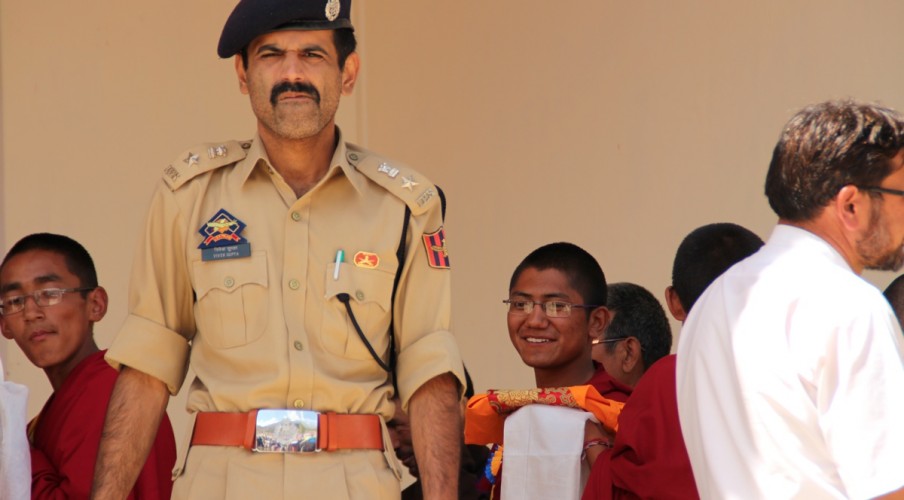
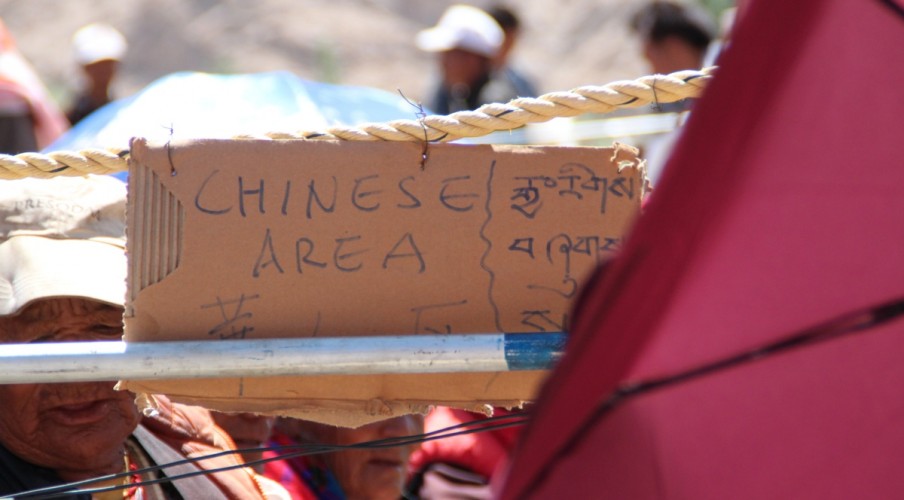
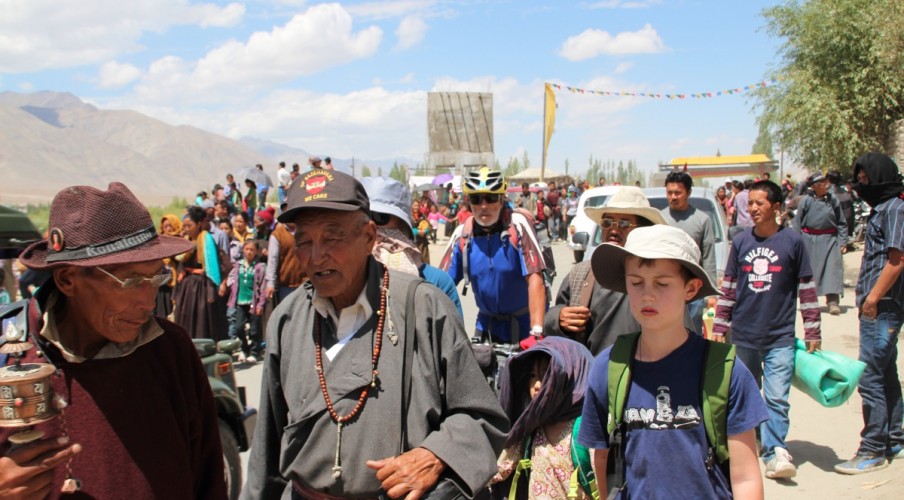
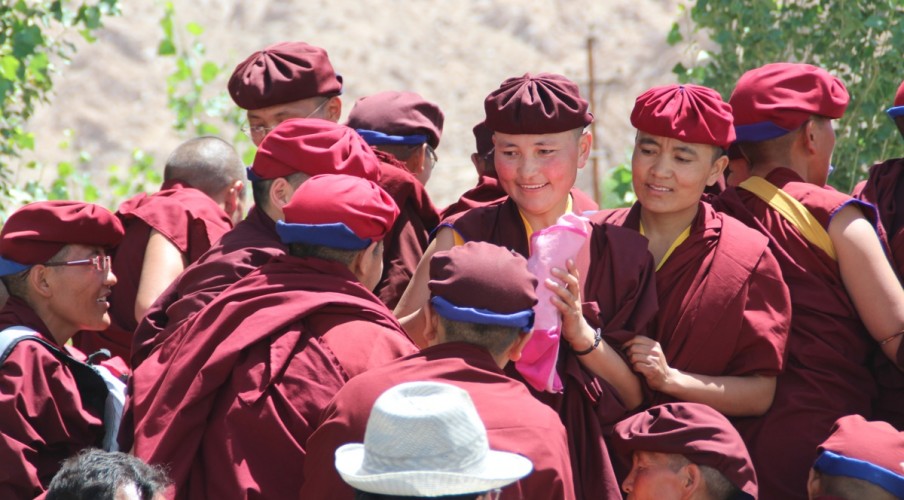
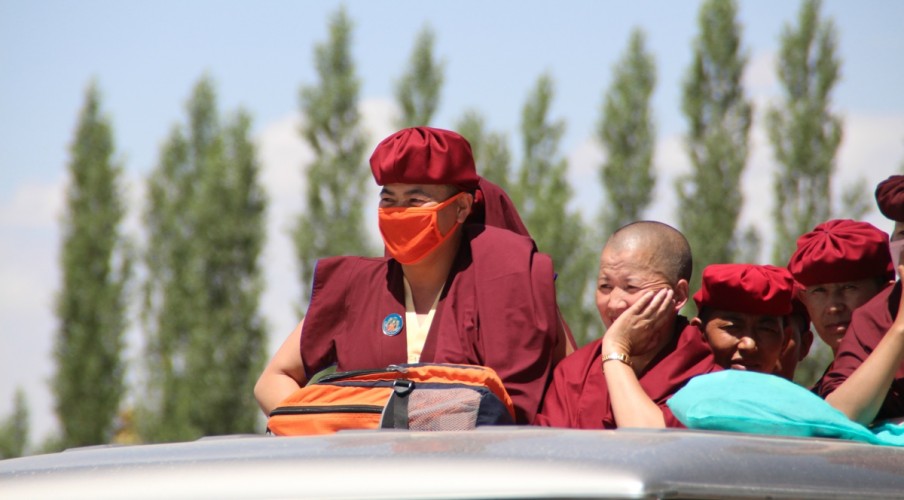
His Holiness comes every few years and the whole valley stops … even the doctor we had come to the hotel suggested he couldn’t do any visits until the afternoon, when the teachings finished for the day.  The bustling town emptied, the fields emptied, literally everyone attended, even us non-Buddhists, on the last day.

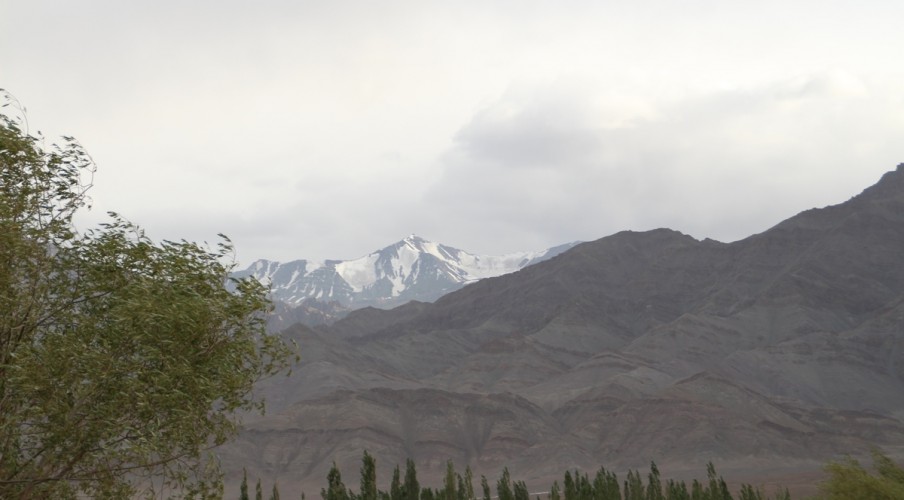
Snow capped peaks in the distance, reincarnates by the dozen, it was not to be missed.

Comments Anyone?

Thanks for reading A Traveller’s Tale!  Producing regular entries is sometimes onerous and sometimes impossible, due to lack of connect to the WWW, or even lack of power and often we are just too busy. But we try, and knowing that there is interested readers is important to us and is another way of keeping the kids connected to home (they do get homesick).

We have been getting some queries regarding subscription and comments.

Subscription should be easy – just key your email in the space at the bottom of the site and enter it.

Comments have been proving trickier. A Traveller’s Tale uses Word Press  [WP] software, so the ONLY way to comment on the site is to click on the blog entry you wish to comment on, so as to bring it up as a separate page.  You will then get to comment – and see other comments as well.  The number of comments made for a particular entry is shown at the top of any particular entry.

This is a WP protocol: if all comments were shown on the actual site, as opposed to on the individual separate blog entries, the site would fairly soon become a string of comments (like on a Facebook page) and would distract from the original content.  Well that’s the argument – I have tried to modify this, but have given up of late, as the technical issues compound when you start tweaking.

I have loaded a social media button if you wish to share through sites like Facebook … but if you do, we do not necessarily see the comments, unless we are ‘friends’ …. Getting the full Facebook site to work is actually hard, so we are rarely on it.

Please email me at chill60@gmail.com if you need support!  We like comments – so please do!

Monday Afternoon, Leh, Ladakh

Today, we had our first “full-day” at Druk Padma – thank god!

It hasn’t been easy for Xavier and Mei, but it has been hard on the parents as well, and getting them both established at the school has been pretty tough going.

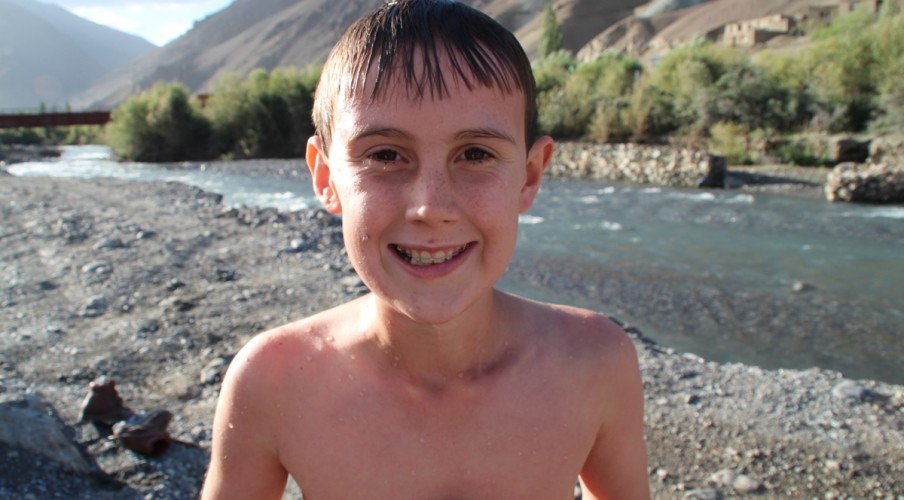
Xavier has had a series of chest infections and been run down by the stresses of non-stop travel and altitude (as we all have been).  It is an alien environment for us: the exposure burns faces and lips in a few minutes, and you are reminded of the altitude when a few swiftly taken steps leave you breathless … and Xavier MISSES Perth tremendously, or at least his Nedlands friends and the football season and … but hey, this afternoon he went with Nilza and Mei to milk a cow and came back laughing with delight.

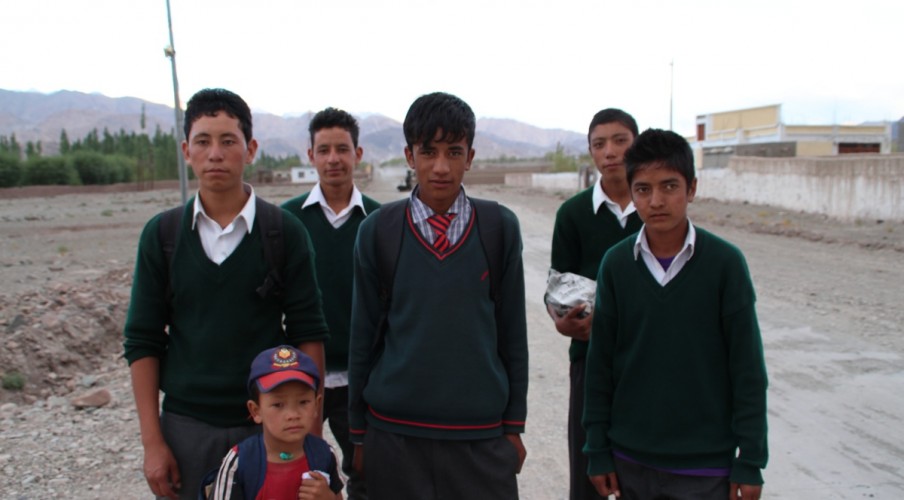
Now he is finding his feet amongst the Ladakhi students and accepting of the early morning prayer sessions conducted by the Lama, the karate and of sitting through three language classes a day (Hindi, Bothi and English).  He likes the maths and the IT best.

Mei has been homesick since about Hong Kong.  A week ago we were eating a great meal at one of our Leh favourites, Chopsticks, when she remarked that she thought it possible to ‘do’ India in a ‘few nights’.  That was about as long as she would need.  She wanted to go home the next day (maybe via Paris).  Because we have had such wonderful homestays with Meera in Delhi, Latifa in Srinagar, and now Yandong and Phunshog in Shey, Mei has been able to make homes on the run.  She is wonderfully resourceful and charming!

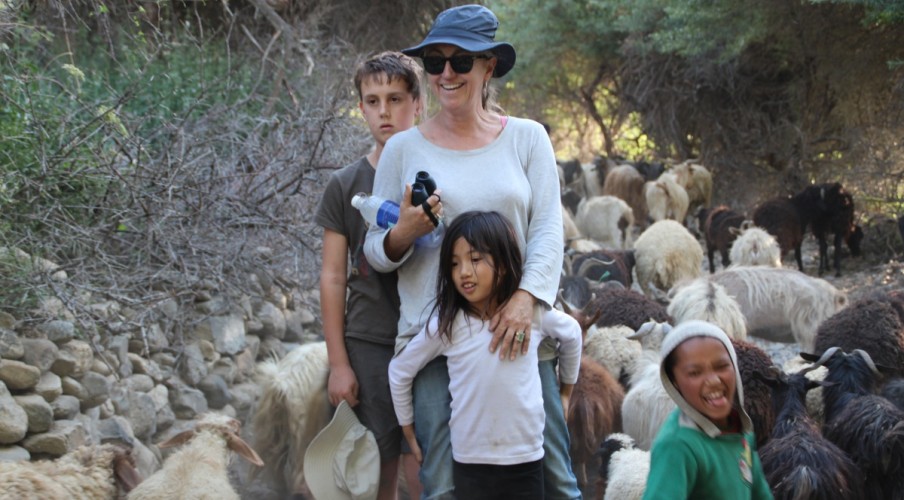
She is also the centre of a great deal of attention.  Before we left I had thought Xavier would have got more, and while he does get some attentuon, it doesn’t compare to what Mei Mei has had to put up with.  We could have paid for the trip twice over if we had charged for the photographs the Indian tourists requested to be taken with her.  She has been hugged and squeezed, had her cheeks pinched, and been surrounded by slightly sleazy men all wanting a photo.  For some reason, perfectly normal families need her in their travel pics.

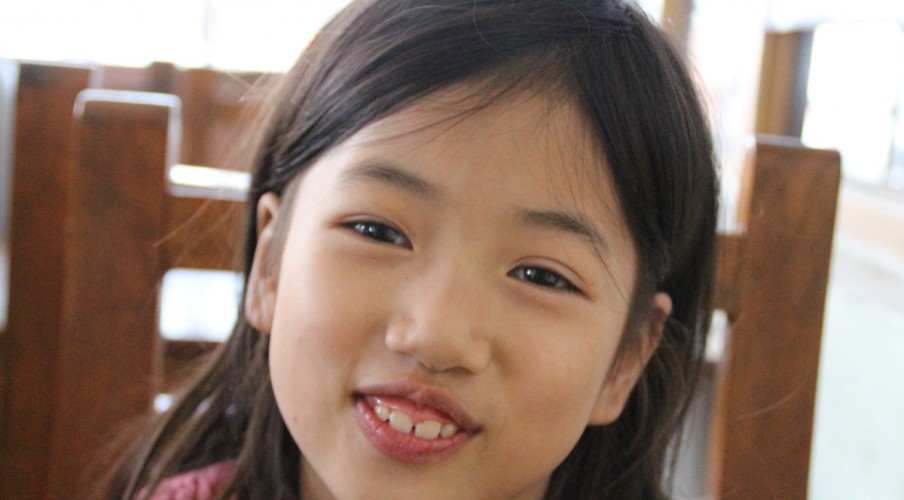
“Why do these people adore me?”

At times she has been confused and stressed, and sometimes a little chuffed.  We try to protect her and mainly succeed.

We have been regularly challenged by all manner of folk desiring explanations for her existence in our family.  The notion that a pretty little Chinese girl can ‘escape’ China and find herself within a ‘wealthy’ western family is just too much for their world view – and doubles Mei’s ‘exoticism’ (in their eyes).  Now, at the school, she can’t move without being hugged and poked at.  We believe things should settle!

 ****

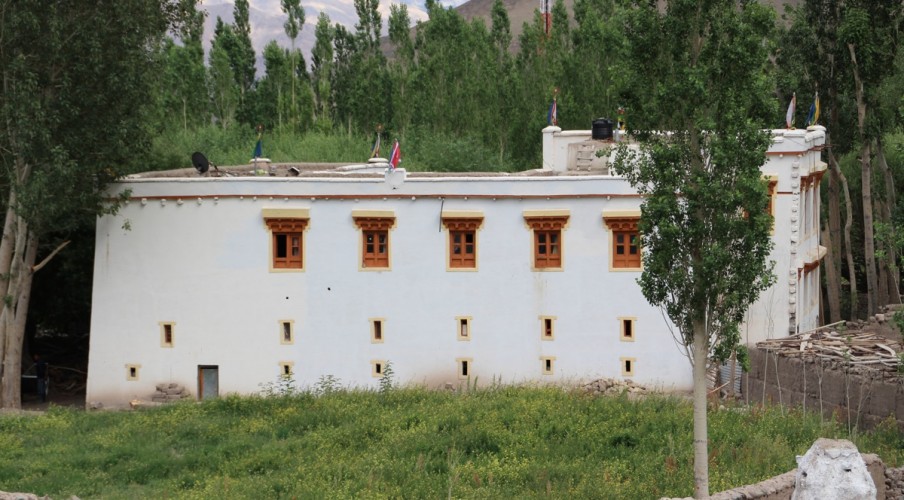
Anyway, after school we put up our feet in the shade at the front of our house and looked out to the new snow on the peaks to the east.  Books out, it was time to relax after a long day at the chalk face.  We are really loving Ladakh, sometimes it is very hard, but we love it.

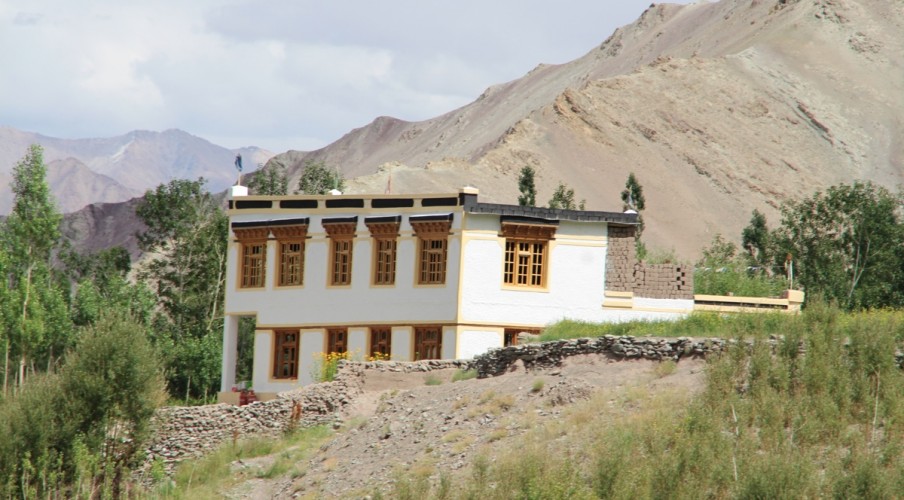
After a while,  Phunshog came home on his way to a local meeting and we talked of his need to meet local government officials and register what he has been doing with his land tenements.  Most families have several fields that they crop very productively through the brief summer in preparation for the long winter. In a few weeks we will help with the harvest (Mei helps with milking Uncle’s cow every few days).

On his way out Phunshog stopped and called me over to where a chick was lying on the path, still alive, having been blown from its nest.  It was very young, all its organs visible through its translucent skin, its eyes covered over, blue veins pulsing.  We could see its heart.  What to do?  We looked for the nest, to no avail, so he left for the meeting, leaving it with me to decide.  I couldn’t help but think this was a little bit of a Buddhist cop-out, given my impulse was to put an end to its plight.

I dealt with this little challenge and got back to my reading, then grandma came home … well, we don’t know exactly where grandma lives … she is just here.  Grandma is truly ancient, has the world’s worst chronic cough, and maybe the best smile.

She likes to just sit fingering her prayer beads, occasionally breaking into a  Buddhist chant under her breath.

Then the wind comes up and we retreat to the bedroom and some writing.
Getting over Srinagar

It has taken me a long time to get over Srinagar.  Even though we crossed the Himalayas and moved from the green  Sind Valley to the arid lunar-scape of Ladakh, I still found myself thinking about Srinagar.  Srinagar is a very Moslem place.  It was (and still is) Ramadan, and the muezzin called across the river every morning.  There is a kind of intensity and urgency to the place; our hosts want to engage with us, to talk politics, fundamentalism, what is was like to go through the last 18 years when thousands died.  They want to engage.
In a piece in an old Granta on India, James Buchan writes of his visit to Srinagar in 1997.  The place he finds is a shadow of its former self.  It is an occupied territory.

Srinagar, the chief town of Kashmir with about half a million inhabitants, sits at the western end of the lake.  It was always a place quite unlike any other, Old British guidebooks compare it with Venice – and the valley with the Southern Tyrol, but to paddle through its canals at sundown between rotten wooden buildings and sagging houseboats aground in the filthy mud is to feel far from Italy.  The mosques have corrugated-iron roofs and canopied minarets that might have been designed in Iran but fabricated in Tibet…This phantasmagoric city, an unimaginable mixture of Istafan, Lhasa, Sunningdale and the Underworld, which seemed to me on earlier visits to be suspended for ever in its particularity, has altered out of recognition.  No doubt all famous cities should be imagined in their ruin.

That was long ago.  Stability has returned, and the place is full of shikaras ferrying Indians from the South  around the lake to escape the terrible heat. The Indians stop in the middle and don bright red and green costumes to have their picture taken, presumably in some kind of re-enactment of the days of the Maharajah. We see an odd boat of pale Germans off to buy pashminas.

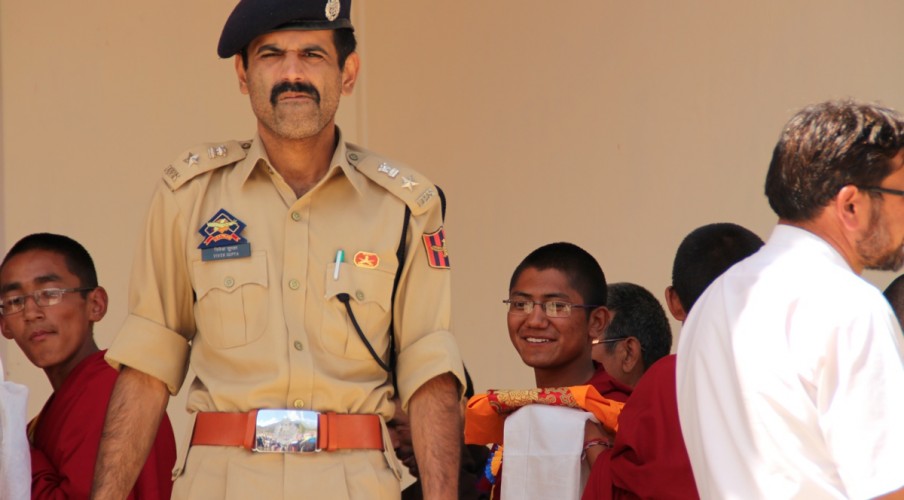
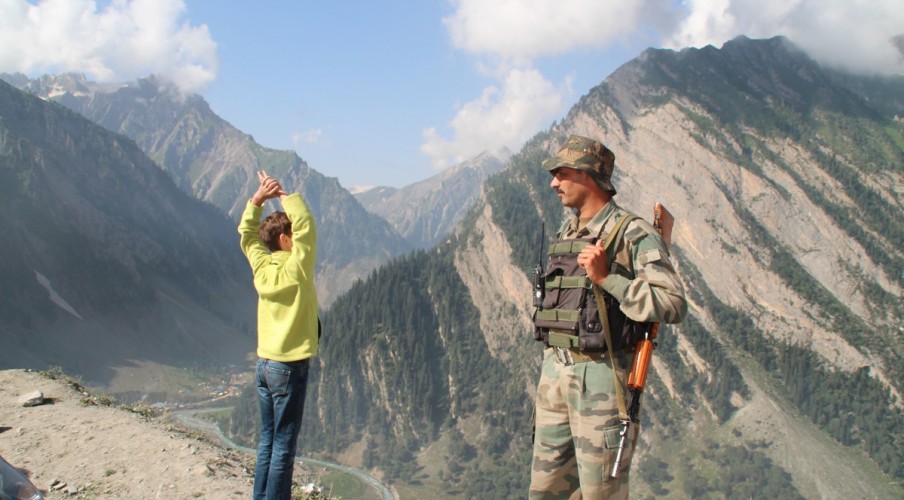
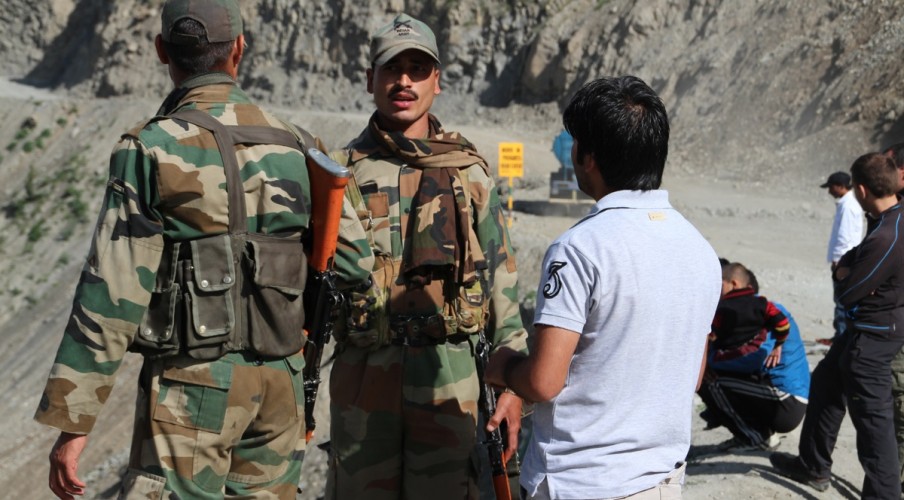
There are still plenty of police around.  More than we have ever seen in our lives. They have large guns and moustaches.

Boats pull up at our houseboat to sell us jewellery, to hem our clothes, to show us old postcards.  The man selling postcards has been doing this since he was a child.  I press him for more old photos.  He returns the next day.

It is beautiful on the lake, but it is a bracketed beauty, inherited from the long history of the lake as an image.  It is a surface beauty.  I have to work hard to ignore the rubbish floating in the lake, the plastic bottles and empty crisp packets.  I try not to worry about the thick green weed choking the water, or about the lack of environmental consciousness of all and sundry.  I have a mild bout of stomach cramps.

Our boat is old and in desperate need of being dragged into the 21 century.  Our hosts are attentive, ever-present.  They have brought their lovely mother in to cook, thinking that we need English food (which I call Pashmiri cuisine, a strange mixture of 1950s Pommie and Kashmiri).  We tell them we like Indian food, Kashmiri food.

There are no coffee shops.  We buy a beer from a fallen Kashmiri, who everyone knows sells all kinds of illicit wares.  Later we hear he was arrested.

From Leh we read in the paper that thousands of fish have died in the Lake.  A mysterious death, the newspaper says, but there are no real mysteries when you see the choked wetland and the dubious waste management.

Srinagar is recovering, but it needs to be challenged by visitors who ask for more of this place; more of its rich and diverse openness to influence.  Less of the same, more of the different.

Josephine


Our Chushot Evenings

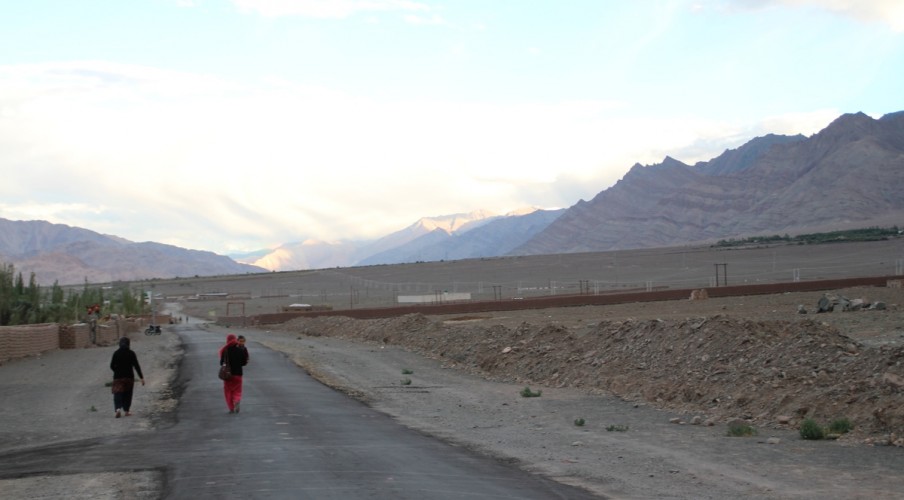
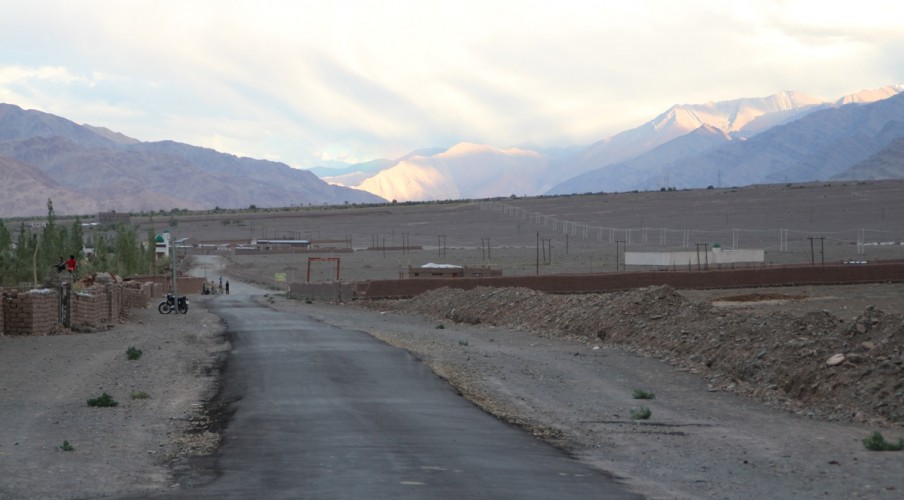
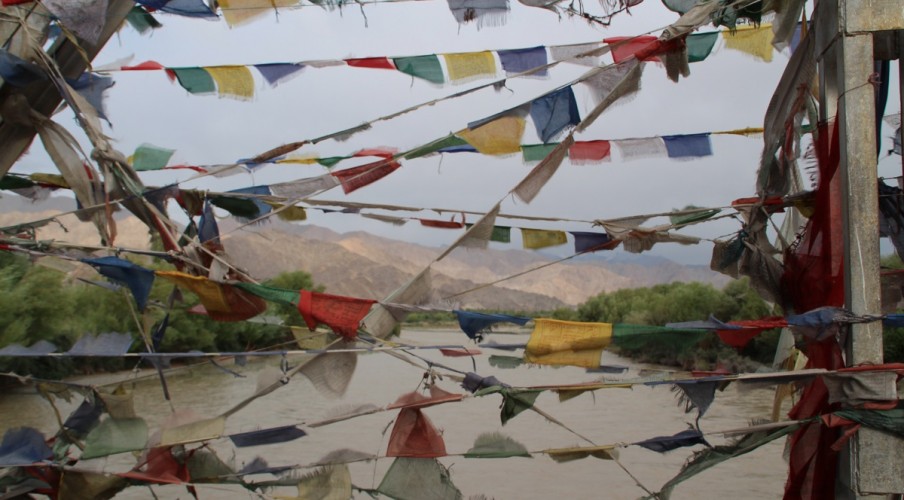
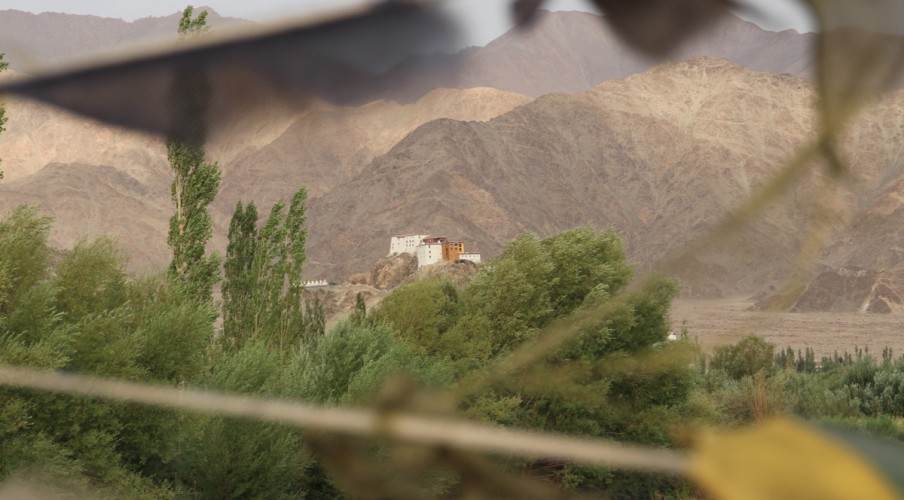
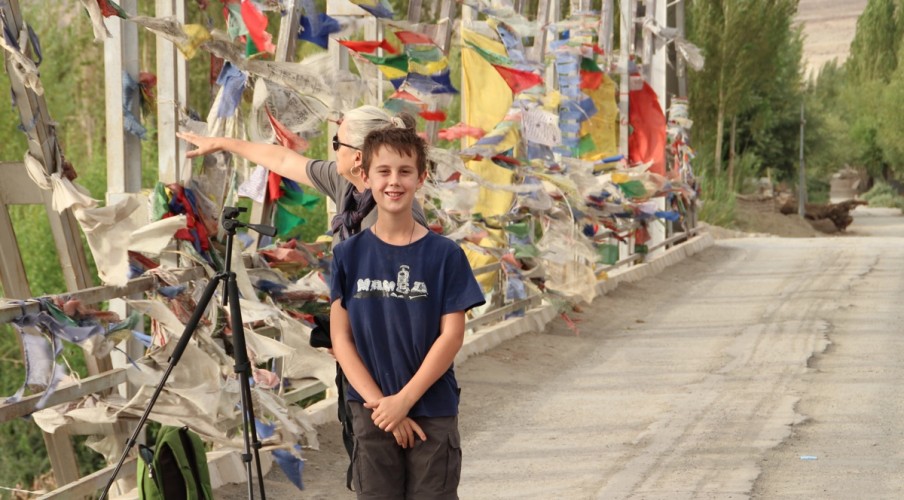
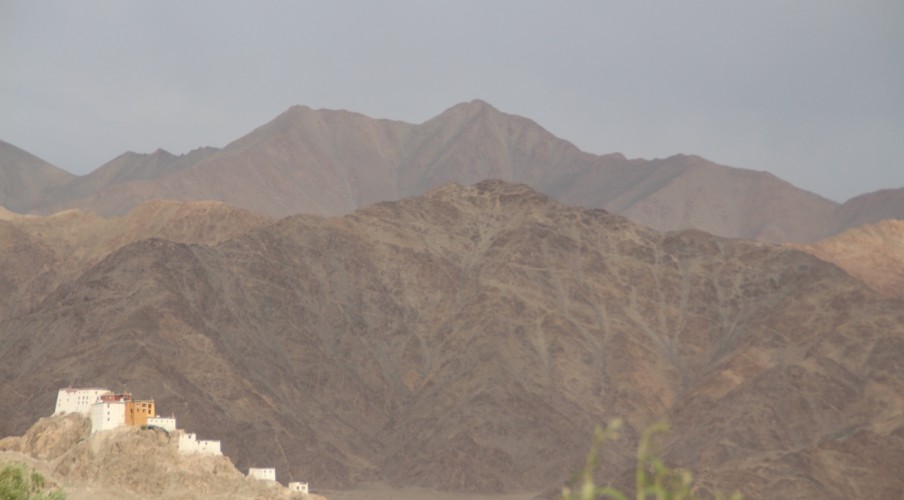
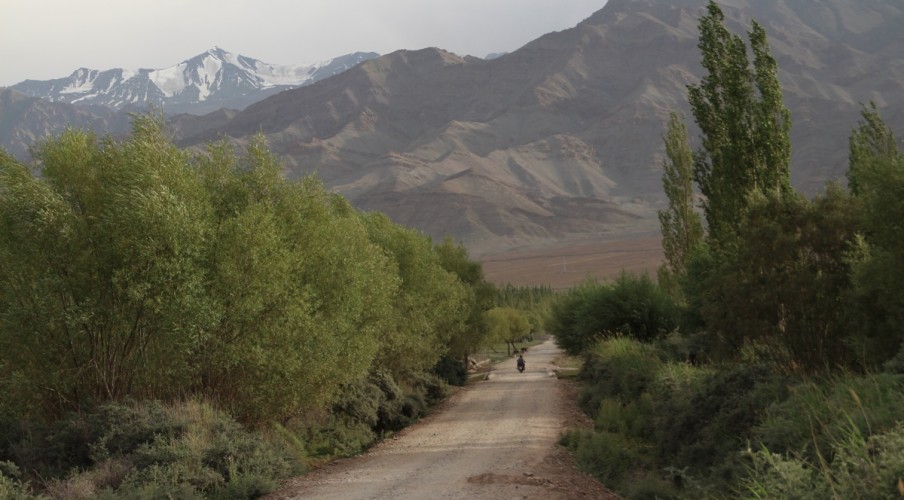
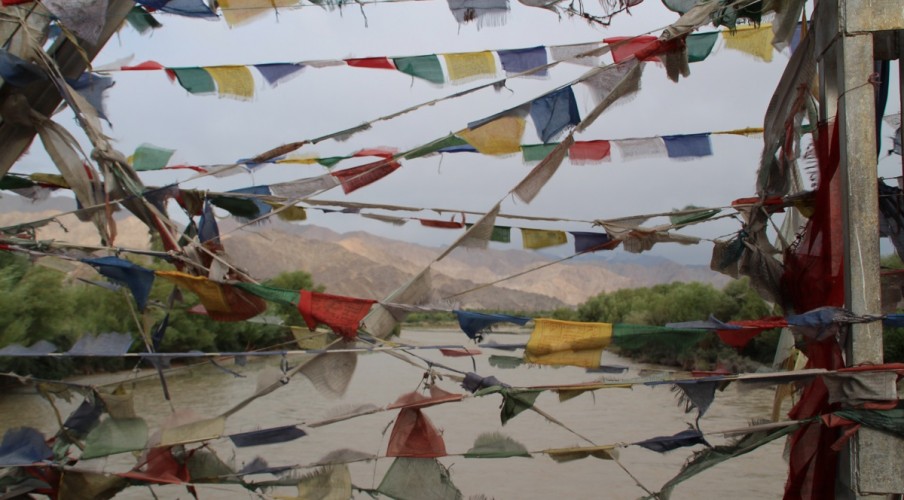
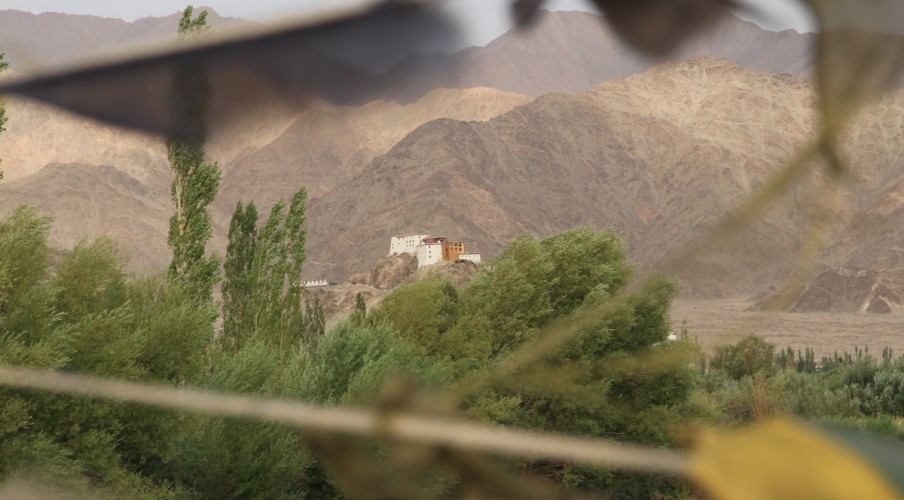
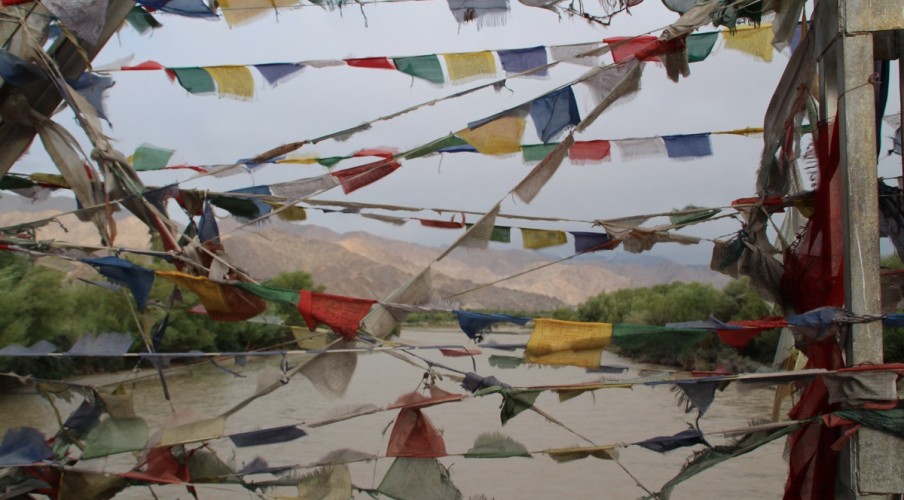
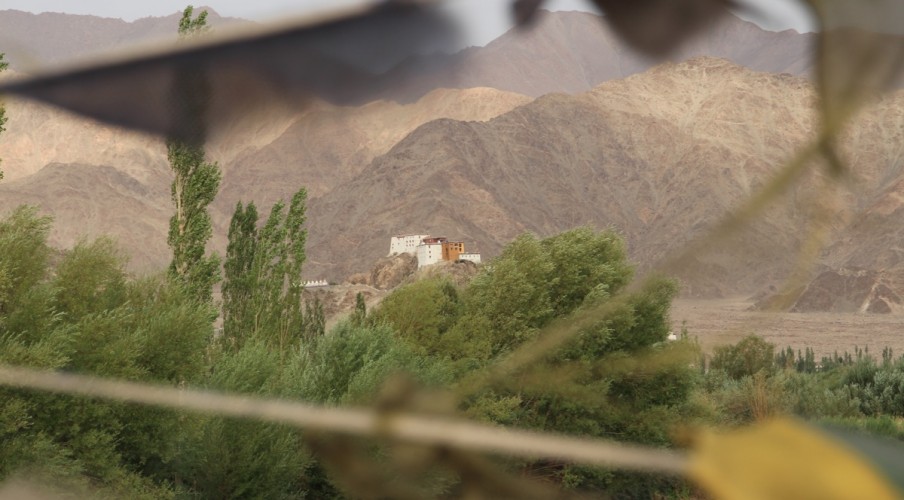
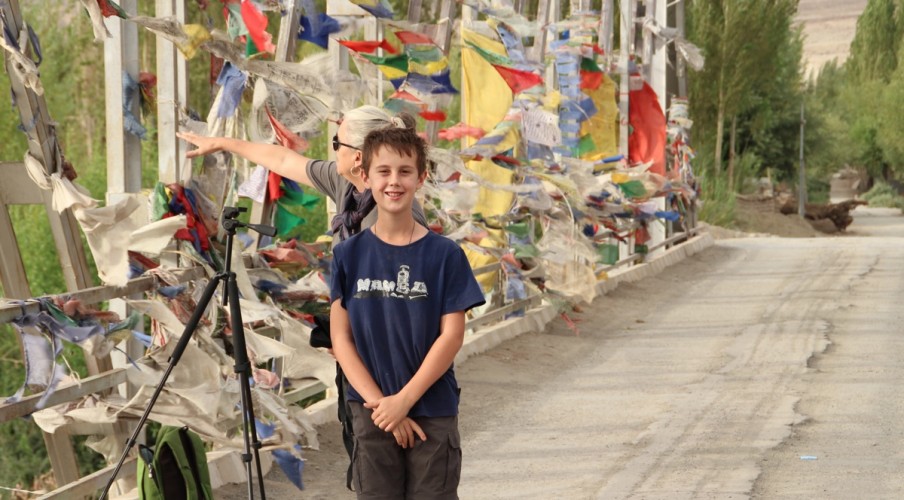
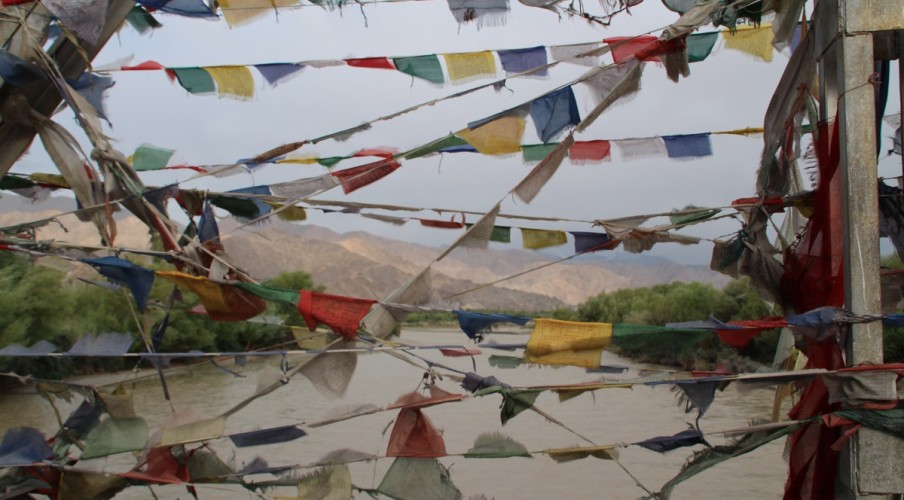
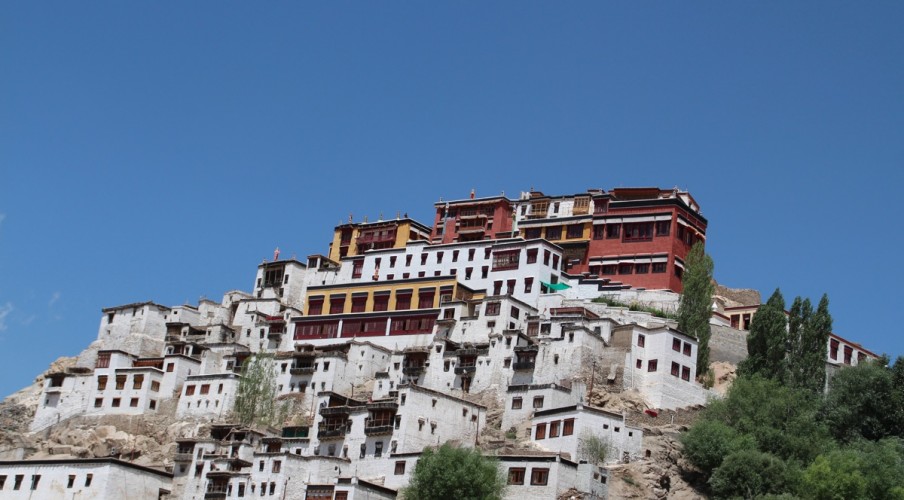
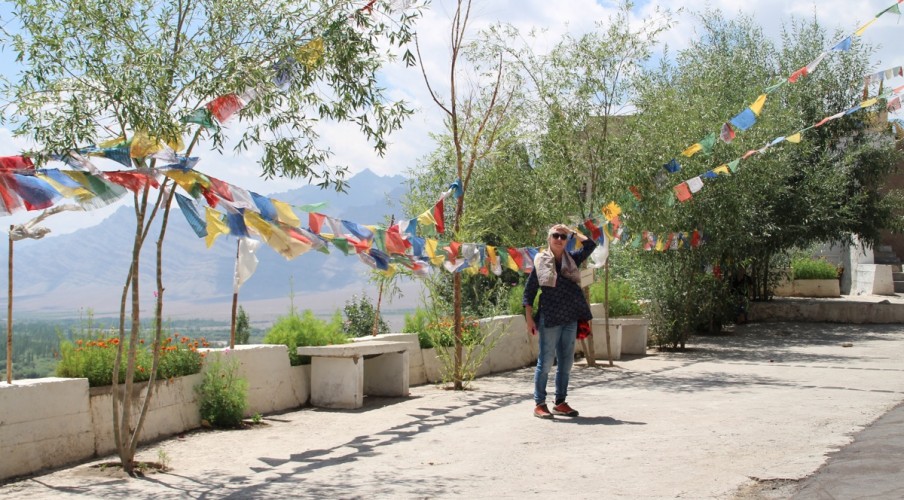
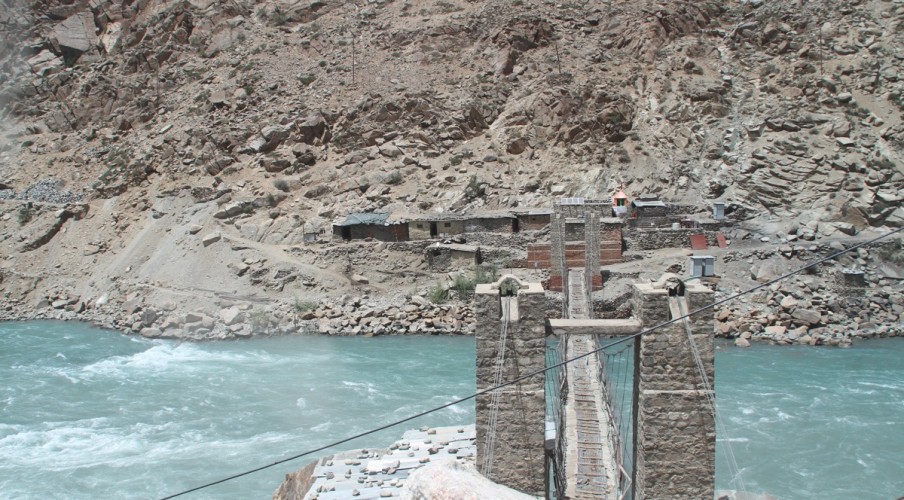
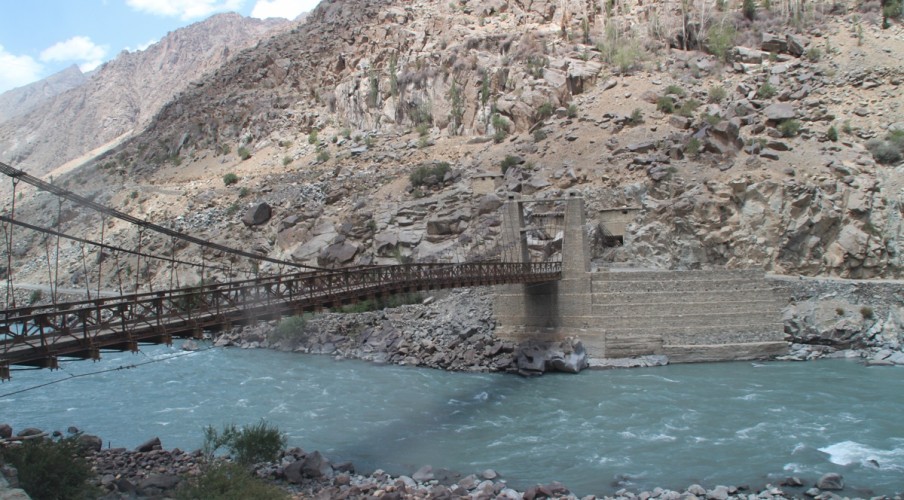
Some afternoons we take a walk up the road that runs to Chushot, though we are yet to actually made it to the town.  So far, our end point is the bridge across the Indus from where we can look south to the beautiful Thikse Gompa and enjoy the sound of the wind over the prayer flags.

The bridge and the Indus mark the local divide between Buddhism and Islam.

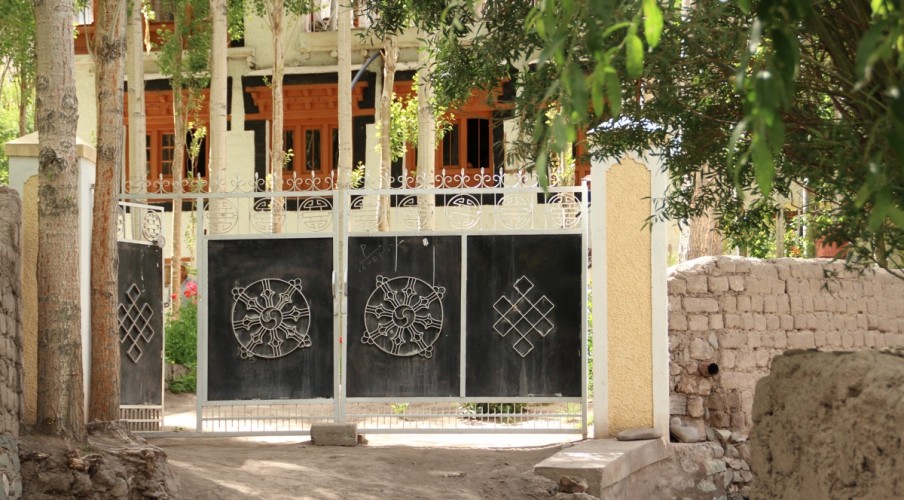
Over the bridge toward Chushot lives a very old community of Shia Muslims that arrived from Baltistan nearly 400 years ago, and who, along with their religious beliefs, brought polo to Ladakh.  They remain fanatical about polo and have the oldest polo ground in the indo-tibetan range (pics to come).

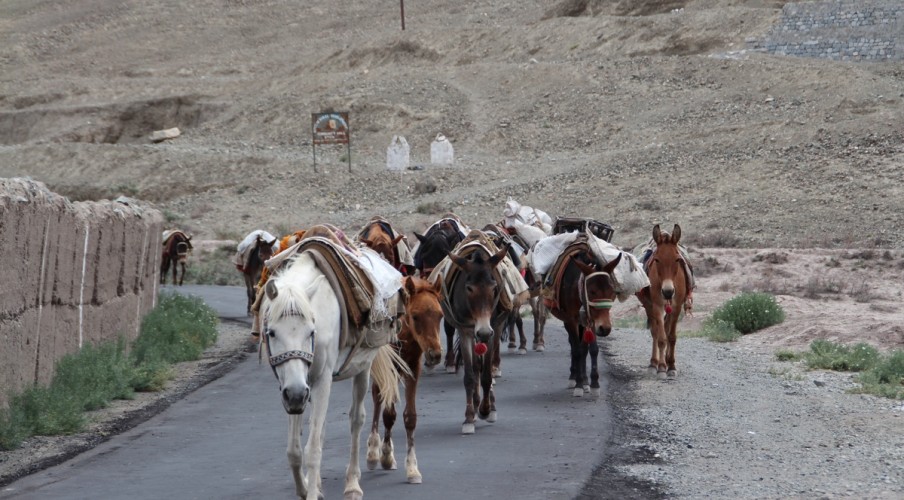
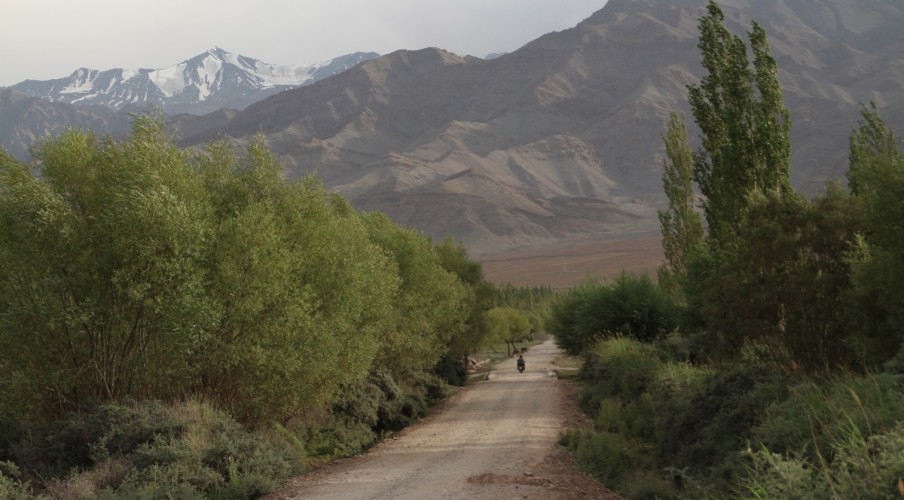
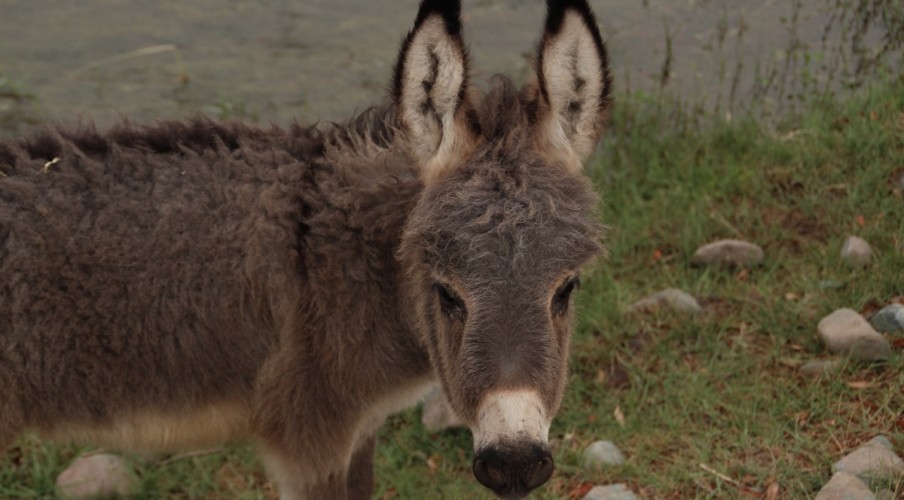
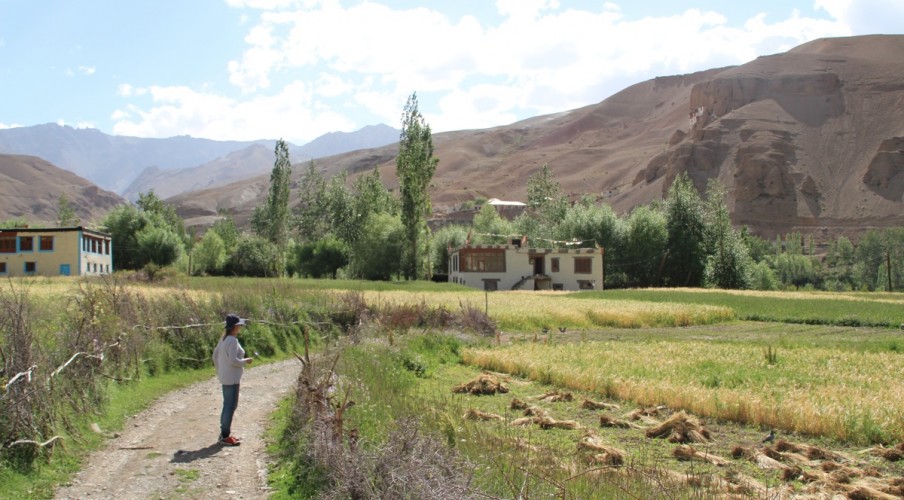
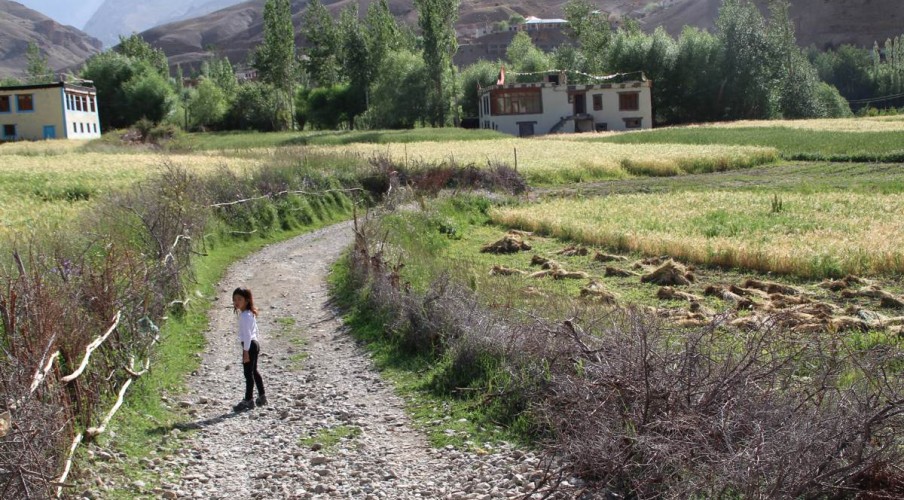
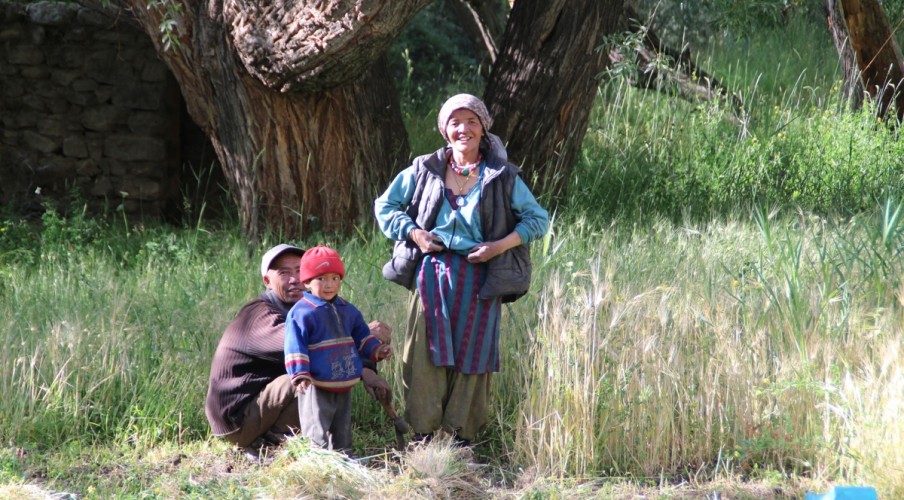
Every person we meet smiles and calls out Julay! Julay! … hello hello welcome!  Indeed, we feel very welcome, and it makes for a very enjoyable stroll through groves of poplars, past the toiling Nepalese brick makers and through the small herds of cattle and donkeys (Mei’s favourites).  All around are green barley fields irrigated by intricate channels fed by the silty melt water from the Indus before it flows another 1,500 km through Pakistan.

Leh Town

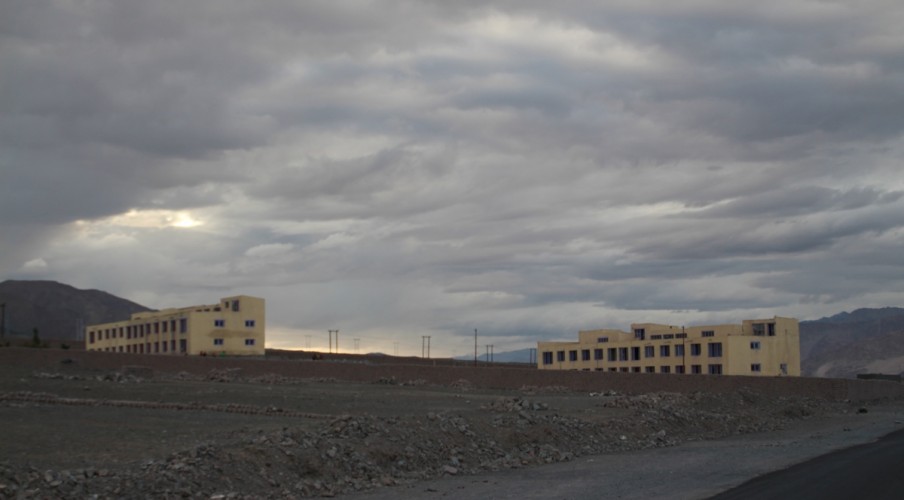
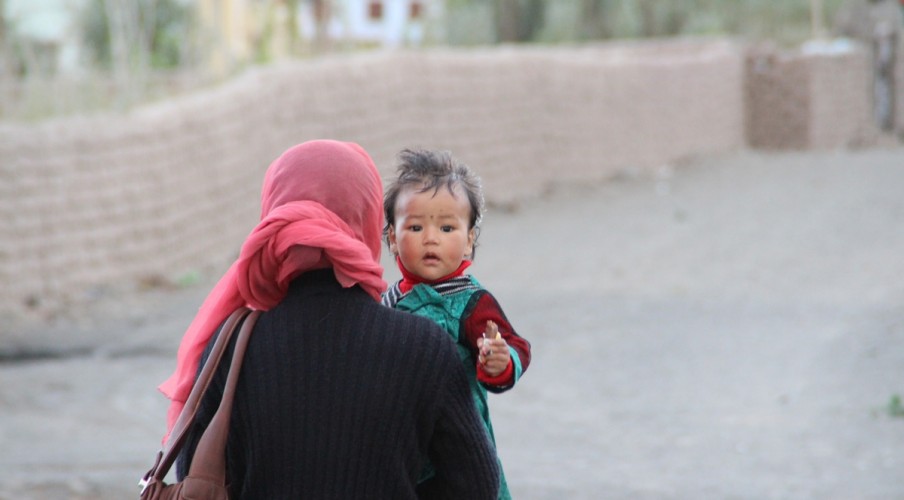
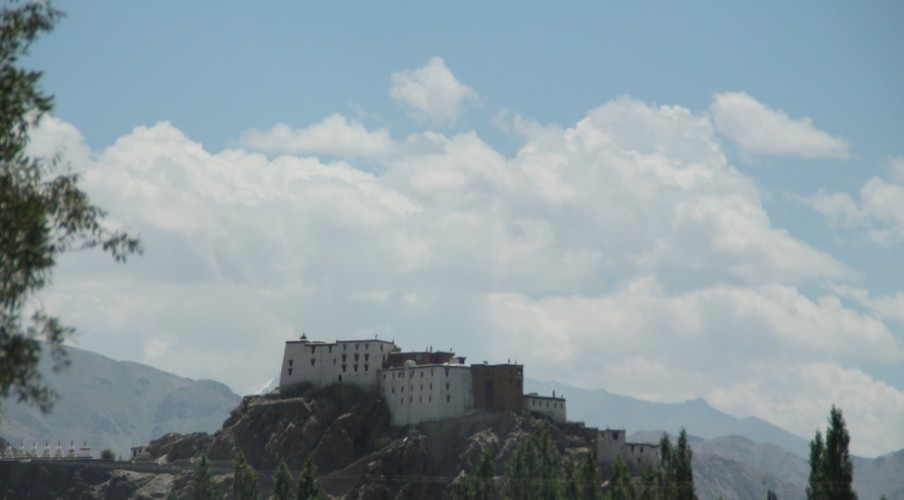
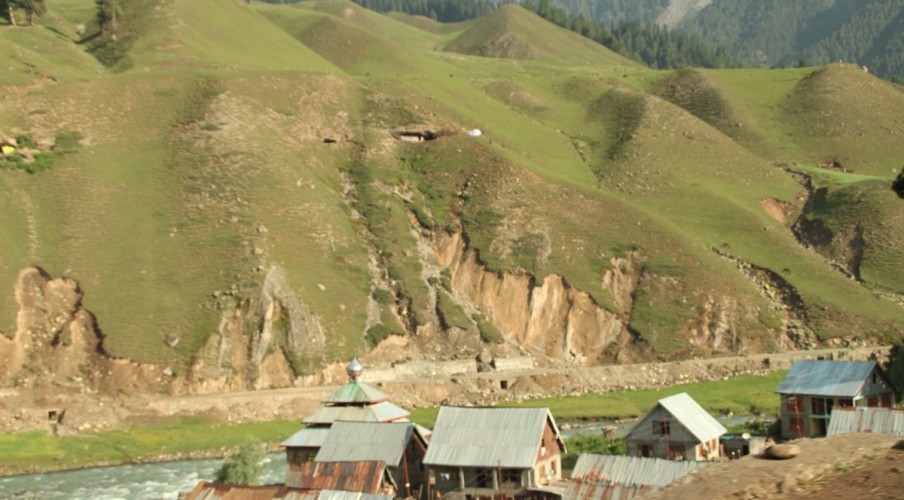
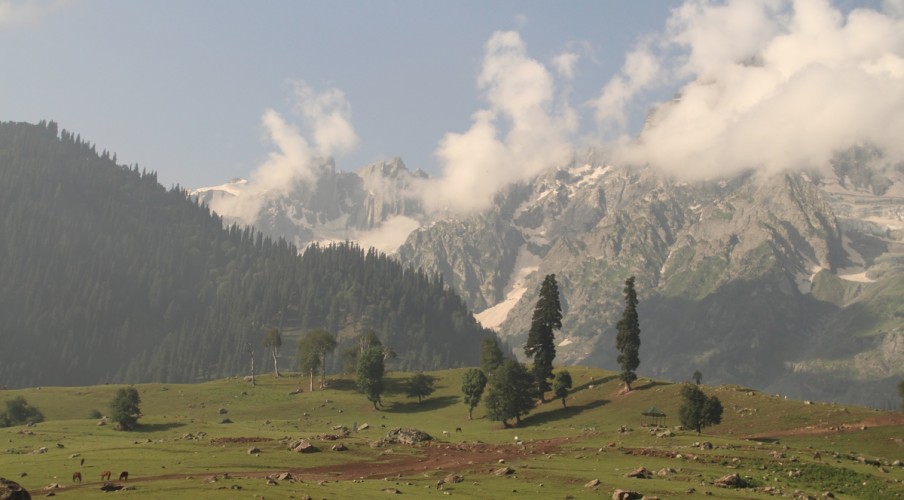
These are some recent random pics from Leh.

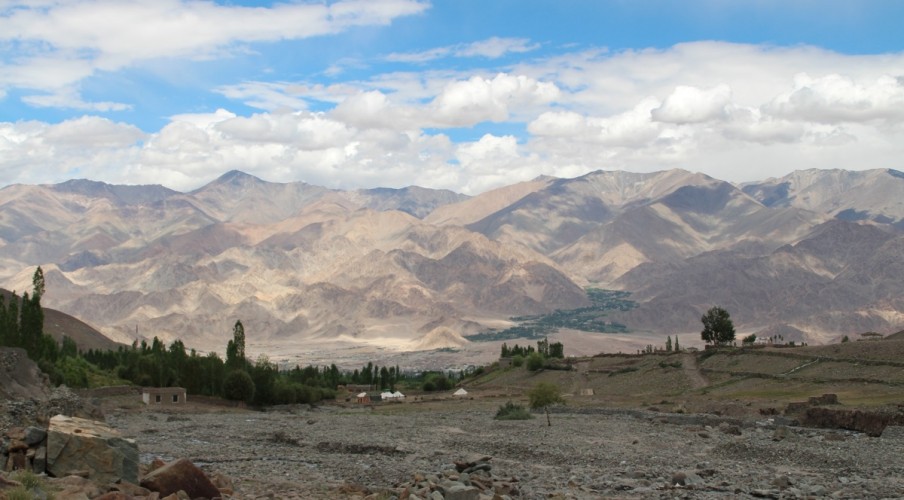
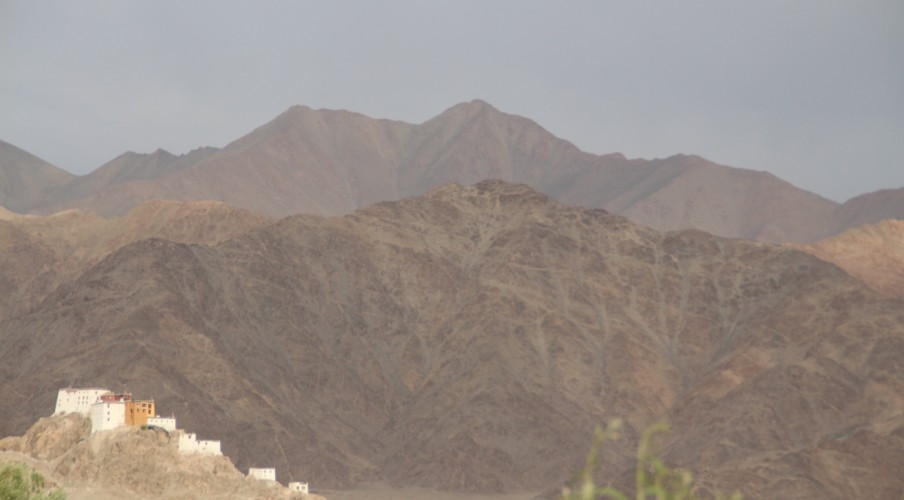
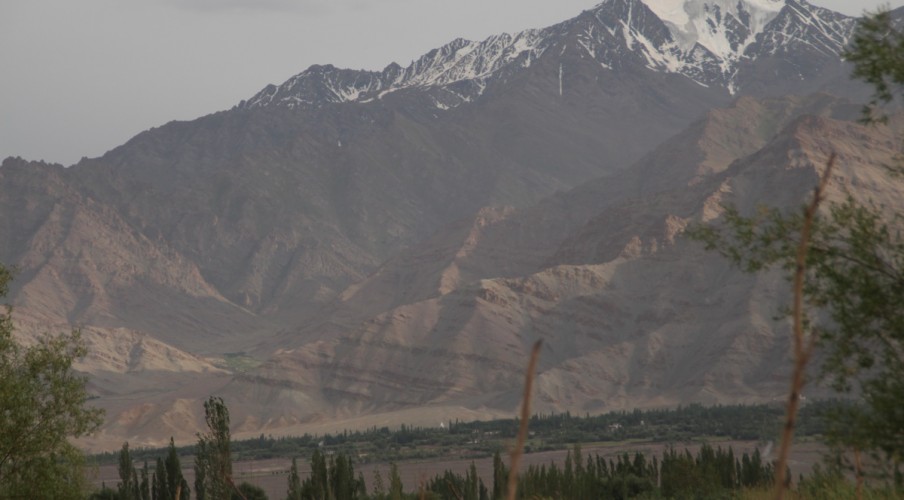
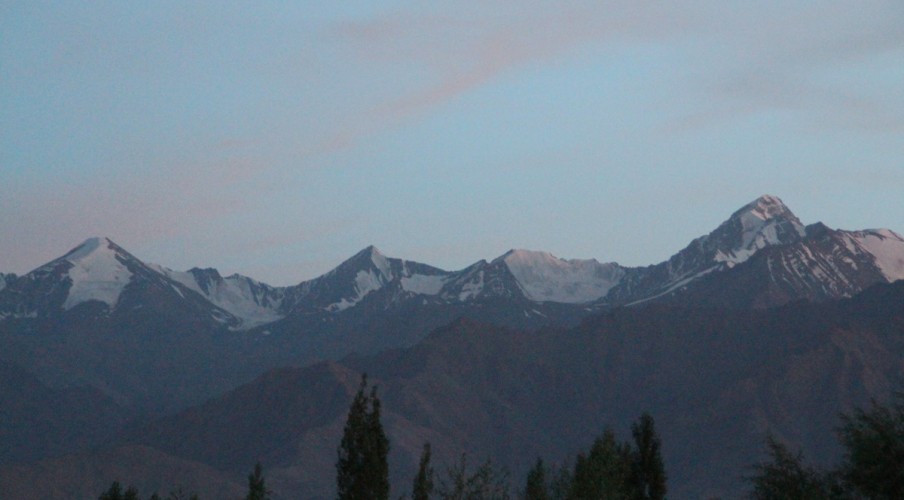
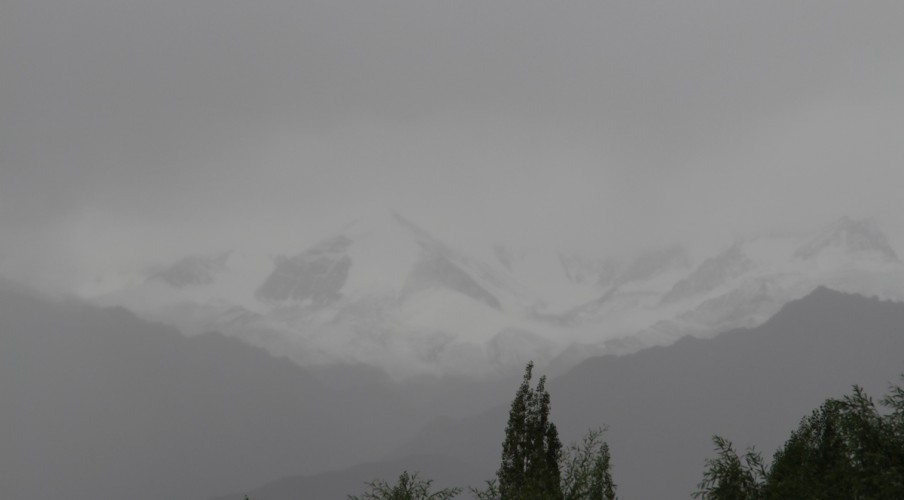
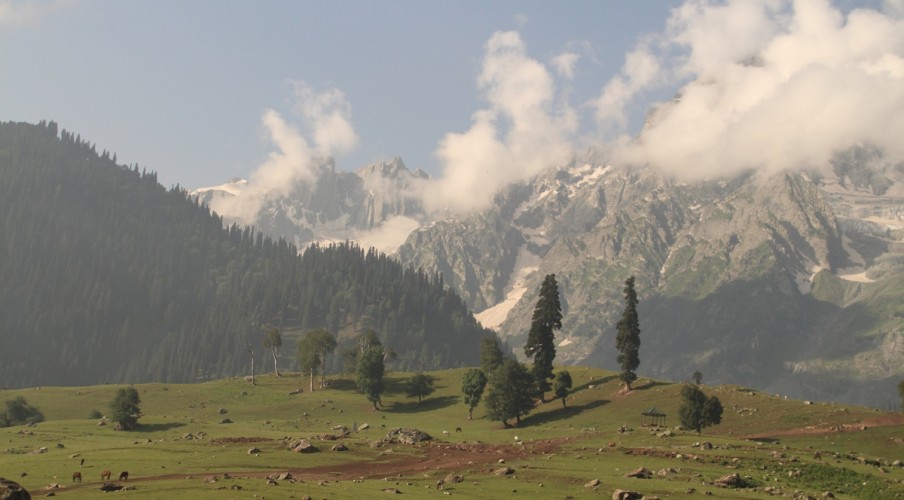
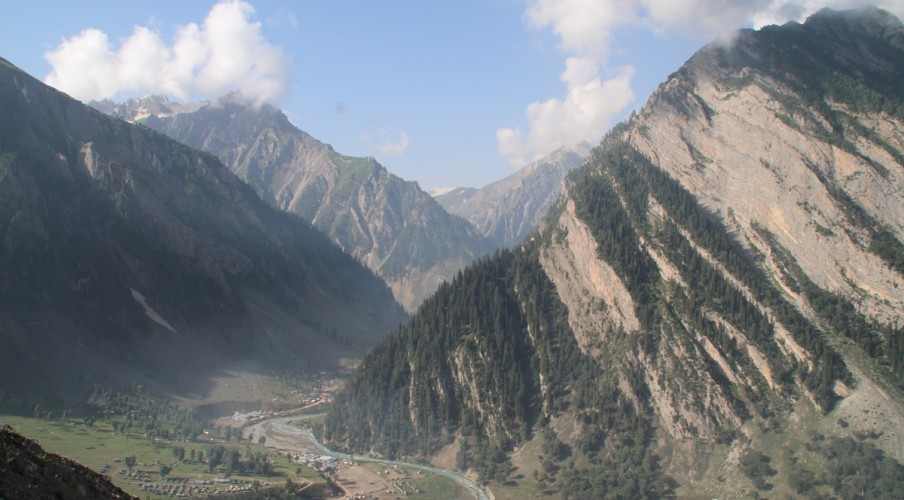
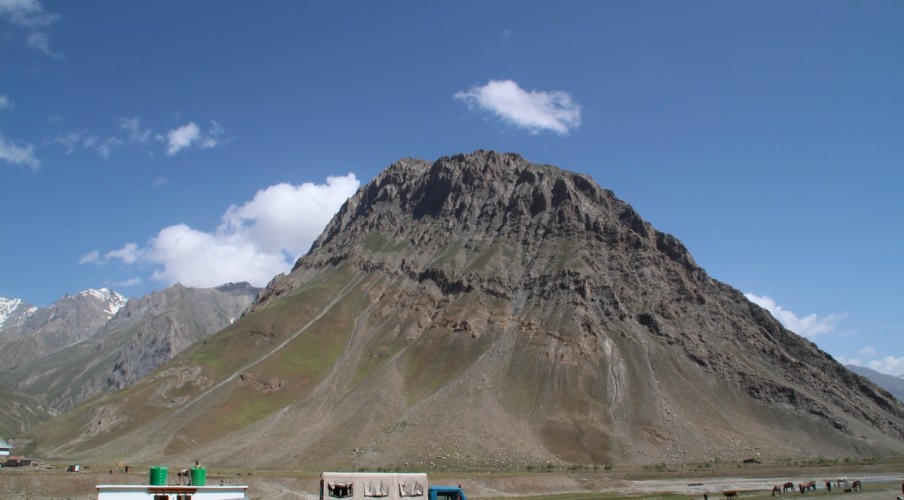
The mountain shots of the Stok ranges are from the window of our room – last night there was a big snow fall on the range, and in a few months Leh will be under a few feet of it and all the adventure tourists will have left …

Posting pics is easy, getting the time for writing not so, but at the home stay there will be more time, less distractions.


Post-Srinagar Snaps